





The Problem with Liquid Sugar
Many of us have experienced it: a breakfast high in sugar leads to a brief energy surge, followed by a slump that leaves you feeling tired, unfocused, and craving more snacks well before lunchtime. Sugary breakfast drinks and even 100% fruit juices are
common culprits. When you drink your fruit, you’re consuming a concentrated dose of sugar without the components that help your body manage it. Think about it: you can drink the juice of three or four oranges in a minute, but you likely wouldn't eat four whole oranges in one sitting. This flood of liquid sugar hits your bloodstream rapidly, causing a sharp spike in blood glucose. Your body then releases a wave of insulin to manage the spike, which often leads to an overcorrection, causing your blood sugar to crash. This is the rollercoaster that leaves you feeling drained and reaching for another quick fix.
Whole Fruit’s Secret Weapon: The Food Matrix
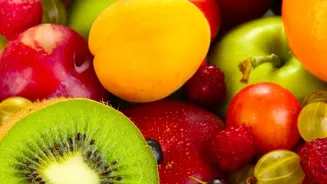
So, why is eating a whole apple completely different from drinking apple juice? The answer lies in something scientists call the 'food matrix'. This refers to the physical structure of a food, where nutrients are packaged together within cells, surrounded by fiber, water, and other compounds. In whole fruit, the natural sugars are 'locked in' this matrix. The most important part of this structure is fiber. Fiber acts as a natural braking system, slowing down digestion and the absorption of sugar into the bloodstream. When a fruit is juiced, this entire structure is destroyed, and the protective fiber is removed. Without the fiber, you're left with 'free sugars' that are absorbed almost instantly, much like the sugar in a soda. The fiber in whole fruit not only prevents this rapid spike but also helps you feel fuller for longer, reducing overall calorie intake.
Beyond Fiber: The Whole-Package Benefits
The benefits of choosing whole fruit don’t stop at fiber and blood sugar control. The pulp and skin of fruits, which are often discarded during juicing, are packed with essential vitamins, minerals, and powerful antioxidants like flavonoids. These compounds have anti-inflammatory properties and support overall health. Chewing whole fruit also plays a role. The physical act of chewing sends signals to your brain that you are eating and helps promote feelings of satiety, something that a quickly consumed drink can’t replicate. This combination of fiber, nutrients, and the simple act of eating makes whole fruit a superior choice for both immediate energy regulation and long-term health. Studies have consistently shown that regular consumption of whole fruits is linked to a lower risk of type 2 diabetes, whereas higher juice intake is associated with an increased risk.
Quick Breakfasts for a Steady Day
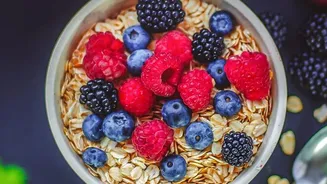
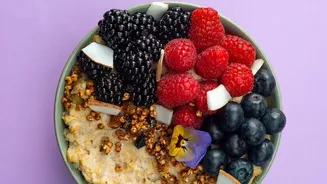
Building a breakfast that ensures steady blood sugar is easier than you think. The goal is to combine fiber-rich whole fruits with protein and healthy fats. This trio works together to slow digestion and provide sustained energy. Here are a few simple, quick ideas: 1. Greek Yogurt with Berries and Nuts: Full-fat Greek yogurt provides a strong protein base. Top it with a handful of berries (like blueberries or raspberries, which are low on the glycemic index) and a sprinkle of almonds or walnuts for healthy fats and extra fiber. 2. Oatmeal with Sliced Apple and Cinnamon: Opt for steel-cut or rolled oats over instant varieties, as they are less processed and have more fiber. Cook them and top with slices of a whole apple (skin on) and a dash of cinnamon. A spoonful of nut butter can add a protein and fat boost. 3. Protein Smoothie with Whole Fruit: If you love a drinkable breakfast, make a smoothie that keeps the fiber intact. Blend a whole banana or a cup of berries with a scoop of protein powder, a spoonful of chia seeds (for more fiber), and unsweetened almond milk or water. Unlike juice, a blender retains all the fruit's beneficial fiber.