





The Core Difference: Sitting vs. Standing
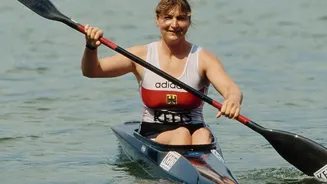
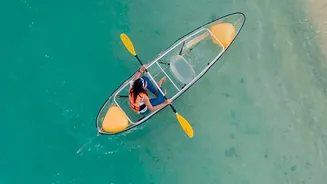
The most significant factor influencing balance is your body position. In a kayak, you are seated, which places your center of gravity very low to the water. This seated posture inherently creates a more stable platform, making it feel more secure for most beginners
right from the start. A stand-up paddleboard, by contrast, requires you to stand, raising your center of gravity significantly higher. This elevated position means you must actively engage your core and leg muscles to maintain balance, a skill that can take some practice to develop.
Kayak Stability Explained
Kayaks are designed for stability, although this varies by model. Recreational kayaks, which are best for beginners, are typically wide with flat bottoms. This design maximizes what’s known as 'primary stability', which is the secure feeling you get when the boat is flat on calm water. While it's possible to tip a kayak, these wider models are quite forgiving. Narrower kayaks, designed for touring or speed, trade some of this initial stability for 'secondary stability', which is the boat’s ability to resist capsizing when tilted on its edge in rougher water. For a beginner on a calm lake, however, the initial stability of a recreational kayak is often confidence-inspiring.
The Paddleboard Balance Challenge
Stand-up paddleboarding is a full-body workout precisely because it constantly challenges your balance. Your body must make continuous micro-adjustments to stay upright, especially in response to small waves or wind. The board's stability is determined by its width, volume, and construction. Wider boards are more stable and recommended for beginners. The learning process often involves starting on your knees to get a feel for the board before progressing to a standing position. While falling in is a normal part of learning, mastering your balance on a SUP is a rewarding achievement.
How the Paddle Helps You Balance
In both sports, the paddle is more than just a tool for propulsion; it’s also a key instrument for balance. In kayaking, the double-bladed paddle can be used for bracing. If you feel the kayak start to tip, a quick slap of the paddle blade on the water's surface can often provide enough support to regain your balance. For paddleboarders, the single-bladed paddle acts like a third leg. Keeping the paddle in the water provides an extra point of contact and stability. Many instructors advise that when you feel tippy on a SUP, the best thing to do is to take a paddle stroke, as forward momentum increases stability, much like riding a bicycle.
Which Is Easier to Learn?
For the vast majority of beginners concerned purely with balance, kayaking is easier to pick up. The low center of gravity and the secure feeling of being seated mean most people can get in and start paddling with minimal instruction and a low risk of falling in. Stand-up paddleboarding has a slightly steeper initial learning curve due to the balance required to stand. However, many people are able to stand and paddle within their first hour on the water, especially on a wide, stable board in calm conditions. The choice often comes down to personal preference: do you want immediate stability or a new fitness challenge?
First-Timer Tips for Staying Upright
For either activity, a few key principles will help. In a kayak, keep your upper body upright but your hips relaxed, allowing the boat to move with the water underneath you. Keep your eyes on the horizon, not down at your boat, to help orient your body. For paddleboarding, stand with your feet parallel and about hip-width apart in the center of the board, usually near the carry handle. Keep a slight bend in your knees, engage your core, and look toward the horizon. Relax and try not to make sudden, jerky movements. If you start to lose balance, get low by bending your knees or dropping back down to a kneeling position.