





An Ocean World Far From Home
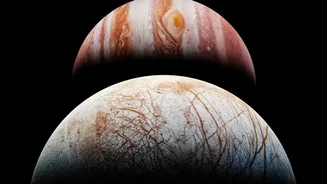
For decades, Europa has been a top contender in the search for life beyond Earth. It's an icy world, slightly smaller than our own moon, but evidence strongly suggests it isn't frozen solid. Data from previous missions, like Galileo, hinted that a global
ocean of liquid saltwater, potentially containing twice as much water as all of Earth's oceans combined, is sloshing beneath its icy crust. This makes Europa one of the most compelling places in our solar system to investigate for habitability. The three ingredients for life as we know it are liquid water, the right chemical elements, and a source of energy. Scientists suspect Europa may have all three, but first, they need to confirm the ocean is really there.
NASA's Interplanetary Detective
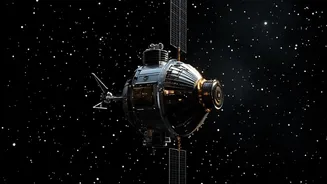
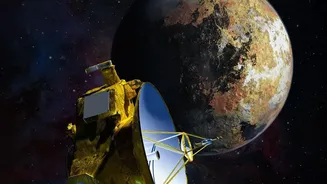
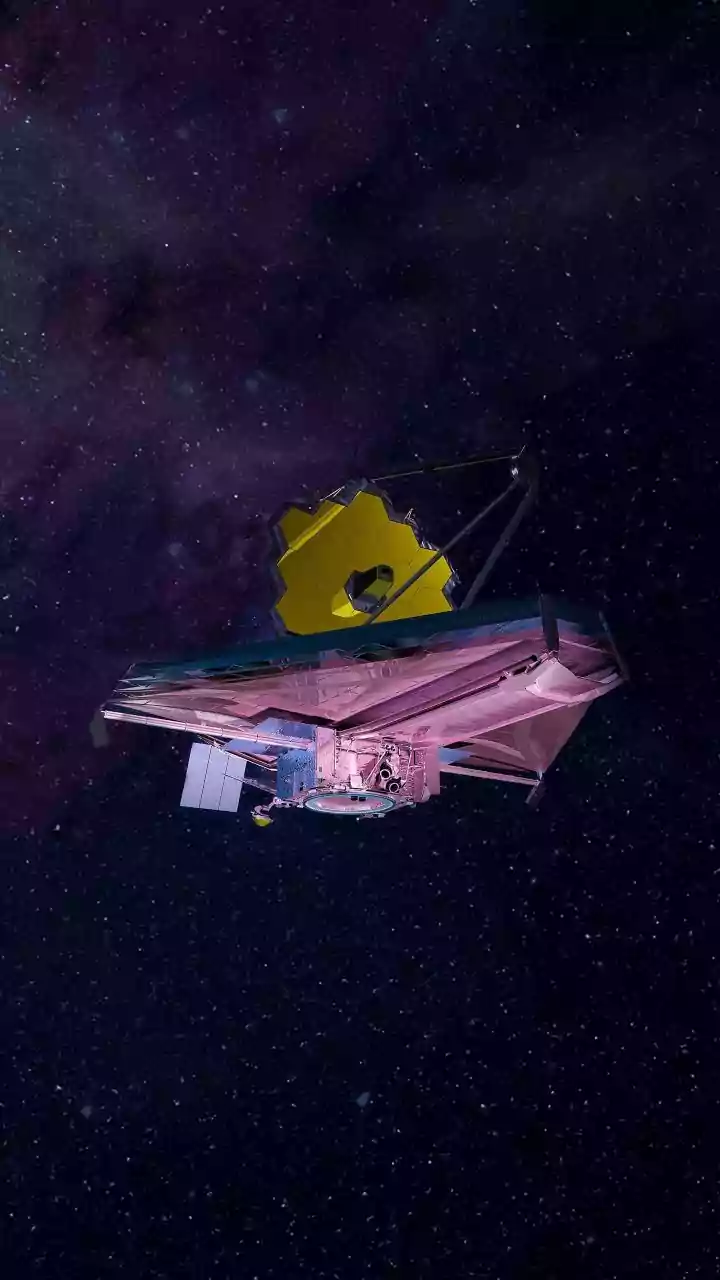
Enter the Europa Clipper, one of the most sophisticated interplanetary spacecraft ever built by NASA. Launched in October 2024, this impressive probe is currently on a multi-year journey to the Jupiter system, scheduled to arrive in April 2030. Its path includes clever gravity-assist flybys of Mars in 2025 and Earth in December 2026 to build up speed for its long trek. Instead of orbiting Europa directly, which would expose it to Jupiter's intense and damaging radiation, Clipper will make dozens of close flybys of the moon from a long, looping orbit around Jupiter itself. During these brief, daring passes, its suite of powerful science instruments will gather immense amounts of data, effectively performing a detailed reconnaissance of this mysterious world.
The Key: Jupiter's Giant Magnetic Field
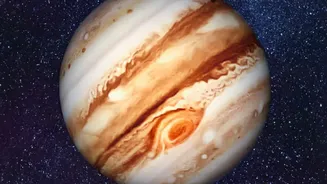
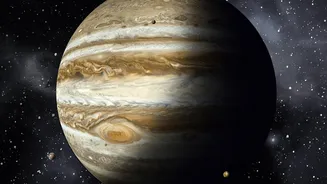
The secret to Clipper's investigation lies not on Europa, but with its parent planet. Jupiter has the most powerful magnetic field of any planet in our solar system, which spins along with the planet's rapid 10-hour rotation. As this immense magnetic field sweeps across Europa, it's constantly changing from the moon's perspective. This is where a fundamental principle of physics comes into play: Faraday's law of induction. It states that a changing magnetic field will create an electrical current in a nearby conductor. Think of it like a massive, planetary-scale wireless charger.
Making Its Own Magnetic Signature
If Europa is just a solid ball of ice and rock, not much will happen. But if it has a global ocean of salty water, that ocean is an excellent electrical conductor. As Jupiter's magnetic field washes over Europa, it would generate a weak electrical current flowing through this hidden ocean. This electrical current, in turn, creates its own secondary magnetic field—an "induced" magnetic field. This induced field is the smoking gun. Its presence and specific characteristics would be undeniable evidence of a large, conductive layer beneath the ice. The strength of this induced field can even tell scientists about the ocean's depth and how salty it is, which are crucial factors for potential habitability.
Clipper's Most Sensitive Instrument
To detect this faint magnetic whisper, Europa Clipper is equipped with a highly sensitive instrument called the Europa Clipper Magnetometer (ECM). The instrument's three sensors are not on the main body of the spacecraft, where electrical systems could interfere with the readings. Instead, they are placed along an 8.5-meter-long boom that extends out from the spacecraft, ensuring they get a clean measurement. As Clipper swoops past Europa, the ECM will measure the magnetic field with incredible precision. Scientists will then subtract Jupiter's powerful primary field from the data. If a weak, variable magnetic field remains that changes in sync with Europa's position, they will have found the ocean. Another instrument, the Plasma Instrument for Magnetic Sounding (PIMS), will help by measuring the charged particles around Europa to ensure the team can isolate the ocean's signal from any other interference.