





Beyond the Daily 'Kaapi'
For generations, long before coffee plantations dotted the hills of Karnataka and Tamil Nadu, households relied on a different kind of daily brew. Known generically as 'kashayam' and by specific names like 'Sukku Malli Kaapi' or 'Chukku Kaapi', these
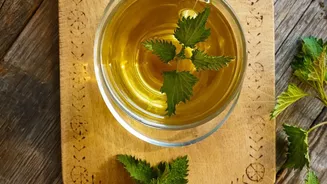
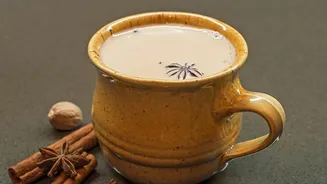
drinks are caffeine-free herbal decoctions. Unlike coffee, which is built around a single bean, these beverages are complex blends of spices and herbs. The term 'kaapi' or 'coffee' is often used colloquially, but it's a misnomer; these are not coffee-based drinks but rather spice-infused teas that represent a direct connection to the region's flora. Their purpose was twofold: providing comfort and delivering targeted wellness benefits derived from local Ayurvedic and Siddha traditions.
The Kitchen as a Pharmacy
The core ingredients of these decoctions read like a list from a traditional spice box, each chosen for its specific properties. The most common combination, 'sukku' (dry ginger) and 'malli' (coriander seeds), forms the base of many brews. To this, other botanicals are added: black pepper, cumin, tulsi (holy basil), and cardamom, each contributing to the drink's flavour and function. Dry ginger and pepper are valued for their warming qualities, believed to soothe sore throats and relieve congestion, making 'Chukku Kaapi' a staple during monsoon season. Coriander seeds and cumin are known to aid digestion, settling the stomach and reducing inflammation. Sweetened not with sugar but with palm jaggery, which brings its own mineral-rich profile, these drinks are a form of 'kitchen medicine'—a daily ritual designed to maintain balance and health.
Coffee's Celebrated, Yet Different, Story
In contrast, the story of coffee in South India, while rich and culturally significant, is one of introduction and adoption. The popular narrative credits the Sufi saint Baba Budan with bringing seven coffee beans from Yemen to the hills of Chikmagalur in the 17th century. However, it was during the British colonial era that coffee cultivation expanded dramatically, establishing the sprawling plantations in regions like Coorg, the Nilgiris, and Wayanad primarily for export. The iconic filter coffee, often blended with chicory, became a household staple much later, solidifying its place in the culture in the 20th century. While filter coffee is undeniably a treasured part of South Indian identity today, its history is tied to global trade routes and colonial enterprise, distinct from the indigenous, wellness-focused roots of herbal kashayams.
A Modern Renaissance of Ancient Wisdom
Today, these heritage decoctions are experiencing a quiet renaissance. As global wellness trends pivot towards natural ingredients, caffeine-free alternatives, and authentic traditions, drinks like 'Sukku Malli Kaapi' are being rediscovered by a new generation. They offer a tangible link to a past where wellness was woven into daily life and the local landscape provided everything a family needed. These drinks are more than just a substitute for coffee; they are a direct sip of regional history. They represent a system of knowledge passed down through generations, where the properties of each root and seed were understood and respected. In a world of fleeting trends, the enduring appeal of these spiced herbal brews lies in their simplicity, efficacy, and profound connection to place.