




A Perfect Contrast of Flavours
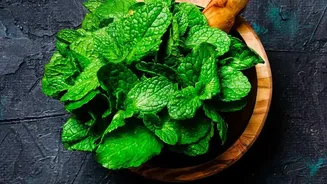
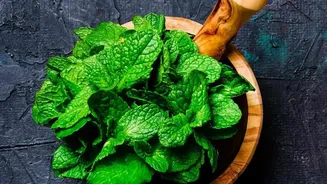
At its core, the success of the mint and cumin pairing comes down to the principle of contrast. Mint, or 'pudina', offers a fresh, cooling, and slightly sweet flavour. This is thanks to its primary compound, menthol, which provides that characteristic
refreshing quality. Cumin, or 'jeera', on the other hand, is warm, earthy, pungent, and nutty. When you roast cumin seeds, they release aromatic oils that deepen this savoury profile. Together, they create a beautifully balanced experience for the palate: the coolness of the mint cuts through richness and spice, while the warmth of the cumin provides an earthy, grounding base. This dynamic interplay prevents dishes from feeling too heavy or one-dimensional.
A Digestive Powerhouse
Beyond just flavour, the combination holds significant value in Ayurveda, India's traditional system of medicine. Both mint and cumin are celebrated for their digestive properties. Mint is known to be a cooling herb that can soothe the stomach, aid digestion, and help with issues like gas and indigestion. Cumin is considered a 'deepana' and 'pachana' herb in Ayurveda, meaning it helps kindle the digestive fire ('agni') and supports the healthy processing of food. In a cuisine that is often rich and complexly spiced, using ingredients that also support digestive wellness is a stroke of genius. This pairing helps to balance the body's response to a meal, making it not just tastier but also more comfortable to digest.
The Heart of Countless Dishes
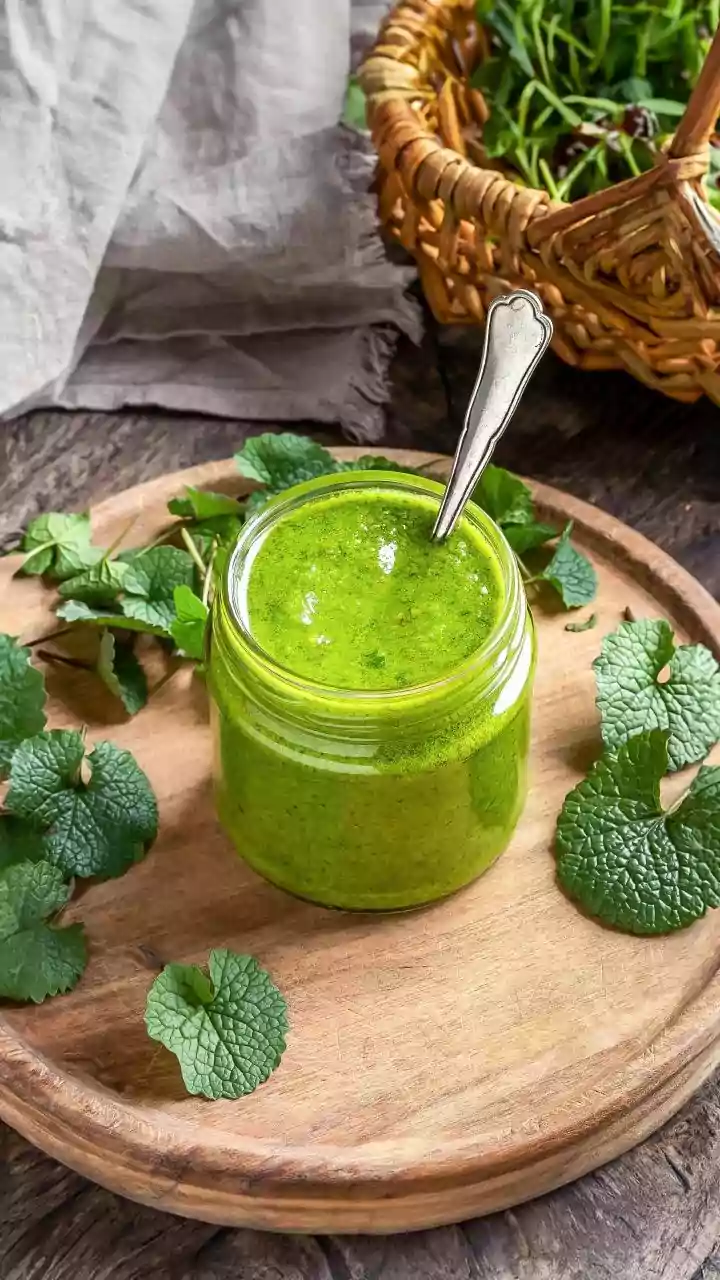
The versatility of mint and cumin is evident across the length and breadth of Indian cuisine. The most classic example is the ubiquitous mint-coriander chutney, where roasted cumin powder adds a smoky depth to the fresh herbs. Another staple is mint raita, a yogurt-based dip that is the perfect cooling accompaniment to a spicy biryani or rich kebabs. The pairing is essential in drinks like 'jaljeera', a tangy and spiced summer cooler designed to whet the appetite and aid digestion. It also forms the flavour base for marinades for paneer and chicken tikkas, and can be found in potato curries ('pudina aloo'), where the mint paste and cumin seeds create a uniquely refreshing yet hearty dish.
How to Use Mint and Cumin
Incorporating this duo into your own cooking is simple. For the most potent flavour, it is always best to dry roast your own cumin seeds in a hot pan until they become fragrant and slightly darker, then grind them into a powder. Fresh mint leaves will always provide a brighter, more vibrant flavour than dried ones. A simple mint-cumin yogurt dip can be made by mixing chopped fresh mint, roasted cumin powder, and a pinch of salt into thick yogurt. This can be served with everything from vegetable sticks to pakoras. You can also create a simple spiced tea by steeping fresh mint leaves and a few crushed cumin seeds in hot water for a soothing, digestive beverage.