



What Exactly Is Being Proposed?
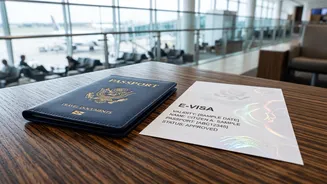
At the 23rd India-ASEAN Summit in Manila, Philippines, Prime Minister Narendra Modi announced the proposal to offer free e-visas to tourists from the Association of Southeast Asian Nations (ASEAN). It's important to note that this is a waiver of the visa fee,
not an introduction of visa-free travel. Travellers would still need to apply for an e-visa online through the official portal, but the government processing charge, which can range from $10 to over $200 depending on the visa's duration and nationality, would be eliminated. While an official start date has not been announced, the move aims to streamline and harmonise the visa process for the entire ASEAN bloc.
Why the Focus on ASEAN Countries?
The ASEAN bloc, comprising Brunei, Cambodia, Indonesia, Laos, Malaysia, Myanmar, the Philippines, Singapore, Thailand, Timor-Leste, and Vietnam, is a cornerstone of India's 'Act East' foreign policy. This policy focuses on strengthening economic, strategic, and cultural relationships with nations to India's east. The proposal is about more than just tourism; it's a strategic move to enhance people-to-people connectivity, a key pillar of the Act East policy. With a combined population representing nearly a quarter of the world, fostering goodwill and easier travel with ASEAN is a major diplomatic and economic priority for India. In 2025 alone, India welcomed over 800,000 visitors from the region, indicating a strong existing travel corridor that this policy aims to expand.
Harmonising an Existing System
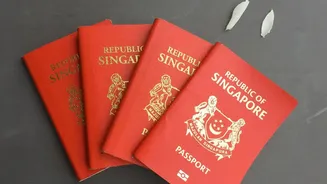
The proposal also serves to standardise a system that already offers perks to some ASEAN members. Currently, several ASEAN countries enjoy partial or full fee waivers. For instance, citizens of Indonesia and Myanmar already receive free e-tourist visas for various durations. Travellers from Malaysia, the Philippines, and Thailand get free 30-day e-visas but pay for longer stays. However, citizens from Brunei, Cambodia, Laos, Singapore, Timor-Leste, and Vietnam currently pay fees for most e-visa categories. The new proposal would extend the fee waiver to all 11 member states, creating a unified and more generous policy across the entire bloc.
The Expected Economic and Cultural Impact
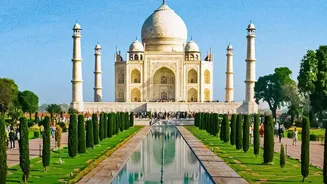
Removing the visa fee is expected to provide a significant boost to India's tourism sector. Lowering travel costs makes India a more competitive destination compared to other countries in the region that are also using visa waivers to attract tourists. This can lead to increased arrivals, benefiting hotels, tour operators, transport services, and local artisans. The move is particularly significant for promoting niche tourism sectors like the Buddhist circuit, which is a major draw for travellers from many Buddhist-majority ASEAN nations. Beyond economics, the policy aims to foster deeper cultural exchange and mutual understanding, strengthening the historical ties between India and Southeast Asia.
Part of a Broader Strategy
This visa fee proposal is one of several initiatives announced at the summit to deepen the India-ASEAN Comprehensive Strategic Partnership. Other proposals included enhanced cooperation in maritime security, cybersecurity training, critical minerals, and space technology, including an 'ASEAN-India Space Hackathon'. The government is also working on simplifying the visa application form itself, aiming to make the entire process more user-friendly for all international visitors. These coordinated efforts signal India's long-term commitment to making the country not only a strategic partner but also a more accessible and welcoming destination for its eastern neighbours.