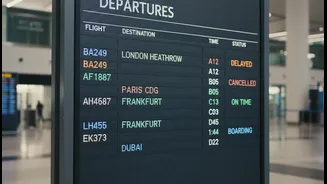







The Foundation: India's Passenger Charter
In India, passenger rights are not just airline policy; they are mandated by law. The Directorate General of Civil Aviation (DGCA) enforces these rules through a document known as the Civil Aviation Requirements (CAR). Often referred to as the Passenger
Charter, this regulation outlines the specific obligations airlines have towards passengers in cases of flight delays, cancellations, and denied boarding. These rules apply to all airlines operating within, to, and from India. Understanding this framework is the first step to ensuring you receive the care, and sometimes compensation, you are entitled to.
For Shorter Delays: Your Right to Care
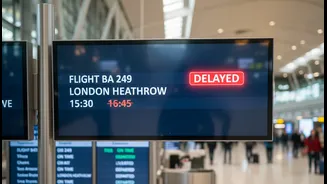
Even a relatively short delay can be an inconvenience. Indian regulations acknowledge this and have tiered entitlements based on the length of the wait. If your flight is delayed by two hours or more, the airline is obligated to provide you with free meals and refreshments at the airport. The specific threshold can vary slightly based on the total block time of your flight, but generally, a two-hour delay triggers this right to care. This isn't a goodwill gesture; it's a mandatory provision. If the airline staff doesn't proactively offer vouchers, you should politely request them, citing your rights under DGCA rules.
Significant Delays: Hotel Stays and Refunds
When a delay stretches longer, your entitlements increase. For a domestic flight delayed by more than six hours, the airline must offer you a choice: a full refund of your ticket or an alternative flight. If a delay pushes your travel into the next day, particularly for flights scheduled between 8 p.m. and 3 a.m. that are delayed by over six hours, the airline must provide free hotel accommodation. This also includes complimentary transport between the airport and the hotel. These provisions are designed to ensure passengers are not left stranded or forced to incur significant out-of-pocket expenses due to extended disruptions.
When Your Flight is Cancelled
A cancellation can be the most disruptive event of all. Your rights in this scenario depend heavily on when you are notified. If the airline informs you of the cancellation less than 24 hours before departure, you are generally entitled to compensation in addition to a full refund or an alternative flight. The compensation amount can range from ₹5,000 to ₹10,000, depending on the flight's scheduled duration. If you are notified between 24 hours and two weeks before departure, you are entitled to an alternative flight or a full refund. Remember, if you opt for a refund, it should be processed within 14 working days.
Denied Boarding: What Happens When Overbooked
Airlines sometimes sell more tickets than available seats, leading to denied boarding. In such cases, the airline must first ask for volunteers to give up their seats in exchange for benefits. If you are involuntarily denied boarding, you are entitled to significant compensation. Under DGCA rules, this can be up to 400% of the one-way base fare plus fuel surcharge, capped at ₹20,000. This is in addition to being provided with an alternative flight. If the airline cannot arrange an alternative flight within one hour of your original departure, the compensation is mandatory.
The Crucial Caveat: Extraordinary Circumstances
It is critical to understand that the rules for monetary compensation often do not apply if the disruption is caused by 'extraordinary circumstances'. These are events beyond the airline's control, such as severe weather, air traffic control restrictions, or political instability. However, even in these situations, the airline's 'duty of care' obligations remain. This means they must still provide you with meals for delays and hotel accommodation for overnight waits, regardless of the reason for the disruption. An airline cannot refuse to provide you with a meal during a long weather delay, for instance.
How to Claim Your Rights
Knowledge is only powerful when applied. If you find yourself in a disruption, first approach the airline's staff at the airport. Keep all your documents, including your boarding pass and any communication from the airline about the delay or cancellation. If the airline does not provide what you are entitled to, you can file a formal complaint directly with them. If that doesn't resolve the issue, you can escalate it to the government's AirSewa portal, which is monitored by the DGCA. For unresolved financial claims, you can also approach a consumer court.