





The Science of 30 Plants
The recommendation to eat 30 different plant foods per week isn't arbitrary; it stems from major findings from the American Gut Project, one of the largest citizen-science studies on the human microbiome. Researchers analyzed the diet and gut bacteria
of thousands of people and discovered a clear pattern: individuals who consumed 30 or more unique plant types weekly had a significantly more diverse gut microbiome than those who ate 10 or fewer. This diversity is crucial. Think of your gut as a thriving internal ecosystem. A wider variety of plants provides food for a wider variety of beneficial microbes. Interestingly, the study found that the sheer number of different plants had a greater impact on gut diversity than following a specific diet like veganism or vegetarianism. This suggests that an omnivore who eats a wide array of plants can have a healthier gut than a vegan who eats the same few foods repeatedly.
Why Gut Diversity Matters for Your Health
A diverse gut microbiome is linked to a cascade of health benefits that extend far beyond digestion. These beneficial bacteria help produce essential compounds called short-chain fatty acids (SCFAs), which reduce inflammation, strengthen the gut lining, and may even lower the risk of certain cancers. Studies associate a rich gut ecosystem with improved immune function, better mood and mental resilience, and a reduced risk of chronic conditions like heart disease and type 2 diabetes. The benefits are comprehensive, influencing everything from how well you absorb nutrients to your body's ability to fight off pathogens. Furthermore, participants in the American Gut Project who ate over 30 plants a week were found to have fewer antibiotic-resistance genes in their gut microbes, a finding with significant public health implications.
What Counts as a 'Plant Point'?
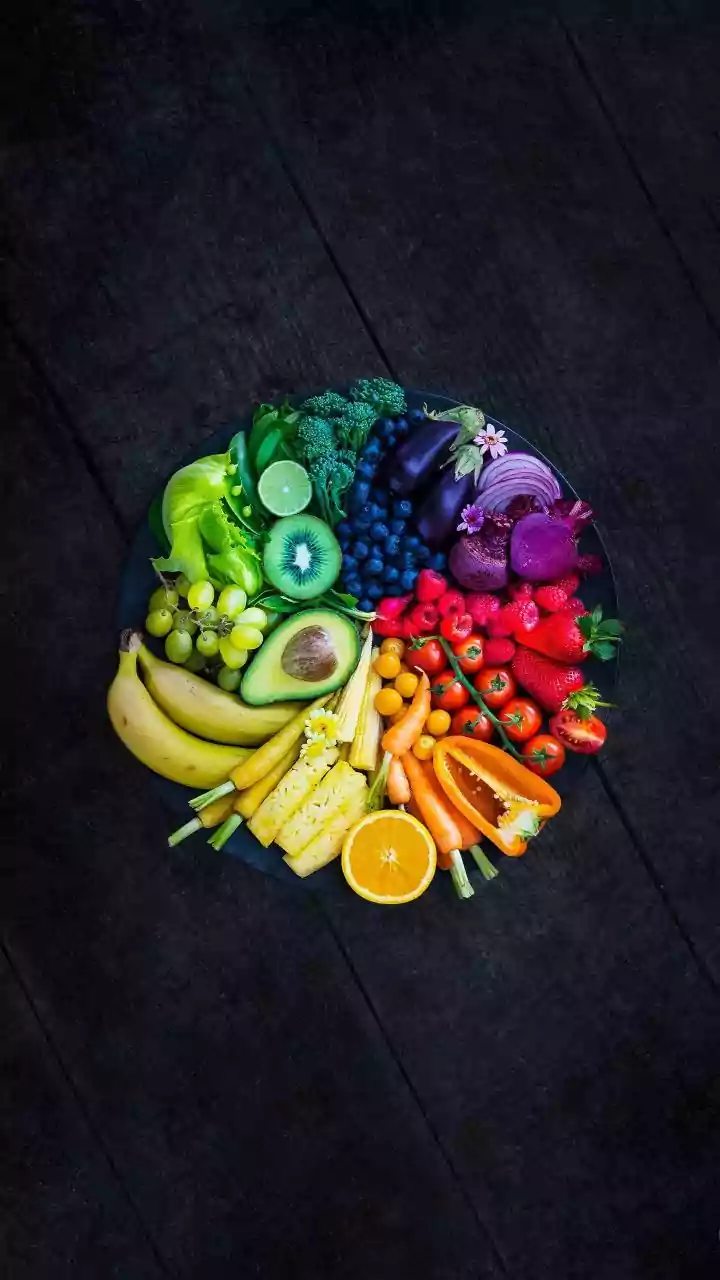
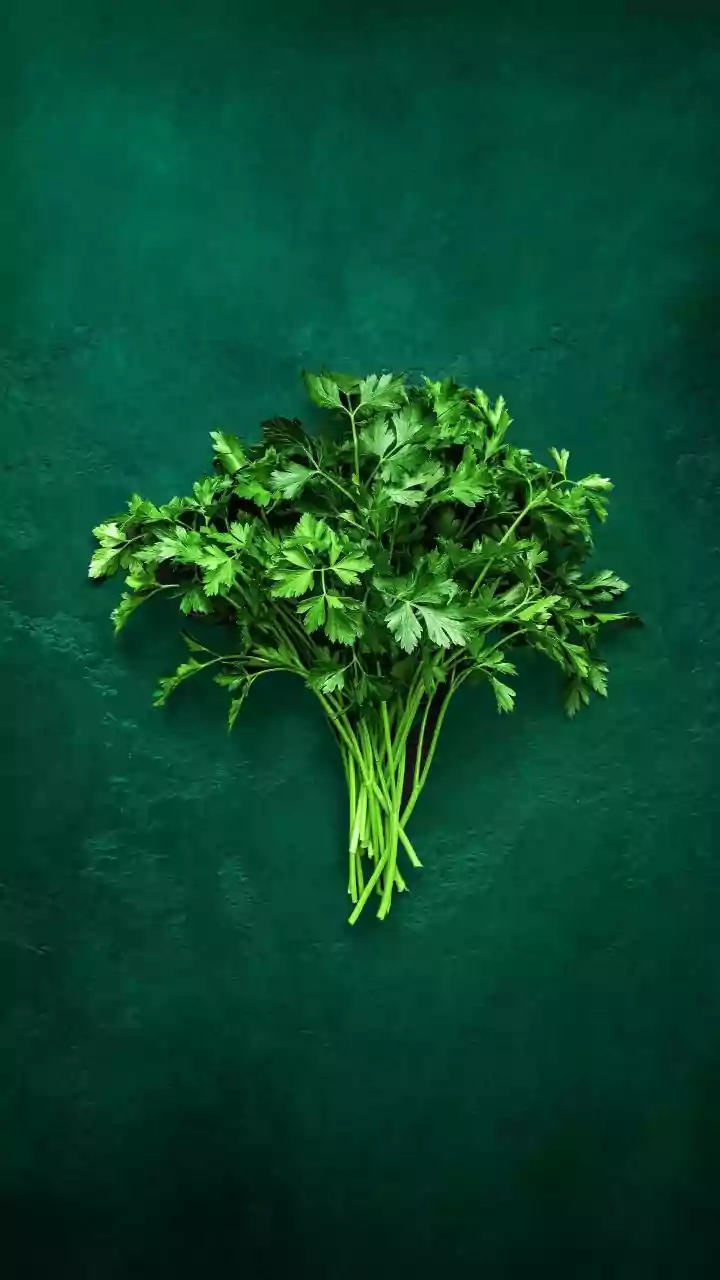
Hitting 30 plants might sound daunting, but the definition is broader than you might think. It’s not just about fruits and vegetables. Each of the following counts as a 'plant point,' making the goal far more achievable. Vegetables: Every different type counts. Palak (spinach), bhindi (okra), baingan (brinjal), and gobi (cauliflower) are four distinct points. Fruits: Apples, bananas, pomegranates, and mangoes each add to your weekly total. Whole Grains: Think beyond just wheat and rice. Oats, bajra (pearl millet), jowar (sorghum), and quinoa all count. Legumes: This is a powerhouse category in Indian cuisine. Every dal, from toor to moong to urad, is a point. Chickpeas (chana), kidney beans (rajma), and black-eyed peas (lobia) also count. Nuts and Seeds: Almonds, walnuts, chia seeds, flax seeds, and sesame seeds are all easy additions. Herbs and Spices: This is the secret weapon. Dhania (coriander), pudina (mint), haldi (turmeric), jeera (cumin), and methi (fenugreek) are all individual plant points that boost flavour and your count.
Easy Ways to Boost Your Plant Diversity
You don't need a complete diet overhaul to reach 30 plants. Small, consistent additions make all the difference. Start by aiming for 20 and building from there. A simple strategy is to add just one new plant-based ingredient to each meal. Sprinkle a mix of toasted seeds over your morning poha or yogurt. For lunch, toss a handful of chickpeas and grated carrots into your salad or sabzi. When making dal, use a mix of two or three different types instead of just one. Keep a small jar of mixed nuts and seeds on your desk for snacking. Instead of buying just one type of green, try a mixed bag of leafy greens for your salads or stir-fries. Explore the vegetable market and pick up one vegetable you don't normally cook with each week. Even small swaps, like adding finely chopped onions, tomatoes, and coriander to your scrambled eggs, can increase your count without much effort. The key is to think 'add, don't restrict.'