


As winter settles across India, the country's national parks transform into magical landscapes. The crisp air, soft morning light, and thinner foliage create the perfect conditions for an unforgettable wildlife safari. Here’s where to go.
Ranthambore National Park, Rajasthan
There's a unique
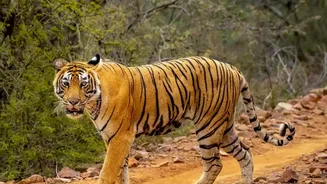
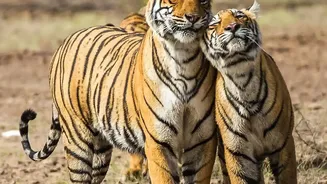
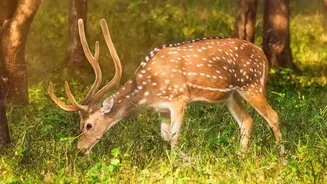
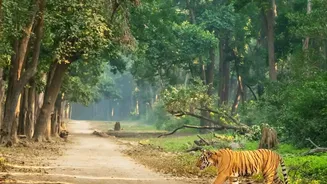
thrill to a winter safari in Ranthambore, where ancient forts and ruins serve as a backdrop for wildlife sightings. The season, from November to February, offers pleasant weather with daytime temperatures between 10°C and 25°C. This is an ideal time to spot the park's famous Bengal tigers, as they often bask in the winter sun in open areas. The reduced foliage makes it easier to see not just tigers, but also leopards, sloth bears, and herds of deer. Early morning safaris are particularly atmospheric, with mist hanging over the park's many lakes, like Padam Talao. The combination of history and a high chance of tiger encounters makes Ranthambore a top choice for first-time safari-goers.
Jim Corbett National Park, Uttarakhand
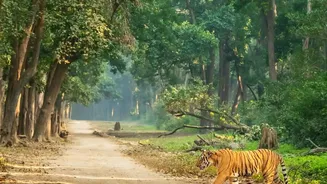
As India's oldest national park, Jim Corbett offers a classic safari experience against the backdrop of the Himalayan foothills. The winter months, from November to February, are widely considered the best time to visit, with cool, comfortable weather perfect for long safaris. During this period, the vegetation thins out, which significantly improves visibility for spotting tigers and other animals that are more active during the day in the cooler temperatures. Winter is also a paradise for birdwatchers, as many migratory bird species arrive from Central Asia and Siberia, adding to the park's already rich avian population of over 600 species. The misty mornings and clear days provide a stunning setting for wildlife photography and exploration.
Kaziranga National Park, Assam
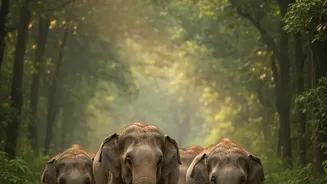
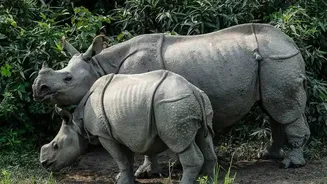
For those seeking a different kind of giant, Kaziranga is the ultimate destination. This UNESCO World Heritage Site is home to the world's largest population of the Indian one-horned rhinoceros. The park is only open from November to April, making winter the prime season for a visit. The weather is cool and dry, and the tall elephant grass is either shorter or has been burned off, offering unobstructed views of rhinos, elephants, and wild water buffalo grazing in the plains. December to February is considered the peak time for the most comfortable and rewarding safaris, with pleasant temperatures and high wildlife activity. Beyond the rhinos, Kaziranga is also a key habitat for tigers, although they are more elusive due to the terrain.
Bandhavgarh National Park, Madhya Pradesh
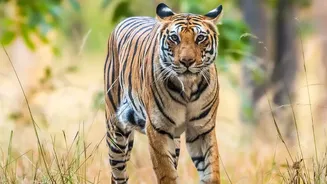
If your primary goal is to see a tiger, Bandhavgarh is arguably your best bet. The park boasts one of the highest tiger densities in India. The winter season, from October to February, is an excellent time to visit. The park reopens after the monsoon with lush, vibrant landscapes, and the weather is cool and pleasant for safaris. While the dense post-monsoon foliage can sometimes make sightings a challenge, the increased activity of tigers in the cooler daytime temperatures compensates for it. Besides its famous tigers, the park is also known for its large breeding population of leopards and various deer species. The ancient Bandhavgarh Fort, perched on a cliff inside the park, adds a layer of historical intrigue to the wild landscape.
Pench National Park, Madhya Pradesh
Famous as the inspiration for Rudyard Kipling's 'The Jungle Book', Pench National Park offers a serene and less crowded safari experience. Winter, from November to February, is an ideal time to explore its teak forests and grasslands, with cool and comfortable weather. This season is fantastic for spotting not only tigers and leopards but also the Indian wild dog (dhole), sloth bears, and large herds of gaur (Indian bison). Birdwatching is another major highlight in winter, as numerous migratory species flock to the Pench River and other water bodies within the park. The clearer visibility and increased animal activity during the cooler parts of the day make for a rewarding and peaceful journey into the world of Mowgli and Shere Khan.