


As winter settles across India, the country's magnificent national parks offer a unique and rewarding experience for wildlife enthusiasts. The cooler, pleasant weather and clearer visibility make it one of the best times to witness incredible animals.
Ranthambore National Park, Rajasthan
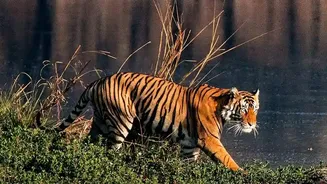
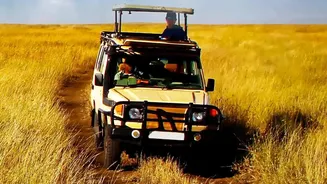
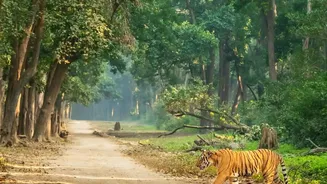
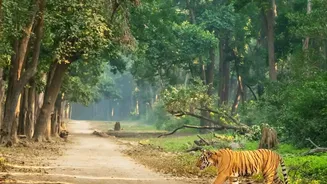
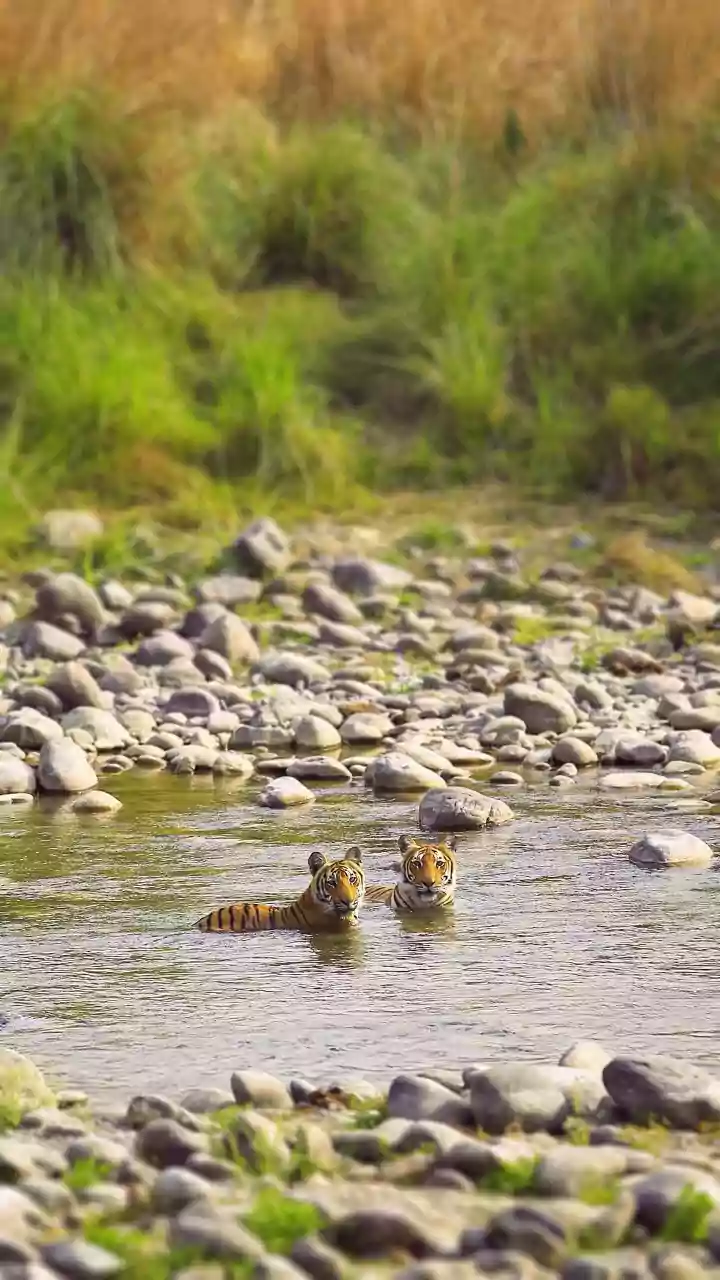
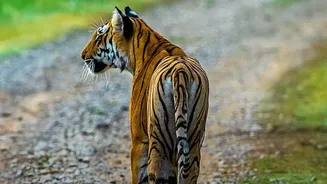
Famous for its population of Bengal tigers, Ranthambore becomes particularly accessible during the winter months from November to February. The dry deciduous forests have sparser vegetation, which improves sightlines for spotting the majestic big cats, often seen basking in the winter sun. The cooler weather is comfortable for open-jeep safaris, making the exploration of its historic ruins, like the formidable Ranthambore Fort, and its lakes a more pleasant experience. Besides tigers, the park is a habitat for leopards, sloth bears, sambar deer, and marsh crocodiles that are frequently seen along the banks of its famous lakes. Winter also welcomes a variety of migratory birds, making it an excellent time for birdwatching.
Kaziranga National Park, Assam
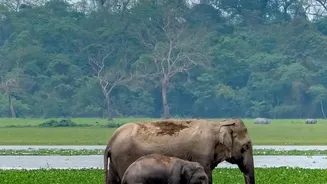
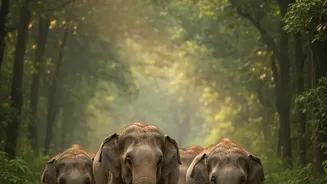
A UNESCO World Heritage Site, Kaziranga is globally celebrated for being home to the world's largest population of the Indian one-horned rhinoceros. Winter, from November to April, is considered the best time to visit, as the weather is cool and dry, with temperatures ranging from 5°C to 25°C. This season offers excellent visibility across the vast grasslands and wetlands. Animals, including rhinos, elephants, and wild water buffalo, are more easily spotted. The park also becomes a paradise for bird lovers during winter, with the arrival of migratory species from Central Asia and Siberia. Jeep and elephant safaris are fully operational, providing unforgettable opportunities to witness the park's rich biodiversity against the backdrop of its lush winter landscape.
Gir National Park, Gujarat
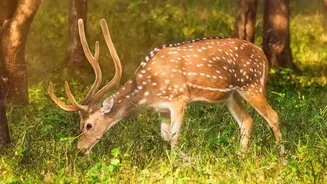
Gir holds the unique distinction of being the only place in the world to see Asiatic lions in the wild. The winter season, from November to February, is an ideal time for a safari. The climate is cool and comfortable, making for pleasant game drives through its dry deciduous forests. During this period, lions and other wildlife are quite active throughout the day. Besides the majestic lions, Gir is home to a significant population of leopards, sambar deer, chital, nilgai (blue bull), and the unique four-horned antelope. The park's water bodies also host a healthy population of marsh crocodiles. A visit in winter provides a chance to witness a remarkable conservation success story in a comfortable and scenic setting.
Jim Corbett National Park, Uttarakhand
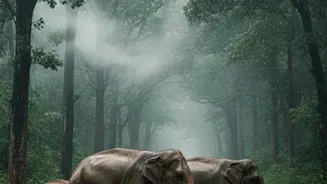
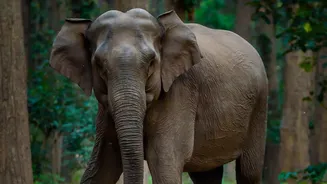
As India's oldest national park, Jim Corbett offers a classic wildlife experience at the foothills of the Himalayas. The winter months, from November to February, are perfect for visiting, with pleasant daytime temperatures ideal for safaris. This season is particularly rewarding for birdwatchers, as over 580 species, including many migratory birds, can be found here. While Corbett is renowned for its elusive Bengal tigers, it also provides frequent sightings of elephants, various species of deer, and langurs. The misty mornings and the golden light filtering through the dense Sal forests create a magical atmosphere. The Dhikala zone, with its vast grasslands, is especially famous for offering panoramic views and excellent opportunities for wildlife spotting.
Kanha National Park, Madhya Pradesh
Often cited as the inspiration for Rudyard Kipling's 'The Jungle Book', Kanha's sprawling meadows and lush sal forests are breathtaking in winter. The period from November to February offers crisp, cool weather perfect for comfortable safari drives. Misty mornings often give way to clear, sunny days, providing beautiful light for photography. Kanha is one of the best places to see Bengal tigers, but it is also famous for the successful conservation of the Barasingha, or hard-ground swamp deer, which is a common sight in the meadows. Other animals you might encounter include leopards, Indian gaur (bison), and wild dogs (dholes). The combination of stunning landscapes and diverse fauna makes Kanha a premier winter wildlife destination.