






The End of the 'Price Is King' Era
Not long ago, the success of Indian e-commerce giants was built on a simple premise: offer the lowest price. Mega sales events with staggering discounts trained a generation of shoppers to hunt for bargains. This strategy successfully brought millions
of Indians online, but it came at a cost: low profit margins and even lower customer loyalty. As the market matures, both companies and consumers are realizing the unsustainability of a discount-only model. Shoppers are now more experienced and discerning, and the initial thrill of a cheap purchase is being replaced by a more thoughtful evaluation of long-term worth. While price remains a factor, it is no longer the sole driver of decisions.
Speed Is the New Battleground
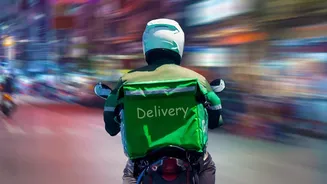
If discounts were the first frontier, speed is undoubtedly the new one. The meteoric rise of quick commerce, promising deliveries in 10-30 minutes, has radically altered consumer expectations. Initially focused on groceries, these platforms are rapidly expanding into categories like electronics, personal care, and apparel. This model caters to the urban Indian's demand for instant gratification and convenience. Platforms are now competing on who can deliver faster and more reliably, turning logistics and hyperlocal fulfillment into a key differentiator. This has put immense pressure on traditional e-commerce players, who are now also forced to innovate their supply chains to offer faster delivery options.
A Growing Appetite for Quality and Trust
With greater exposure to global products and access to countless online reviews, Indian consumers have become more conscious of quality, durability, and authenticity. This is especially true in categories like beauty, wellness, and electronics, where the assurance of a genuine product often outweighs the appeal of a small discount. The post-pandemic consumer is more thoughtful, prioritizing products that perform better and last longer. They are more willing to spend extra for a brand they trust, one that offers transparent information and good customer service. This shift represents a move from being merely price-sensitive to becoming truly value-conscious.
The Direct-to-Consumer Revolution
Fueling this move beyond discounts is the explosion of Direct-to-Consumer (D2C) brands. India is now home to hundreds of these digital-native companies that connect directly with their customers, bypassing traditional marketplaces. These brands often build a loyal following not through price wars, but through unique products, compelling storytelling, and a strong sense of community. By controlling the entire customer experience, from marketing to sales and service, D2C brands can offer a level of personalization and connection that larger platforms struggle to match. Their success proves that a strong brand identity and a genuine relationship with customers can be more powerful than a temporary price cut.
Experience is the New Product
Ultimately, the shift is towards a more experience-driven model of commerce. This includes everything from AI-powered personalization that suggests relevant products, to loyalty programs that reward repeat customers with meaningful benefits, not just points. New formats like live commerce, where influencers demonstrate products in real-time, are creating more engaging and interactive shopping journeys. Features like easy returns, reliable customer support, and seamless payment options through UPI are no longer nice-to-haves; they are core components of the value proposition. Brands are learning that in a crowded market, a superior customer experience is the most durable competitive advantage.