








More Than Just a Winter Brew
For generations, kadha was the go-to home remedy, a potent, often bitter, concoction prepared by mothers and grandmothers at the first sign of a sniffle. It was functional, not fashionable. But as the monsoon clouds gather, this traditional decoction
has found a new, more celebrated place in the modern Indian kitchen. It's no longer just medicine for a sore throat; it has transformed into a daily wellness ritual, a comforting brew that signals self-care and a connection to tradition. This shift marks a significant evolution, moving kadha from the medicine cabinet to the coffee-and-tea shelf as a beverage of choice, especially when the weather turns grey and damp.
The Powerhouse of Spices
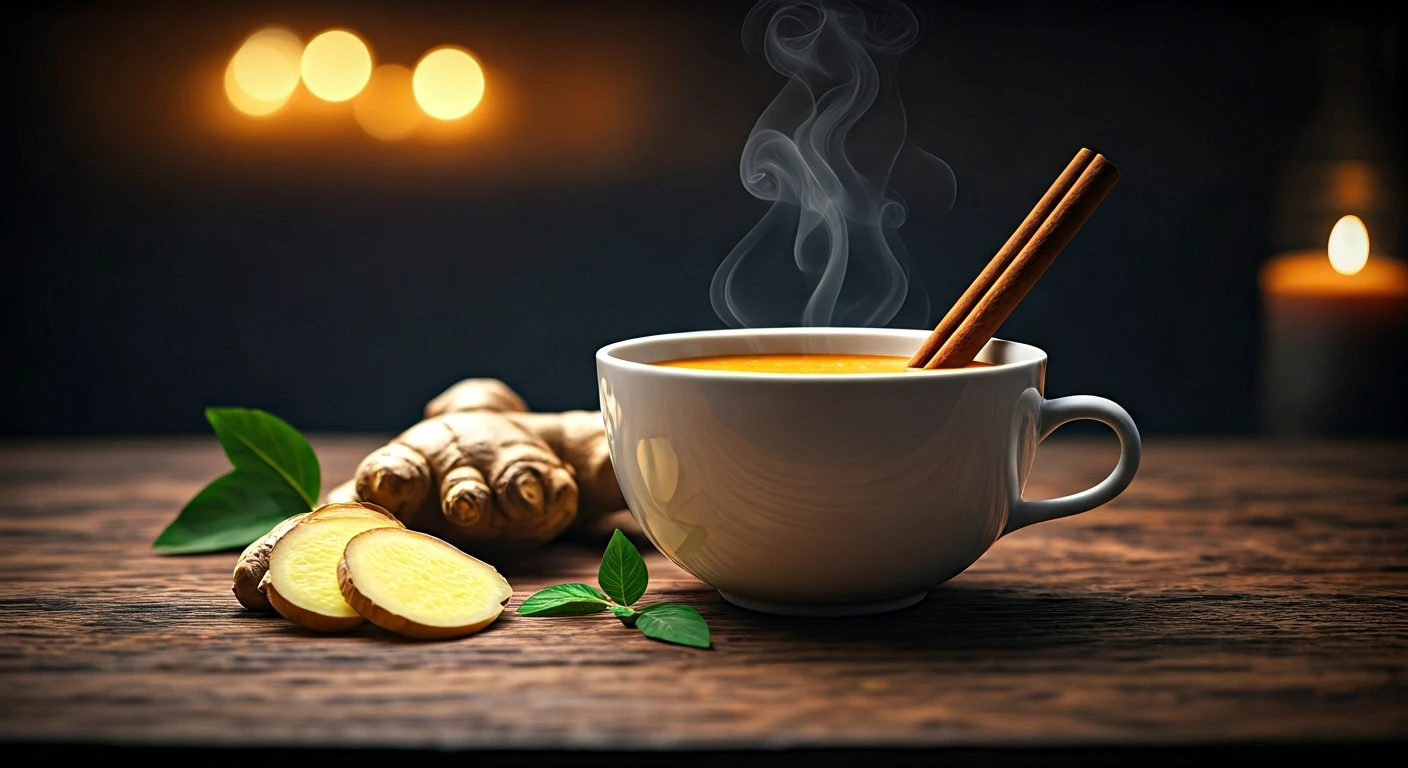
At its core, a kadha is an Ayurvedic powerhouse, a simmered blend of herbs and spices known for their therapeutic properties. While recipes vary from family to family, a few star players are almost always present. There’s the fiery warmth of ginger (adrak), revered for its anti-inflammatory and digestive benefits. Tulsi, or holy basil, is celebrated as an adaptogen that helps the body combat stress and boosts immunity. Black peppercorns (kali mirch) not only add a pungent kick but are believed to enhance nutrient absorption and clear congestion. Cinnamon (dalchini) lends a sweet aroma and is packed with antioxidants, while cloves (laung) are known for their antiseptic qualities. When simmered together in water, these ingredients create a synergistic brew that warms the body from the inside out—a perfect antidote to the damp chill of a rainy day.
A Pandemic-Fueled Renaissance
While kadha has always been part of India’s cultural fabric, its recent surge in mainstream popularity can be traced back to the global pandemic. The intense focus on immunity and preventative health saw a massive revival of interest in traditional wellness practices. Suddenly, social media feeds were filled with recipes, and commercial brands began launching ready-to-make kadha mixes. This period cemented kadha's status in the urban Indian consciousness. It became a proactive step towards well-being, a simple yet powerful ritual that offered a sense of control and comfort during uncertain times. The habit stuck, and now, the arrival of the monsoon serves as a natural reminder to return to this nourishing practice.
Crafting Your Perfect Cup
The beauty of kadha lies in its adaptability. There is no single, rigid recipe. You can start with a basic foundation: a few slices of fresh ginger, a handful of tulsi leaves, 4-5 black peppercorns, and a small stick of cinnamon, all simmered in two cups of water until the liquid is reduced by half. From there, you can customise it to your taste and needs. A spoonful of raw honey or a piece of jaggery can be added at the end for sweetness and to soothe a scratchy throat (remember not to boil honey). Some people add a pinch of turmeric for its anti-inflammatory prowess, a few cardamom pods for aroma, or ajwain (carom seeds) to aid digestion. The process is as important as the final product—the act of crushing spices and simmering the brew is a mindful, grounding experience in itself.
The New Comfort Ritual
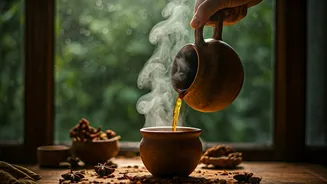
Ultimately, kadha’s ascent to becoming a rainy-day favourite is about more than just its health benefits. It taps into a collective nostalgia for simpler times and the nurturing care of family. In a world of fast-paced living, the slow, deliberate process of making kadha offers a moment of pause. The aromatic steam that fills the kitchen, the warmth of the mug in your hands, and the spicy-sweet taste provide a multi-sensory experience that is deeply comforting. It’s a hug in a cup, a liquid blanket against the monsoon gloom. It represents a wholesome connection to our roots, reimagined for a contemporary lifestyle.