

The Great Himalayan Rain Shadow
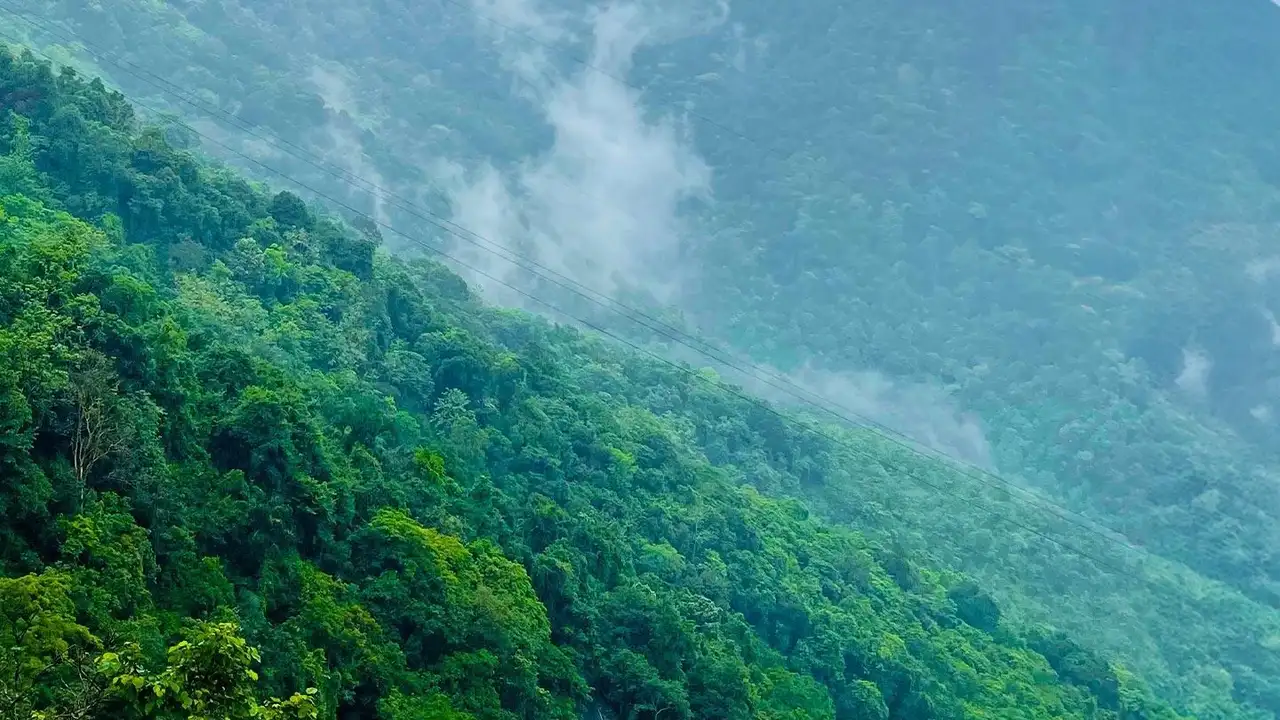
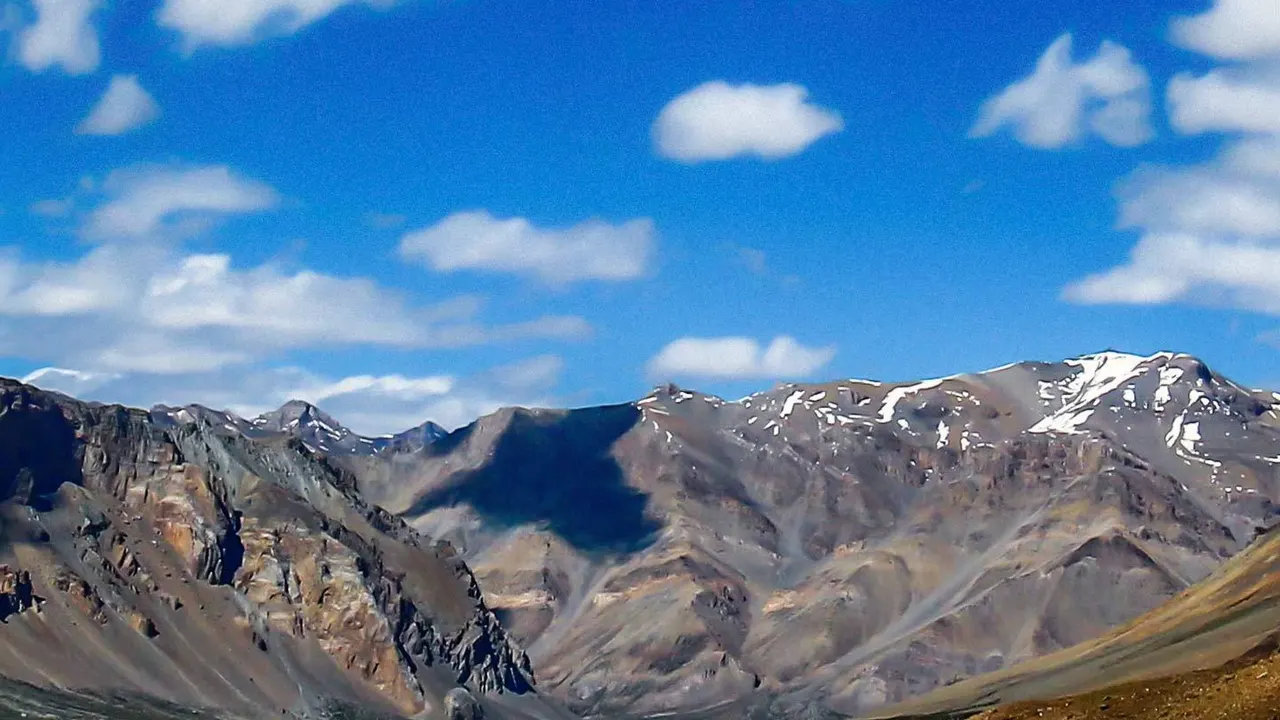
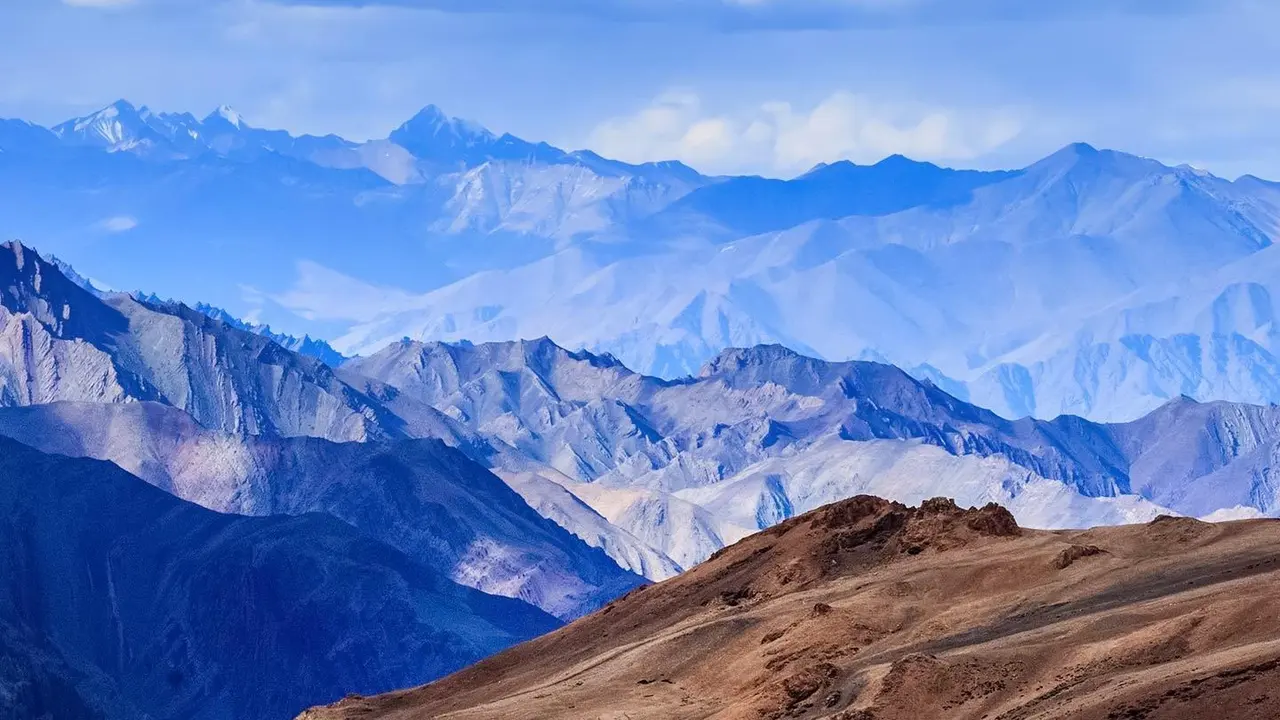
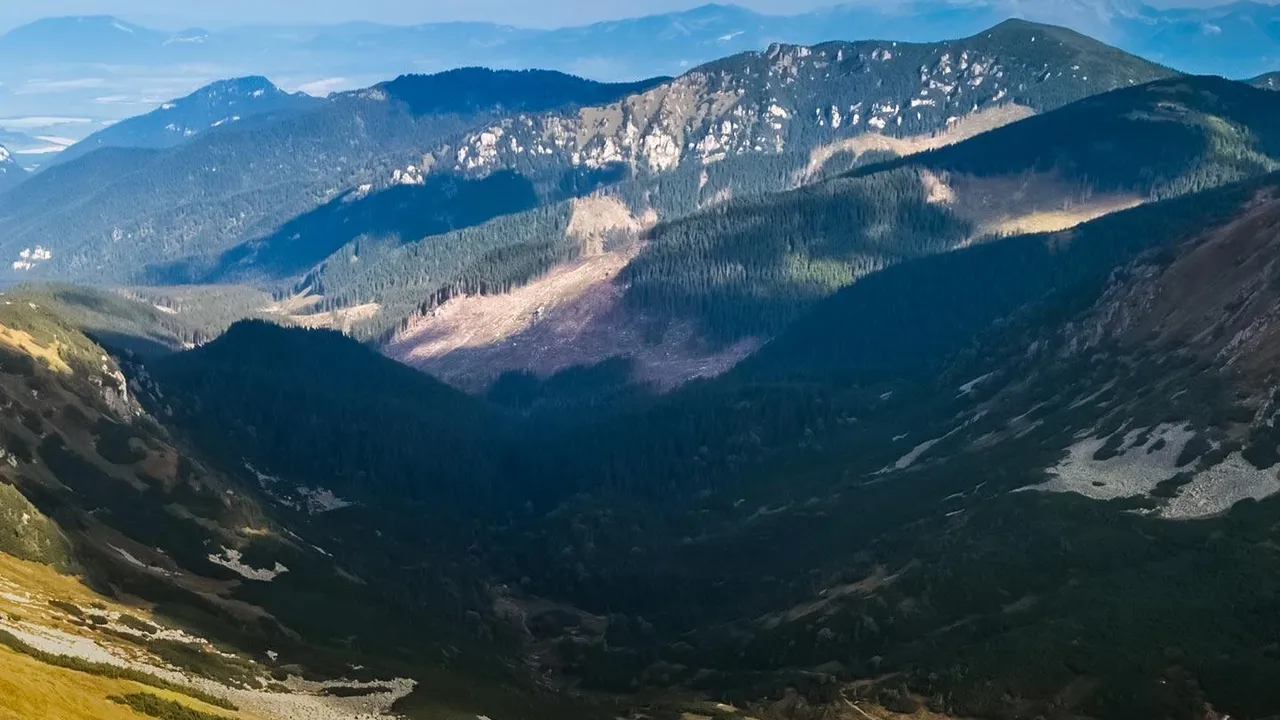
The primary reason for Ladakh's dry climate during the monsoon is a powerful geographical phenomenon known as the rain shadow effect. The towering Himalayan and Zanskar ranges act as a colossal barrier, blocking the moisture-laden monsoon clouds that
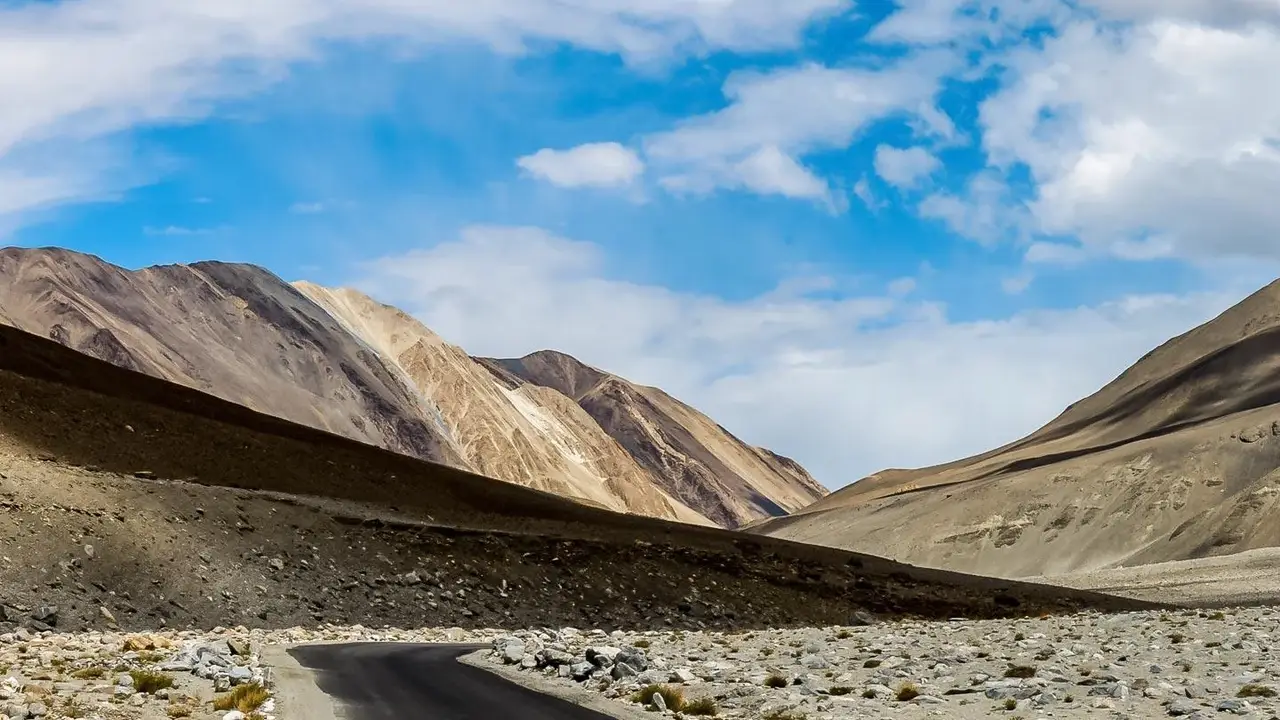
sweep in from the Indian Ocean. These clouds are forced to rise, cool, and release their rain and snow on the southern, windward side of the mountains. By the time the winds cross over the peaks and descend into Ladakh on the leeward side, they have lost almost all their moisture, resulting in dry, arid conditions. This is why Ladakh is classified as a high-altitude cold desert, receiving less than 100mm of rainfall annually.
A Desert Bathed in Sunshine
While the rest of the country deals with humidity and downpours from June to September, Ladakh experiences its most pleasant weather. This period is its peak summer, with comfortable daytime temperatures often ranging between 20°C and 25°C. The skies are generally clear and sunny, making it an ideal time for outdoor activities and exploration. This stark contrast is what makes Ladakh a unique and sought-after destination for those looking to trade monsoon gloom for reliable sunshine and adventure. The air is crisp and dry, a world away from the moisture-heavy atmosphere found elsewhere in India during these months.
The Perfect Season for Adventure
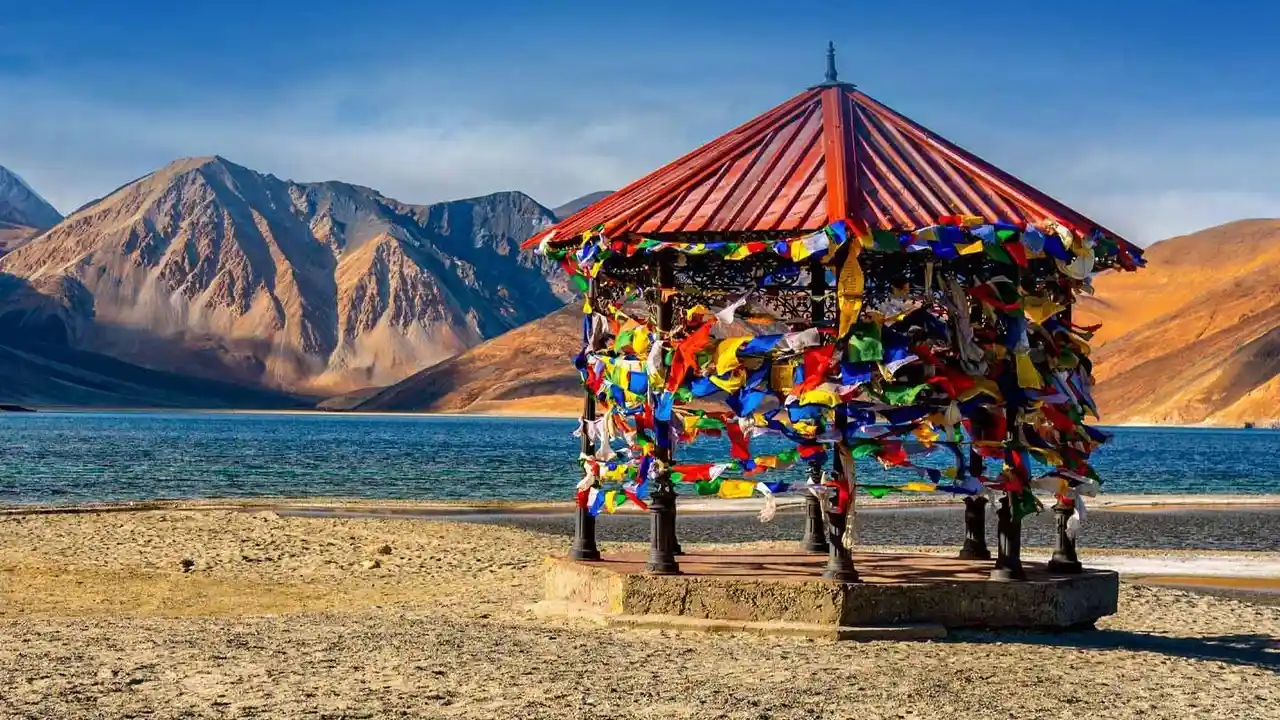
The dry, sunny weather from July to September makes it the best time for most activities in Ladakh. All major mountain passes and roads, including the high-altitude routes to Pangong Lake and Nubra Valley, are reliably open. This accessibility makes it the prime season for road trips, whether by bike or car. The conditions are perfect for trekking, with trails like the Markha Valley trek being particularly popular. Adventure sports enthusiasts can also indulge in white-water rafting on the Zanskar and Indus rivers, which are at their best during this time. Furthermore, several vibrant monastic festivals, such as the famous Hemis Tsechu, often take place during the summer months.
A Landscape in Full Bloom
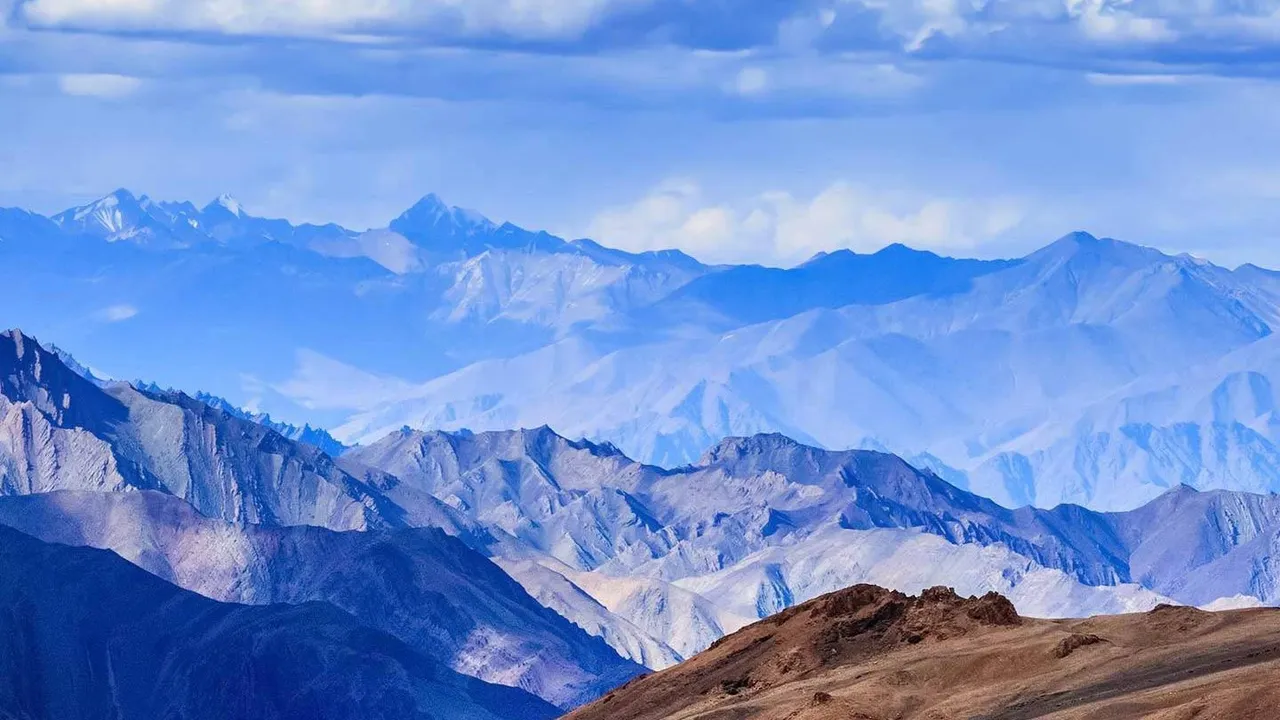
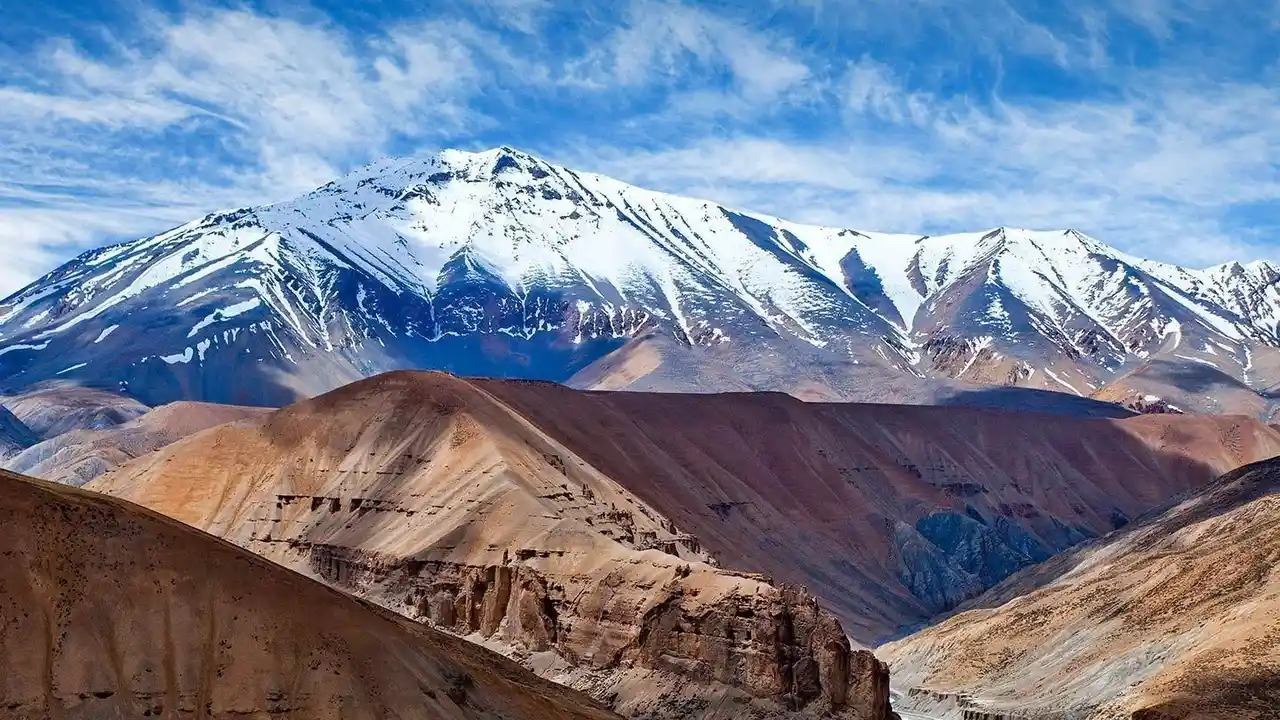
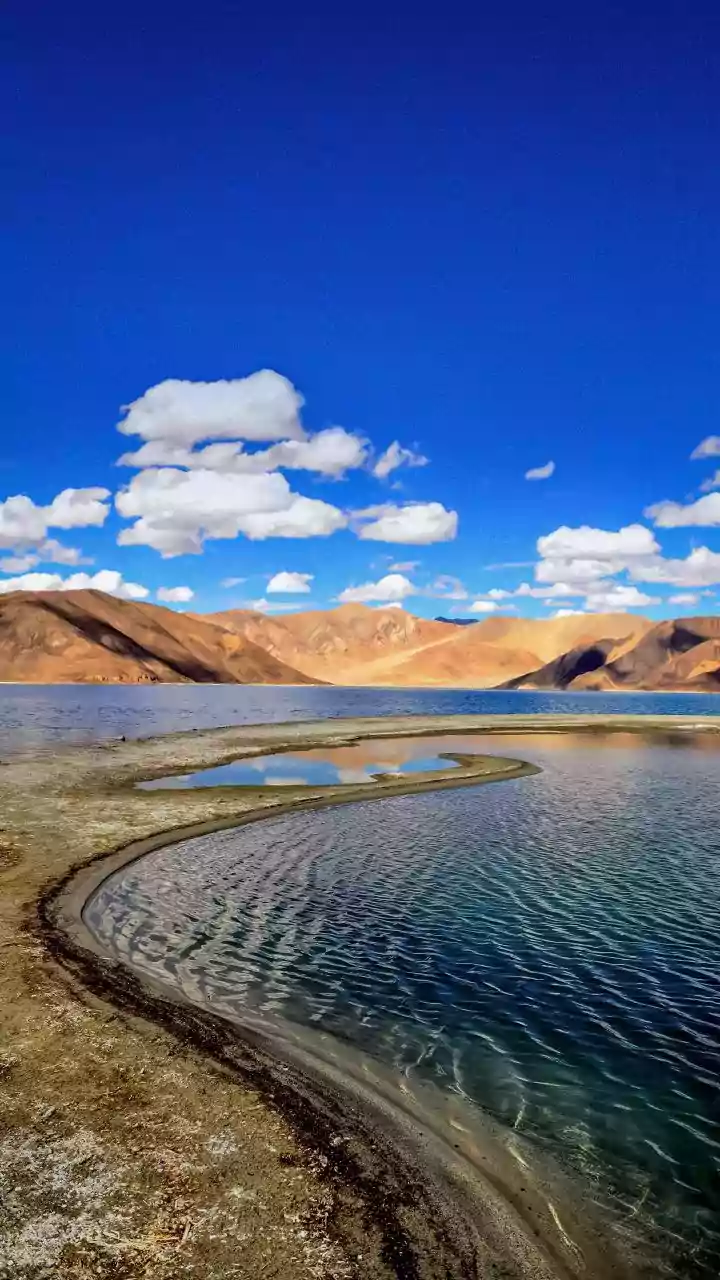
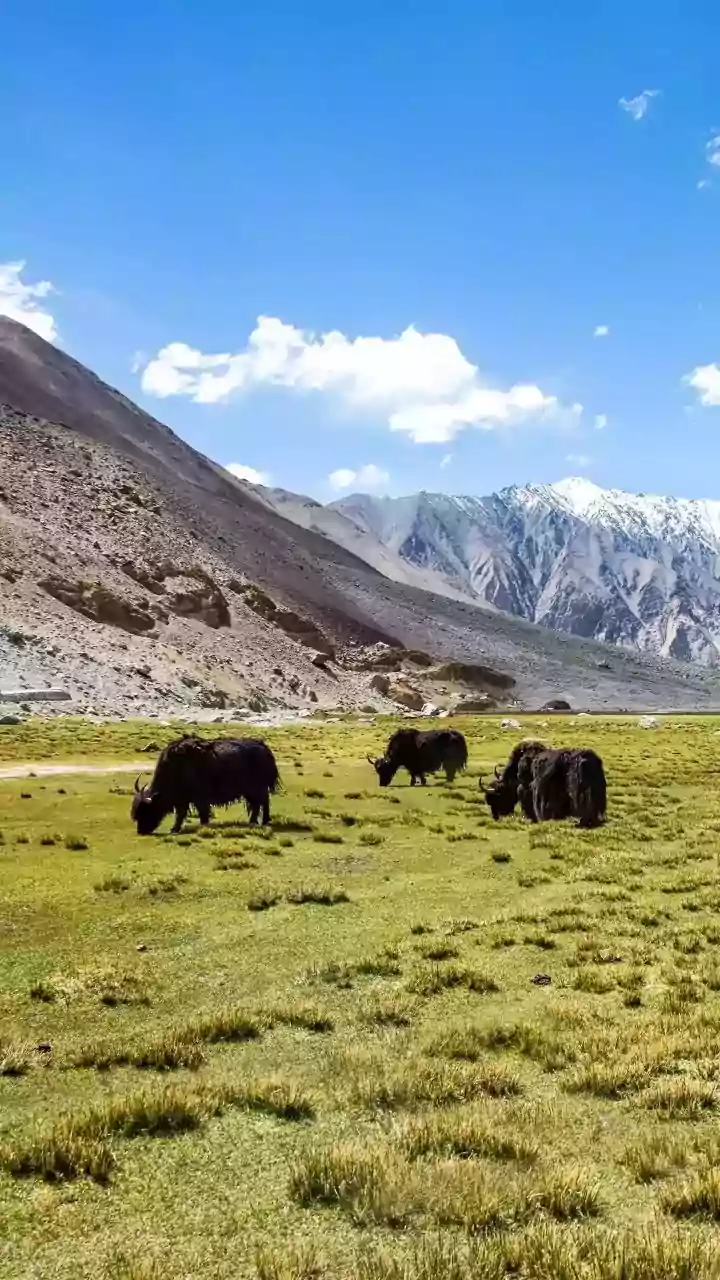
Though a desert, Ladakh's landscape undergoes a subtle and beautiful transformation during the monsoon months. The minimal moisture it does receive is enough to trigger a brief greening of the valleys and meadows. Patches of wildflowers appear in the mountain passes, and the riverbanks show a hint of green against the stark, ochre mountains. This creates a stunning contrast of colours: the deep blue of the lakes, the brown and grey of the mountains, and the temporary green of the valleys, all under a brilliant blue sky. For photographers and nature lovers, this period offers a visual vibrancy that is absent during other times of the year.
A Note on Getting There
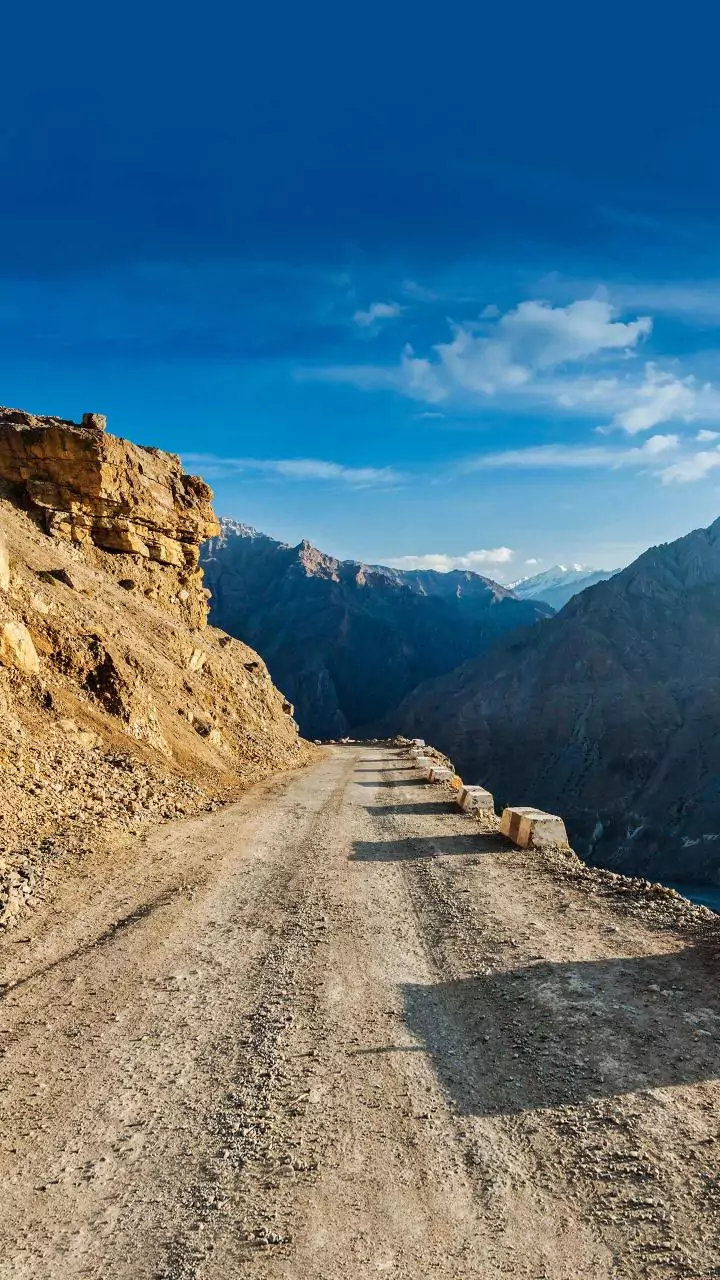
While Ladakh itself remains dry, reaching it by road requires careful planning. The highways connecting to Ladakh from Manali and Srinagar pass through regions that receive heavy monsoon rainfall. These areas are prone to landslides and roadblocks, which can cause significant delays. Travelers planning a road trip should build extra buffer days into their itinerary and check road conditions with the Border Roads Organisation (BRO) before setting out. For a hassle-free journey, flying directly into Leh’s Kushok Bakula Rimpochee Airport is the safest and most reliable option during the monsoon season, completely bypassing the challenges of the highways.