
Start with the Colour Wheel
Before you start pairing pieces, a quick refresher on colour theory can be a game-changer. The colour wheel is your best friend for creating harmonious looks. For an easy start, try a monochromatic outfit, using different shades of a single colour. This
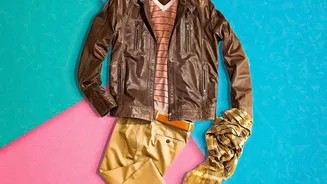
creates a chic, streamlined look that's always in style. Think a navy trouser with a light blue shirt. For a bolder approach, try complementary colours, which are opposites on the wheel like blue and orange. The key here is balance; use one as the main colour and the other as an accent, perhaps in a scarf or handbag, to create a confident pop without overwhelming the eye.
Understanding Texture's Role
Texture is the feel and appearance of a fabric's surface, and it adds depth and interest to any outfit. Think of the difference between a rugged denim jacket, a smooth silk blouse, a chunky knit sweater, and a sleek leather skirt. Each has a different 'visual weight'. Mixing these textures is what elevates a simple look into a memorable one. Even a single-colour outfit can become visually exciting when you combine different textures, like a cream cable-knit sweater paired with cream silk trousers. This tactic adds a layer of sophistication that colour alone cannot achieve.
The Art of the Perfect Pair
Now, let's combine these ideas. A great rule of thumb is to create contrast. Pair a soft, fluid fabric with something more structured and coarse. A classic example is combining a delicate silk or satin piece with sturdy denim. Imagine a silk camisole under a denim jacket, or a satin skirt paired with a simple cotton t-shirt. Another winning combination is a chunky, heavy knit sweater worn over a lightweight linen dress or with sleek leather pants. This play on opposites creates a balanced and visually engaging outfit that feels intentional and well-styled.
Building on a Neutral Foundation
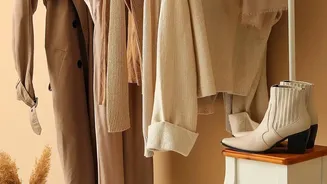
If you're new to this, the easiest way to start is with a neutral base. Neutrals like black, white, grey, beige, and navy are the backbone of a versatile wardrobe because they go with everything. Start with a simple neutral outfit, like black jeans and a white tee. From there, you can introduce a pop of colour with a vibrant blazer or add interesting texture with a tweed jacket or a woven bag. This 'third piece' rule can instantly transform a basic combination into a complete outfit. A neutral canvas allows the colour or texture you add to become the star of the show.
Outfit Formulas to Try Now
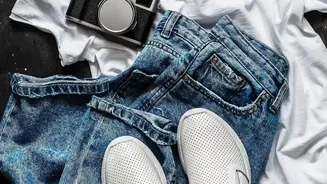
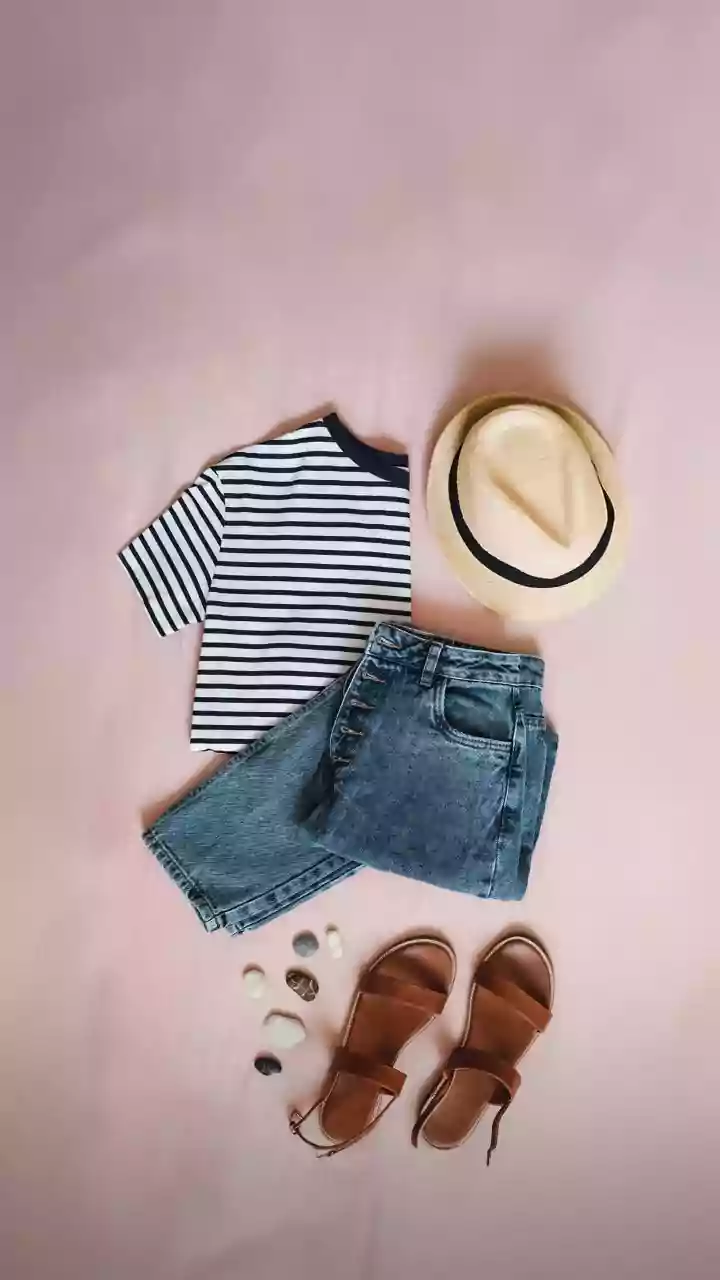
Ready to put it all into practice? Here are a few foolproof formulas to experiment with: The Casual Classic: Your favourite pair of blue jeans (texture: denim), a simple white cotton tee (texture: smooth cotton), and a leather jacket (texture: sleek leather). Three textures, timeless style. The Office-Ready Edit: A silk blouse (texture: smooth/shiny) tucked into wool trousers (texture: matte/soft). The contrast in fabric sheens creates a subtle, professional elegance. * The Weekend Brunch Look: A chunky knit sweater (texture: heavy/cozy) paired with a flowy pleated midi skirt (texture: light/structured). This combination plays with volume and weight for a fashionable and comfortable result.
Don't Forget Accessories
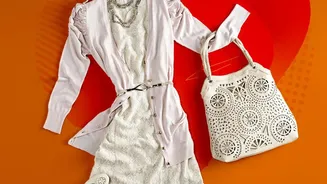
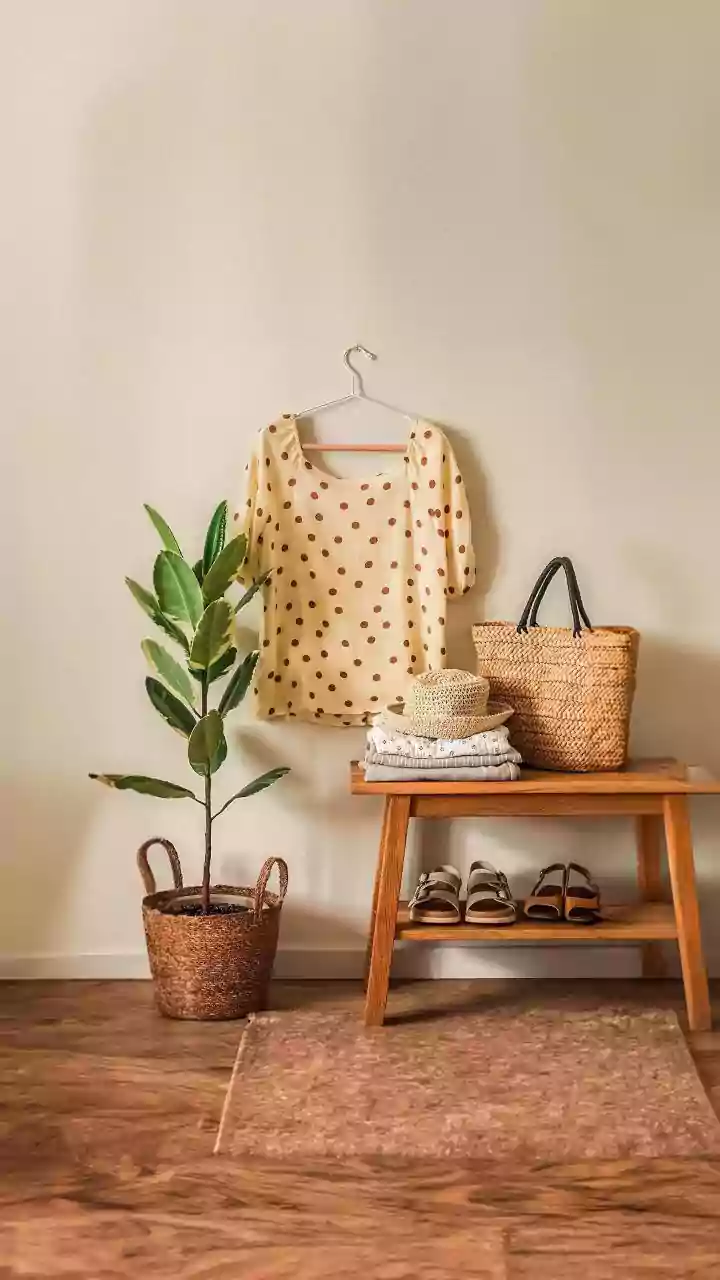
Accessories are a low-commitment way to experiment with both colour and texture. A brightly coloured handbag can bring a neutral outfit to life. A silk scarf can introduce a new pattern and a luxurious texture. Even shoes offer an opportunity to play; think of the difference between suede loafers, patent leather heels, or canvas sneakers. Using accessories is like a trial run—it helps you get comfortable with new combinations on a smaller scale before you apply them to your main garments.