





The Core Finding: A Handful of Hope
Researchers have found that a daily habit of eating peanuts could be beneficial for the aging brain. A study conducted at Maastricht University Medical Center in the Netherlands looked at healthy adults between the ages of 60 and 75. The key discovery
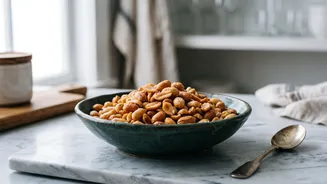
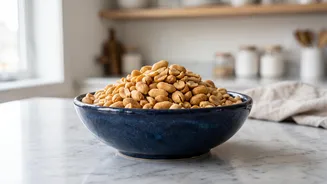
was that participants who consumed about two servings (around 60 grams) of unsalted, skin-roasted peanuts each day for 16 weeks showed significant improvements in brain vascular function. This essentially means the blood vessels in their brains were working more efficiently, a crucial factor for maintaining cognitive health.
Inside the Study: How It Worked
The research, published in the peer-reviewed journal 'Clinical Nutrition', was a randomized, controlled crossover trial—a rigorous design that adds weight to its findings. It involved 31 healthy older adults. For 16 weeks, they were asked to eat about 60 grams of peanuts daily. Then, after a break period, they had a 16-week phase where they did not consume peanuts, acting as their own control group. Scientists used advanced MRI techniques to measure cerebral blood flow (CBF), which is the amount of blood circulating through the brain, delivering vital oxygen and nutrients.
Blood Flow, Memory, and the Brain
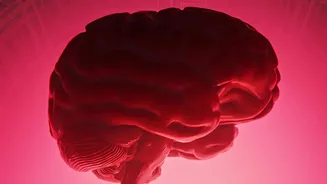
So, what did the scans show? The peanut-eating phase led to a notable increase in blood flow. Specifically, there was a 3.6% increase in overall cerebral blood flow and a 4.5% increase in blood flow to the brain's gray matter. The study also found a 5.8% improvement in verbal memory. Participants were able to correctly recall more words from a list after a delay, a common test for memory function. The researchers believe that the improved blood flow, especially to the frontal and temporal lobes which are critical for memory, is the likely mechanism behind this cognitive boost.
Why Peanuts? Unpacking the Nutrients
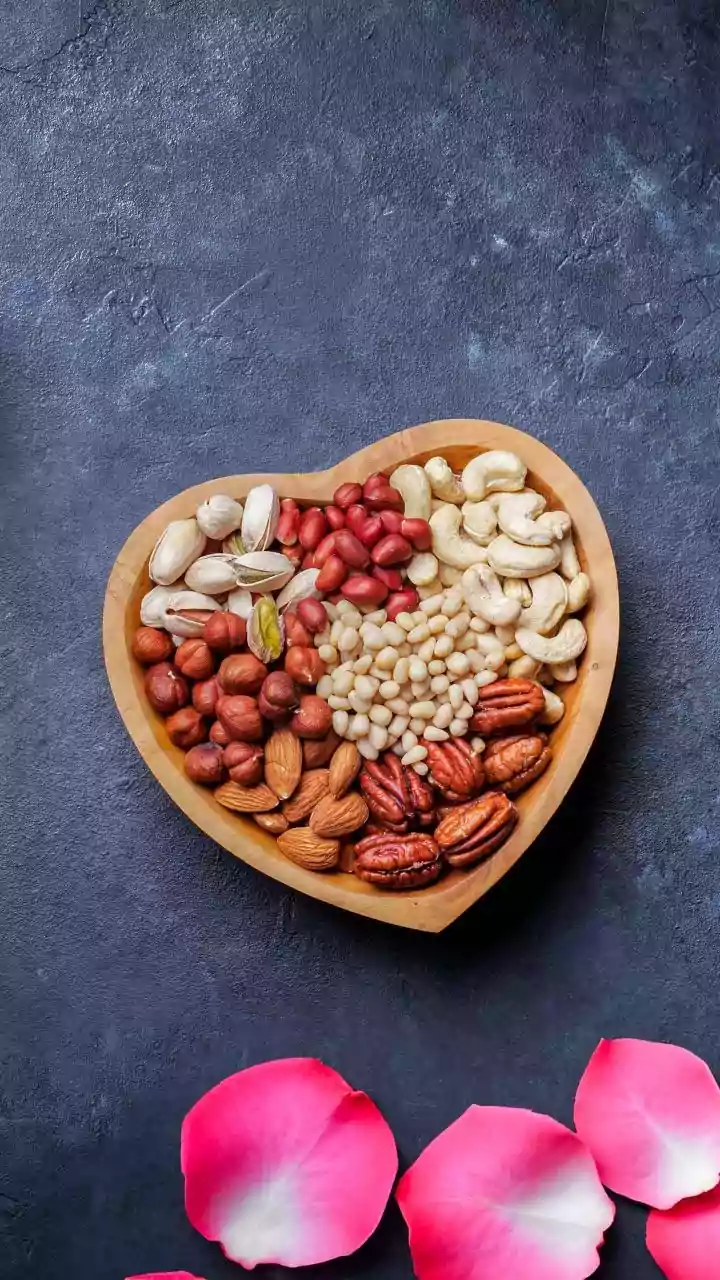
Peanuts are more than just a tasty snack; they are packed with nutrients that may contribute to these brain-boosting effects. They are a good source of L-arginine, an amino acid the body uses to create nitric oxide. Nitric oxide helps relax and widen blood vessels, which directly improves blood flow. Peanuts, especially their thin papery skins, are also rich in bioactive compounds like resveratrol and other polyphenols, which are antioxidants known to support vascular health. This combination of healthy unsaturated fats, protein, vitamins, and minerals likely works together to support the brain.
A Promising Piece of the Puzzle
While these findings are encouraging, it's important to keep them in perspective. The researchers themselves emphasize that this is one study with a relatively small number of participants. It does not prove that eating peanuts can prevent or cure conditions like Alzheimer's disease or dementia. However, it adds a significant piece of evidence to a growing body of research suggesting that our dietary choices play a vital role in long-term brain health. The study also noted another positive side effect: a decrease in systolic blood pressure among the participants during the peanut-eating phase.