



From Afterthought to Main Event
For decades, the salad was the culinary world’s most reliable understudy—always on the menu, rarely in the spotlight. It was the thing you ordered when you were 'being good', a penitent mix of greens often drowned in a sugary, generic dressing. But a quiet
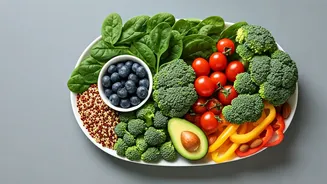
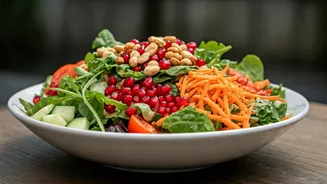
revolution has taken place. The modern salad is no longer a side dish; it’s the star. It's a complex, satisfying, and deeply flavourful meal that commands attention. Think hearty grain bowls with roasted vegetables, crunchy seeds, and a zesty lemon-tahini dressing. Picture grilled halloumi or paneer paired with watermelon, mint, and a balsamic glaze. This isn't just a bowl of leaves; it's a carefully constructed dish that balances textures, temperatures, and tastes. The new generation of salads respects every ingredient, transforming a simple concept into a culinary experience.
The Drivers of the Glow-Up
So, what caused this dramatic shift? A few cultural currents converged perfectly. First, the global wellness movement has encouraged a greater focus on whole foods and nutrient-dense meals. People aren't just eating salads to lose weight; they're eating them to feel energised and nourished. Second, social media has played a massive role. A vibrant, colourful salad is incredibly photogenic. Viral trends like the 'Green Goddess Salad' or the 'Jennifer Aniston Salad' have shown millions that healthy food can be exciting and aspirational. Finally, convenience has been key. The explosion of fast-casual salad bars and delivery services in Indian cities has made it easier than ever to get a high-quality, customisable salad without any of the chopping and prep work. It’s the perfect meal for a busy, health-conscious urban lifestyle.
India's New Salad Sensibility
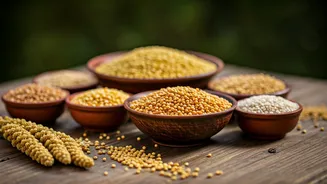
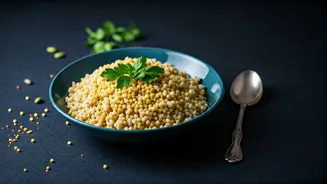
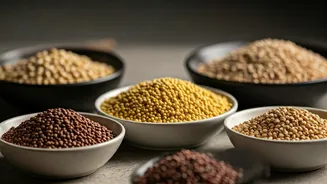
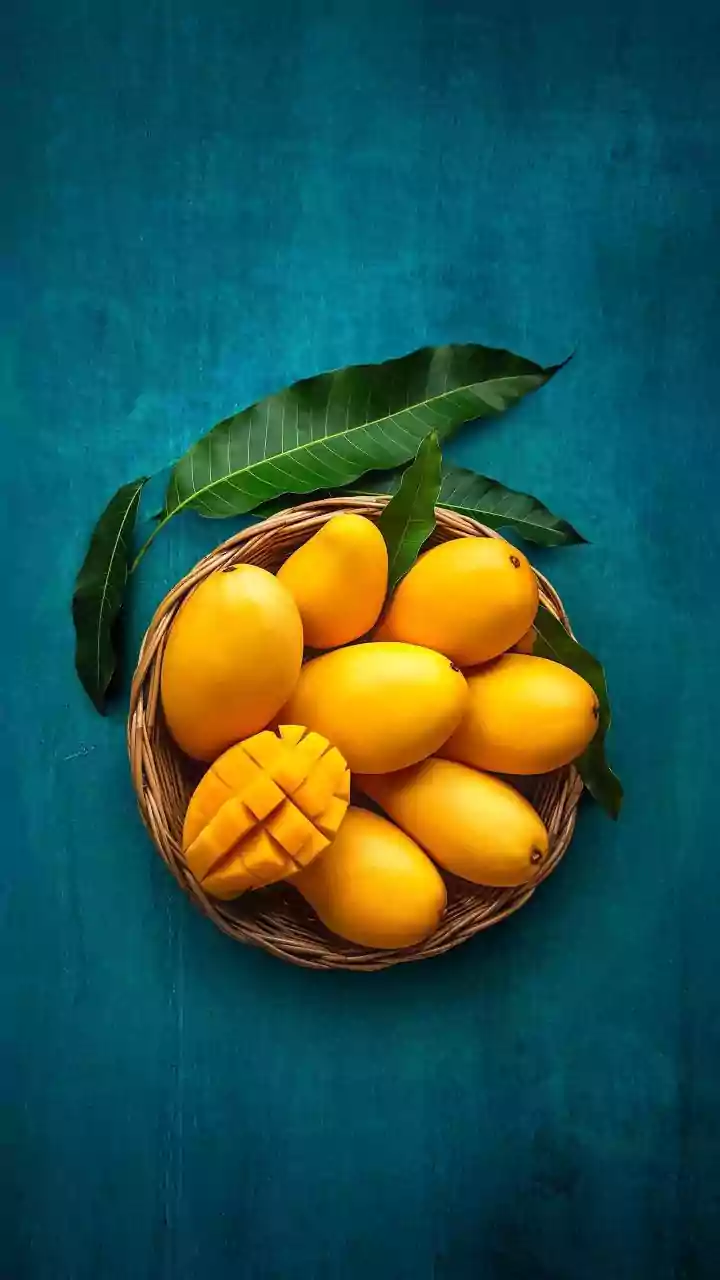
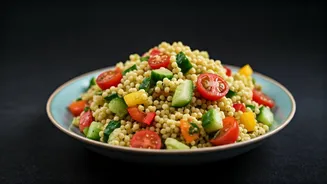
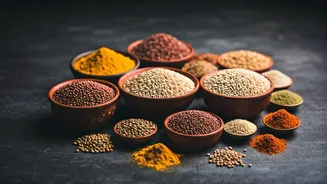
This global trend has found fertile ground in India, where it's being adapted with unique, local flair. While kale and quinoa have their fans, chefs and home cooks are also championing local ingredients. We're seeing salads built on bases of millets like foxtail and jowar, studded with roasted makhana for crunch, and featuring seasonal produce like raw mango and amla. Dressings are getting an Indian makeover too, moving beyond basic vinaigrettes to include flavours like tamarind, kokum, and spiced yogurt. This fusion approach makes the salad feel both contemporary and comfortingly familiar. It’s a reflection of a modern Indian palate—one that is globally aware but proud of its culinary roots. These aren't just Western concepts parachuted in; they are new creations born from a local context.
Redefining the Salad Itself
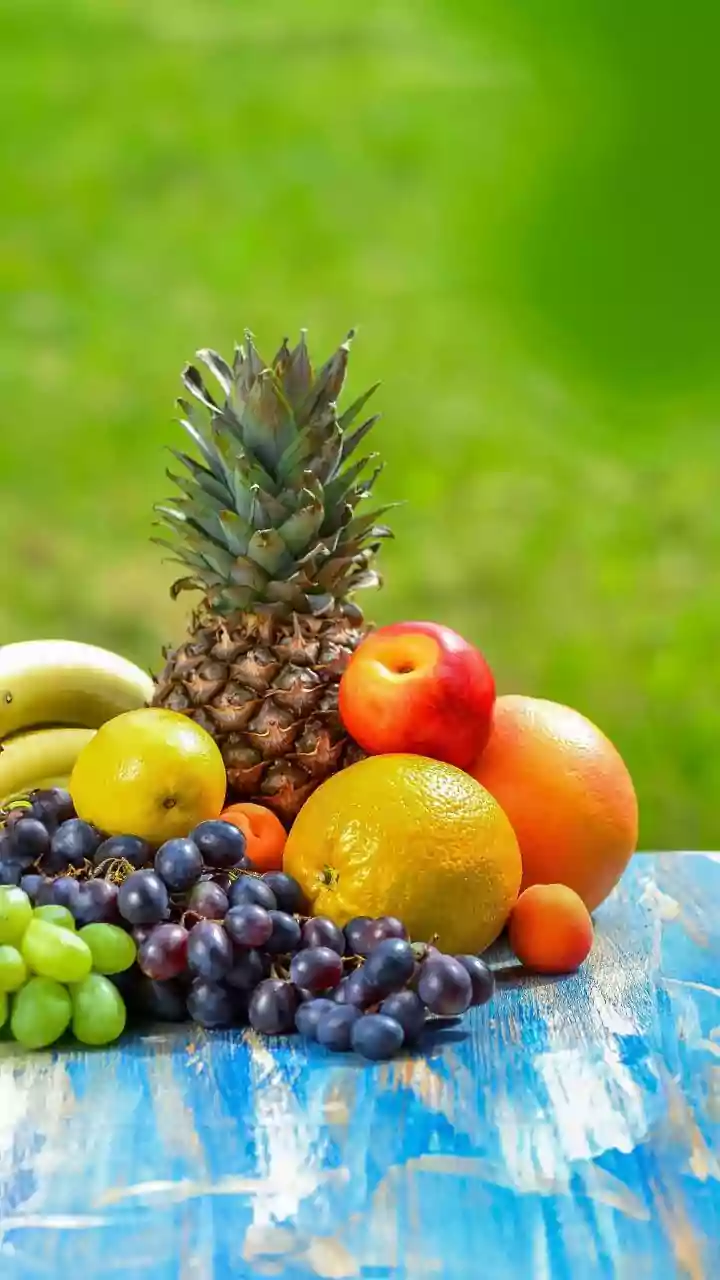
Perhaps the biggest sign of the salad's newfound respect is that we are expanding its very definition. A summer salad no longer has to be cold or raw. Warm salads with grilled vegetables or roasted chicken offer comfort and substance. Deconstructed salads, where components are artfully arranged on a plate, turn the meal into an interactive experience. Fruit-forward salads are blurring the lines between appetiser and dessert. The 'salad' has become less of a specific recipe and more of a philosophy: a fresh, component-based dish that can be endlessly adapted to suit any craving, season, or time of day. It’s a canvas for creativity, proving that healthy eating can be joyful, delicious, and anything but boring.