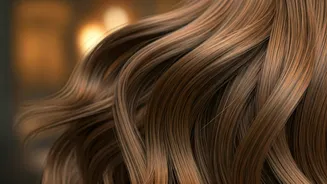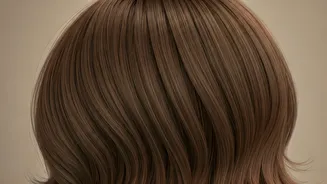




What Exactly Is Feathered Movement?
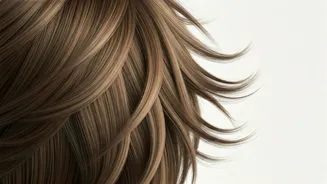
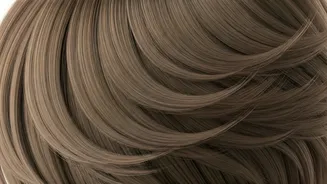
Forget the dramatic, wing-like flips of the 1970s. Today's feathered look is all about subtlety, softness, and creating natural-looking motion. The technique involves a stylist cutting soft, wispy layers that blend seamlessly into the hair. Unlike traditional,
heavier layers that create distinct shelves, feathering is designed to taper the ends, making them lighter and airier. The goal is to add texture and bounce while removing bulk, resulting in a cut that flows and moves naturally. It’s a technique that creates the illusion of volume and shape without a dramatic chop.
Why Now? The Appeal of Effortless Hair
The resurgence of feathered styles is part of a larger shift towards low-maintenance, “lived-in” hair. After years of sharp, precision cuts, there's a collective desire for styles that are more relaxed and don't require constant upkeep. Feathered cuts excel here. Because they are designed to move, the hair often falls into shape beautifully on its own, enhancing your natural texture rather than fighting against it. This makes them perfect for a wash-and-go lifestyle. This trend taps into a modern, easy-going aesthetic that feels both glamorous and completely natural.
Key Styles to Ask For
Feathered movement is a technique, not just one single cut, so it can be incorporated into many popular styles. The 'Hush Cut,' a soft, layered style from Korea, uses delicate, face-framing layers and wispy bangs for a quiet, understated look. It's less edgy than a wolf cut and focuses on a beautiful distribution of weight and movement. The 'Butterfly Cut' is a bit more dramatic, featuring shorter layers on top that create volume around the face, combined with longer layers underneath to maintain length. This creates a distinct two-tiered effect. You can also ask for feathered layers in a modern shag, a textured bob, or even a pixie to add softness and dimension.
Is This Trend Right for You?
One of the best things about feathered layers is their versatility. The technique can be adapted for nearly any hair type and length. For those with fine hair, feathering can create the illusion of more volume and body without sacrificing length or making ends look sparse. For thick hair, it’s an excellent way to remove weight and prevent the hair from feeling heavy or bulky, adding movement instead. It works beautifully on straight and wavy textures, and can even be adapted to enhance curls by creating a more defined, sculptural shape. A stylist can also tailor the placement of the layers to flatter your specific face shape, drawing attention to features like your cheekbones or jawline.
How to Talk to Your Stylist
Clear communication is crucial to getting the haircut you want. Instead of just asking for “layers,” bring reference photos of the styles you like. Use descriptive words like “soft,” “blended,” “wispy,” and “airy.” Emphasise that you want movement and texture, not choppy or heavy layers. It’s also helpful to show your stylist where you’d like the shortest layers to begin, whether that’s at your chin, cheekbone, or collarbone. Discuss your daily styling routine; if you’re low-maintenance, your stylist can ensure the cut works with your lifestyle. A good stylist will be able to work with you to create a version of the feathered look that’s perfect for you.