



The Challenge: Losing Fat, Not Muscle
New-generation weight-loss drugs, known as GLP-1 agonists, work by mimicking hormones that regulate appetite and blood sugar. This helps people feel fuller for longer, reduce cravings, and consume fewer calories, leading to significant weight loss. However,
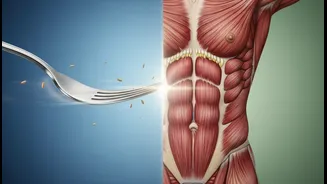
rapid weight loss often comes with a significant downside: the body loses not just fat, but also precious lean muscle mass. Studies have shown that up to 40% of the weight lost on these medications can be from muscle. This is a problem because muscle is metabolically active; it's the 'engine' that burns calories even at rest. Losing it can slow your metabolism, making long-term weight maintenance more difficult and impacting overall strength and mobility.
Exercise: The Non-Negotiable Partner
This is where exercise transitions from being a good idea to an essential component of the treatment plan. Physical activity, especially resistance training, acts as the crucial counterbalance to medication-induced muscle loss. It sends a signal to your body to preserve, and even build, muscle tissue while you are in a calorie deficit. Think of it this way: the medication helps you lose weight, but exercise ensures you're losing the right kind of weight—primarily fat. This combined approach results in a healthier body composition, which is a far better indicator of health than weight alone. Furthermore, the benefits are synergistic; studies show that exercise can even enhance how the body responds to GLP-1 medications, improving insulin sensitivity and cardiorespiratory fitness more than the drugs could alone.
Prioritising Protein and Strength
So, what kind of exercise is best? While any movement is beneficial, experts overwhelmingly recommend prioritising resistance or strength training. This doesn't necessarily mean heavy weightlifting. It can include using resistance bands, performing bodyweight exercises like squats and push-ups, or using gym machines. The goal is to challenge your muscles consistently, stimulating them to grow stronger. Aiming for at least two strength training sessions per week that target major muscle groups is a common recommendation. This should be paired with adequate protein intake, which can be a challenge since the medications suppress appetite. Protein provides the building blocks your muscles need to repair and grow, making it a non-negotiable part of preserving lean mass during weight loss.
Beyond the Scale: A New Scorecard for Health
This integrated approach invites us to look beyond the weighing scale as the only measure of success. A broader, more meaningful view of health progress includes several other markers. Monitoring your body composition to track changes in fat versus muscle mass is key. Other important indicators include improvements in cardiovascular health, better blood sugar control, increased energy levels, and enhanced mobility and functional strength. Recent research has even suggested that while weight loss from these drugs is significant, it doesn't always translate to a better quality of life on its own. The holistic benefits gained from exercise—such as improved mood, better sleep, and reduced stress—contribute significantly to overall well-being. Success is not just about the weight you lose, but the strength and vitality you gain.