





The Myth of 'The Earlier, The Better'
The conventional wisdom for festival travel is to arrive hours in advance. However, this often backfires. Major railway stations become incredibly congested during Diwali, and spending three or four hours on a packed platform before a long journey can
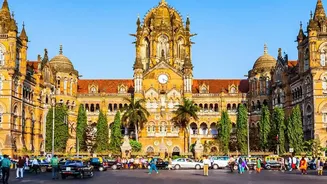
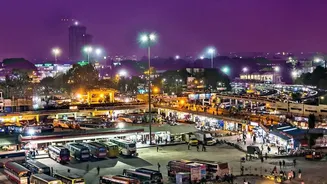
be exhausting, especially for families and the elderly. Indian Railways now actively manages crowds by implementing 'holding areas' at major stations like New Delhi, Patna, and Mumbai. These are designated spaces outside the main station building where passengers wait. Entry to platforms is regulated, often only being allowed closer to the train's arrival, to prevent dangerous overcrowding. Arriving excessively early might just mean you spend more time in a crowded holding area instead of the platform itself.
Finding Your Golden Window: The 90-Minute Rule
Instead of a vague 'early' arrival, aim for a strategic 'golden window'. For most major stations during the Diwali rush, arriving 90 minutes before your train's scheduled departure is ideal. This provides a comfortable buffer without subjecting you to hours of waiting. An official advisory from Western Railway even suggested arriving at least one hour before departure to avoid last-minute issues. Here’s how to break down that 90-minute window: 30 minutes for traffic and entry, 30 minutes for security and finding your platform, and a final 30 minutes as a safety net on the platform. This accounts for unexpected queues at baggage scanning and the time it takes to navigate crowded foot-over-bridges.
Leverage Technology Before You Leave Home
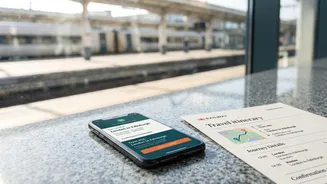
A smooth station experience begins with preparation at home. Before you even step out, use technology to your advantage. Download and check the official National Train Enquiry System (NTES) app. It provides the most accurate, real-time information on your train's status, including any delays, which can help you adjust your departure time from home. The NTES app's 'Live Station' feature shows all trains arriving and departing from a station in the next few hours, while 'Spot Your Train' gives you the exact location of your train. Knowing your train is running on time (or is an hour late) is the single most important factor in deciding when to leave for the station. Also, confirm your PNR status and have both digital and printed copies of your ticket ready.
Navigating the Station Chaos
Once you arrive, stay focused. Heed the crowd control measures put in place by the Railway Protection Force (RPF) and other staff. They often create unidirectional flows for passengers on foot-over-bridges and platforms to maintain order. Rely on the official digital display boards for platform numbers, as these are sometimes announced only 30-60 minutes before departure. Be aware that during peak festival times, the sale of platform tickets may be suspended at major stations to reduce non-passenger crowds. This means friends and family who are not travelling may not be allowed onto the platform. Finally, travel as light as possible. Navigating a crowded station with minimal luggage is significantly easier and less stressful.
Special Considerations for Your Journey
Your ideal arrival time can also depend on your personal circumstances. If you are travelling with children, elderly parents, or a person with special needs, you might want to add an extra 30 minutes to your 90-minute window. While platform ticket sales might be suspended for the general public, exemptions are often made for those assisting vulnerable passengers. If you have heavy luggage, factor in time to find and negotiate with a licensed porter (coolie). Also, remember that Indian Railways prohibits carrying flammable items like firecrackers, kerosene, and gas cylinders on trains, with strict checks in place during the festive season. Ensuring your luggage is compliant will prevent delays at security.