





The Rainfall Paradox Explained
A 'weak' monsoon refers to the total volume of rainfall over the entire season being below average. However, this overall deficit doesn't mean the rain is gentle and evenly spread. Increasingly, climate change is causing monsoon rainfall to become more
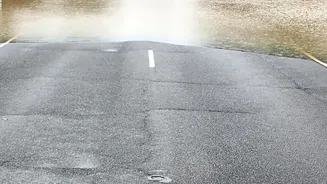
erratic. Instead of steady showers over many days, we are experiencing long dry periods punctuated by short, extremely intense bursts of rain. A warmer atmosphere can hold more moisture, leading to heavier downpours when it finally does rain. This pattern of extreme rainfall events, even within a drier-than-average season, is a primary driver of flash floods, as the ground and our infrastructure simply cannot handle that much water all at once.
Why Our Cities Drown
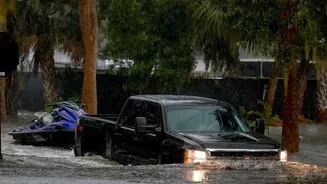
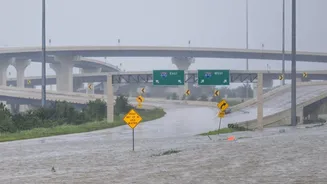
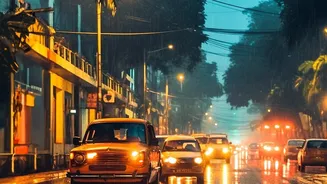
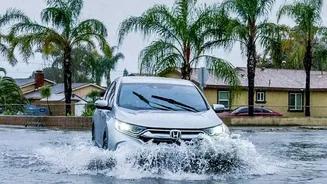
Urban areas are uniquely vulnerable to this new rainfall pattern. Decades of unplanned urbanisation have turned our cities into concrete jungles. Permeable surfaces like soil and wetlands, which act as natural sponges, have been replaced with asphalt roads and concrete buildings. Water has nowhere to go. This issue is compounded by outdated or poorly maintained drainage systems, which are often clogged with solid waste and silt, and were never designed to handle the volume of water from today's intense cloudbursts. As a result, even moderate rainfall can cause severe waterlogging because the city's drainage network is overwhelmed, a phenomenon that turns a weather event into a man-made disaster.
The Village Viewpoint
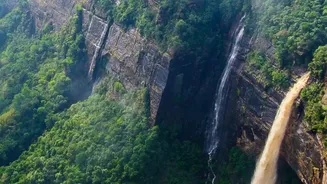
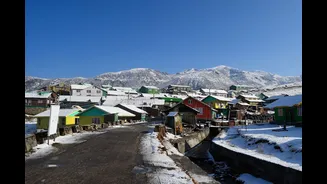
In rural areas, the challenges are different but equally severe. After a long dry spell, which is common during a weak monsoon, the topsoil becomes hard and less permeable. When a sudden, intense downpour occurs, the water doesn't get absorbed into the ground. Instead, it runs off the surface rapidly, carrying away fertile topsoil and causing flash floods in low-lying areas. This not only destroys standing crops but also damages rural infrastructure like roads and houses. Furthermore, deforestation in the catchment areas of rivers means there are fewer trees to slow down the water flow, leading to faster and more destructive riverine floods that can inundate vast swathes of agricultural land and entire villages.
A Man-Made Problem
While erratic rainfall is a natural hazard, the resulting floods are largely a man-made crisis. In cities, the encroachment on floodplains and the filling up of lakes and ponds for construction have destroyed the natural buffers that once protected urban areas. Inadequate urban planning and the failure to upgrade drainage infrastructure are governance issues that amplify flood risk. Similarly, rural vulnerability is increased by land-use changes and a lack of investment in climate-resilient agriculture and water management systems. The growing frequency of these floods shows that our current approach is reactive rather than preventative, focusing on disaster response instead of addressing the root causes of why these events are so destructive in the first place.