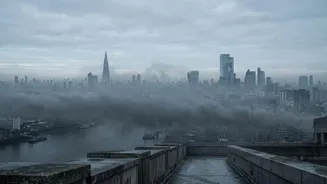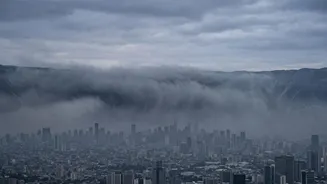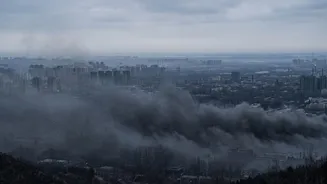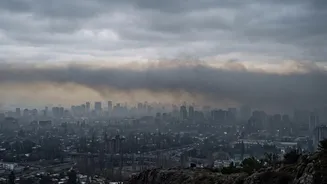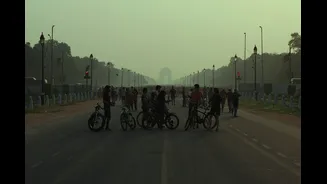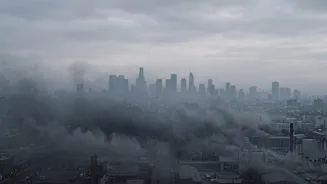




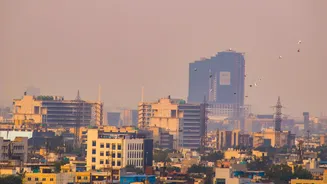
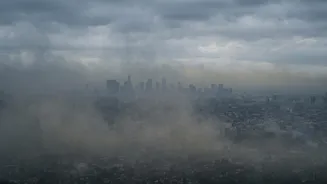
The familiar sting in the air and the hazy, grey skyline have returned to Delhi. As November gets underway, the city’s Air Quality Index (AQI) has once again plunged into the 'very poor' category, signaling the start of the annual pollution season.
Grasping the 'Very Poor' Air
On
Monday, November 2, 2026, Delhi’s average Air Quality Index (AQI) was recorded at 310, firmly in the 'very poor' category. Some real-time monitors even showed the AQI peaking above 500, which is classified as 'severe' or 'hazardous'. An AQI in the 301-400 range, classified as 'very poor', can lead to respiratory illness on prolonged exposure. For residents, this means an increased risk of breathing discomfort, throat irritation, and persistent coughs, especially for vulnerable populations like children, the elderly, and those with pre-existing health conditions.
The Meteorological Trap
The primary reason for this sharp decline in air quality is the weather. During winter, particularly in October and November, wind speeds over the Indo-Gangetic Plains drop significantly. Calm and cool air is denser, and it settles closer to the ground, creating a phenomenon known as a temperature inversion. This acts like a lid over the city, trapping pollutants and preventing them from dispersing. According to the India Meteorological Department, conditions with average wind speeds below 10 kmph are unfavorable for clearing pollutants. This meteorological trap means that all emissions generated in and around the city are locked in, accumulating day after day.
A Familiar Mix of Pollutants
While the weather creates the perfect conditions for a pollution crisis, the sources of the emissions are a familiar combination of factors. Stubble burning in the neighbouring states of Punjab and Haryana, a post-harvest practice to clear fields, contributes significantly to the particulate matter in Delhi's air. The contribution from farm fires to Delhi's PM2.5 pollution surged to nearly 19% over the weekend. However, local sources remain a huge part of the problem. Vehicular emissions, construction dust, and industrial pollution are major year-round contributors that get dangerously concentrated during these winter months. One analysis noted that Delhi's own traffic is still its biggest single source of pollution.
The Toll on Public Health
The health impacts of breathing such toxic air are severe and go far beyond a simple cough. The fine particulate matter, known as PM2.5, is small enough to penetrate deep into the lungs and enter the bloodstream. Shortterm exposure can trigger asthma attacks, bronchitis, and increase the risk of heart attacks and strokes. Longterm, chronic exposure is linked to a host of debilitating conditions, including reduced lung capacity, heart disease, cognitive decline, and even cancer. Children are especially vulnerable; studies have shown that Delhi's air pollution has caused irreversible lung damage in over two million children.
What Action Is Being Taken?
In response to the deteriorating air quality, authorities have implemented measures under the Graded Response Action Plan (GRAP). Stage 1 of GRAP was invoked in late October, and further restrictions on vehicles came into effect on November 1. These rules ban the entry of diesel vehicles that do not meet BSVI emission standards from other states and restrict certain construction and demolition activities. Government and private offices have also been advised to operate with $50%$ staff capacity to reduce traffic congestion. While these are emergency measures designed to prevent the air from getting worse, they are not considered a long term solution to the recurring crisis.