

Plan Around the 2026 Onam Calendar
Understanding the festival's schedule is the first step. For 2026, the Onam season kicks off on August 16, with the main and most important day, Thiruvonam, falling on Wednesday, August 26. The key public holidays and the most significant travel surge
will occur between August 25 and August 28. To manage the rush, both Indian Railways and the Kerala State Road Transport Corporation (KSRTC) are operating hundreds of special services, primarily between August 21 and September 3, connecting major hubs like Bengaluru, Chennai, and Hyderabad to Kerala. Knowing these peak windows helps you decide whether to travel just before the main rush or join in the heart of the festivities.
Book Flights and Trains Far in Advance
Spontaneity is not your friend during Onam. Flights into Cochin International Airport (COK), the state's main gateway, can become 20-30% more expensive during the festival week. To secure reasonable fares, it's advisable to book your tickets at least six to eight weeks in advance. Similarly, with thousands of non-resident Keralites returning home, trains are incredibly crowded. Southern Railway has announced 112 special train services for 2026 to cope with the demand, nearly double the number from the previous year. Even with these additions, booking your train tickets the moment they become available is crucial to avoid disappointment.
Secure Accommodation Before You Go
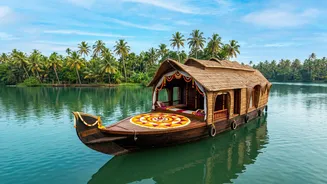
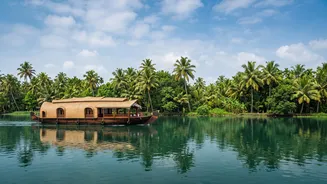
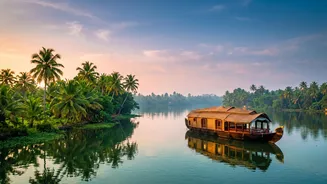
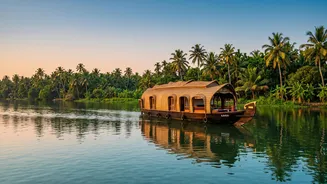
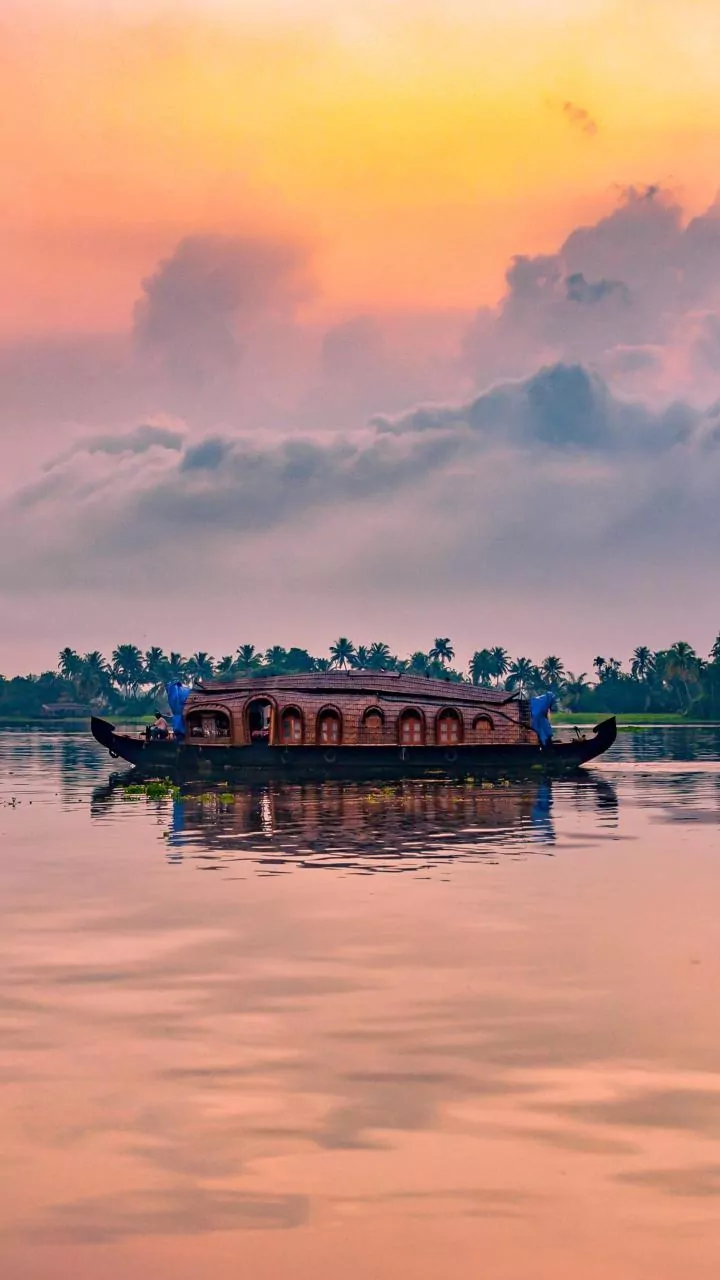
Onam is homecoming season, and hotels, resorts, and homestays fill up rapidly, especially in popular festival hubs like Kochi, Thrissur, and Alappuzha. Experts recommend booking your accommodation by June for a trip in late August. For a more authentic experience, consider heritage homestays, but be aware that these are also in high demand. If you're interested in a houseboat stay in the Alleppey backwaters—a unique way to experience Onam—it’s essential to reserve at least a month ahead, as these are among the first to be fully booked.
Think Strategically About Your Base Location
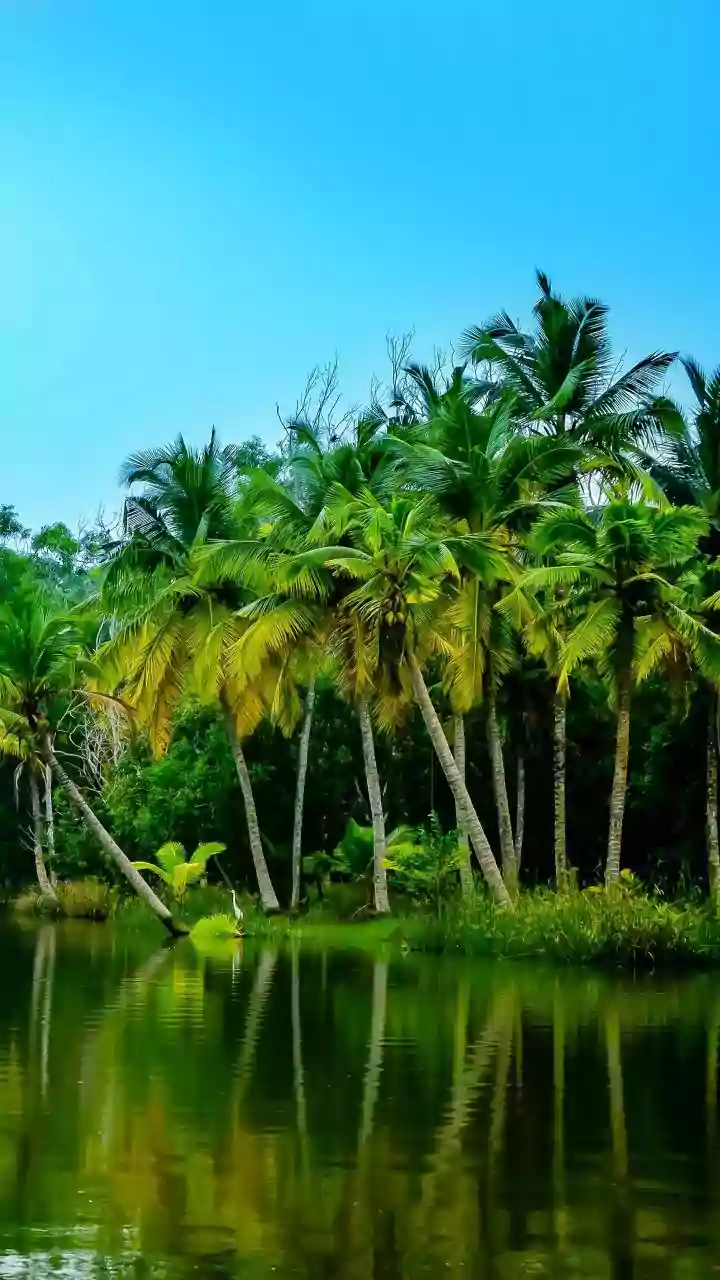
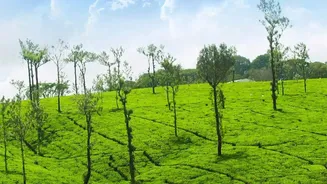
While cities like Thrissur, Trivandrum, and Kochi are epicenters of public celebrations, staying right in the heart of them can be intense. Consider setting up your base in a slightly less crowded town or a peaceful lakeside resort in places like Kumarakom. From there, you can make day trips to witness key events like the Pulikali (tiger dance) in Thrissur or the Athachamayam procession in Tripunithura, near Ernakulam. This approach allows you to enjoy the festivities without being overwhelmed by the 24/7 chaos. Another option is to explore less-crowded but equally beautiful areas like the hill stations of Munnar or the wildlife sanctuaries in Thekkady.
Navigating Local Transport and Crowds
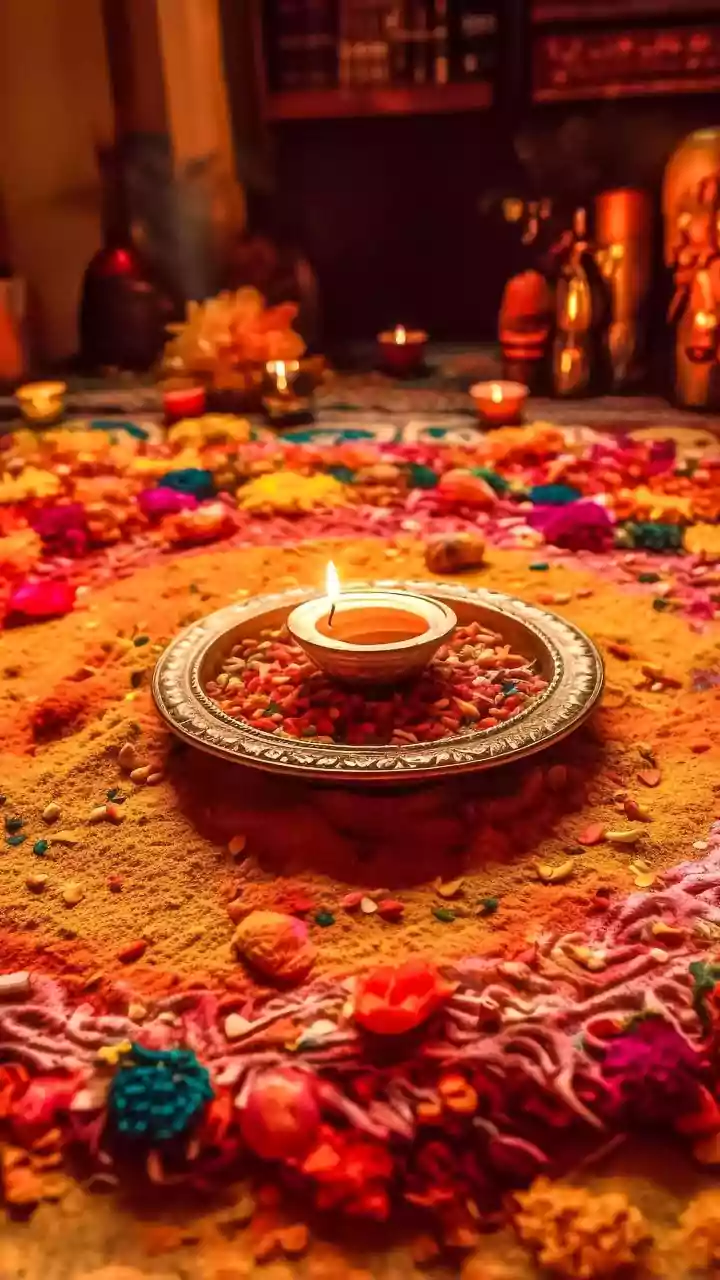
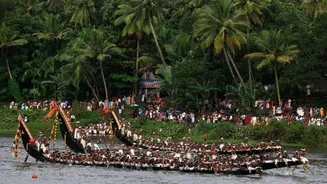
Once in Kerala, getting around requires patience. Roads around major event venues will be congested, and local traffic patterns may change. If you're driving, start early in the morning to avoid the worst of the traffic jams. For attending specific events like the famous snake boat races, plan to arrive hours early to find a good viewing spot. Respect local customs when you're in a crowd; for instance, don't step across a Pookalam (floral carpet) or interrupt a performance for a photo. Carrying light rain gear is also a good idea, as late August can still see intermittent showers from the receding monsoon.
Embrace the Spirit of the Festival
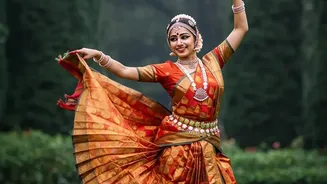
Handling the travel demand is ultimately about planning, but don't let the logistics overshadow the experience. Onam is a celebration of harvest, prosperity, and community. The highlight for many is the Onam Sadhya, a grand vegetarian feast with over 20 dishes served on a banana leaf. Many hotels and restaurants offer this feast, but for an authentic taste, consider booking a spot at a heritage hotel or a homestay. Remember that while Onam has roots in Hindu mythology, it's celebrated by people across communities in Kerala, making it a beautiful display of shared culture and hospitality.