


The Charm of a Natural Planter
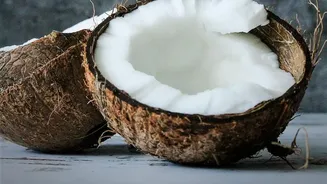
The appeal of a coconut shell planter is easy to understand. It’s a fantastic way to upcycle what would otherwise be kitchen waste, turning it into a beautiful home for a plant. These shells are completely biodegradable, meaning that unlike plastic pots,
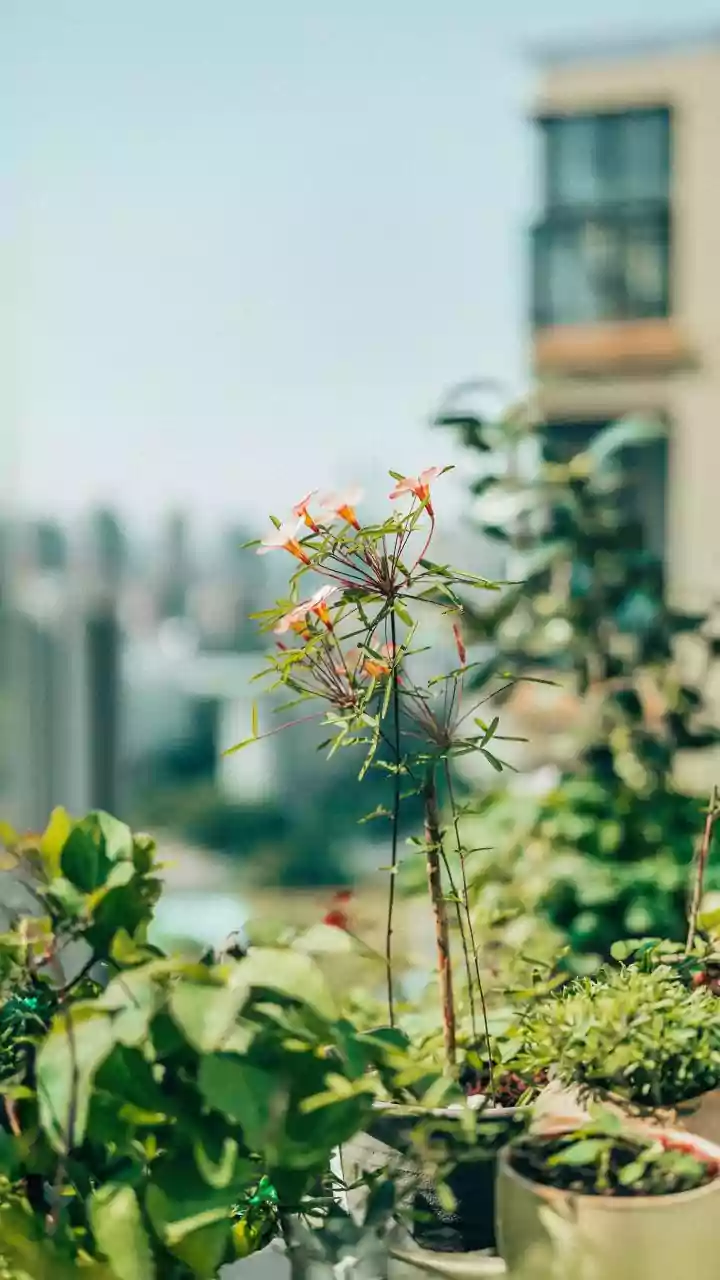
they won't linger in a landfill for centuries. Their natural, fibrous texture provides a rustic aesthetic that complements succulents, herbs, and small flowering plants perfectly. Beyond looks, the material itself offers benefits; the fibrous nature of coconut husks allows for good aeration and helps retain moisture while still allowing excess water to drain, which is crucial for healthy root development. It's an opportunity to bring a small piece of sustainable, tropical charm to your windowsill or balcony.
Getting Your Shells Ready
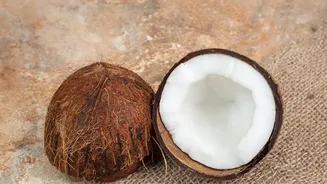
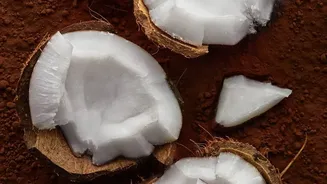
You can either purchase pre-cleaned shell halves or prepare your own. If you start with a whole coconut, the hardest part is often splitting it evenly. Once you’ve enjoyed the water and meat, thoroughly scrape the inside clean to prevent any leftover material from rotting. The next critical step is ensuring proper drainage. Most guides recommend drilling one or more small holes in the bottom of the shell. This prevents water from pooling, which can lead to root rot. If you plan to hang your planter, you will also need to drill a few evenly spaced holes around the rim to thread jute or rope through. For shells that will sit on a surface, you might need to sand the bottom to create a stable base or place it in a small ring to prevent it from tipping over.
Choosing the Right Plants
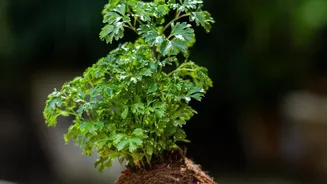
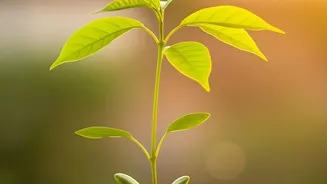
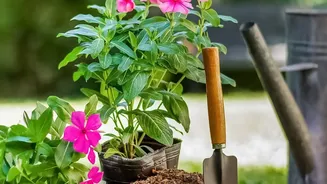
The small size of a coconut shell dictates what can comfortably grow inside. These planters are ideal for plants that don't require a lot of soil or deep root space. Succulents and cacti are popular choices because they are relatively low-maintenance and thrive in smaller containers. Many common herbs, such as mint and basil, also do well. Small flowering annuals, like pansies, can add a splash of colour. Coconut shells are also excellent for starting seeds; you can sow them directly in the shells and, once the seedlings are sturdy, transplant them into a larger pot or your garden. The key is to select plants that will not quickly outgrow their compact home.
Understanding the Practical Limits
While coconut shell gardening is practical and attractive, it has limitations, which is why it works best on a small scale. The primary constraint is size. A half shell doesn't hold much soil, which means plants will have limited room for root growth and may require more frequent watering and feeding. The second factor is durability. As an organic material, coconut shells will eventually decompose. While the hard shell is tougher than the fibrous husk and can last for a couple of years, it is not a permanent solution like a ceramic or plastic pot. Preparing a large number of shells can also be labour-intensive. For these reasons, coconut shells are best used for a handful of decorative plants rather than attempting to cultivate a large-scale garden.
Care and Long-Term Maintenance
Caring for plants in coconut shells is straightforward. Due to the limited soil volume, you'll need to monitor moisture levels closely, especially in warm or dry conditions, as they can dry out quickly. Ensure your plants receive adequate sunlight based on their specific needs. When a plant eventually outgrows its shell or when the shell itself begins to break down, you have a few sustainable options. You can gently transplant the plant into a larger container. The old shell, being biodegradable, can be broken into smaller pieces and added directly to your compost pile, where it will slowly add organic matter back into the soil. This completes the eco-friendly cycle, from kitchen waste to garden helper and back to the earth.