






Start With a Reality Check
Before the ten-day festival begins, take a moment to be honest about what you can realistically spend. A successful Onam budget is not about restriction; it is about control. The goal is to celebrate wholeheartedly without the stress of future debt. Look
at your current savings and decide on a total amount you are comfortable spending on the entire festival. This figure should come from money you already have, not from a credit card or next month’s salary. If you receive a festival bonus, a smart move is to decide its purpose upfront: allocate portions for celebration, savings, and any outstanding debt before you spend a single rupee. This single decision prevents the common trap of letting the entire bonus disappear into festive expenses.
List Your Festive Expenses
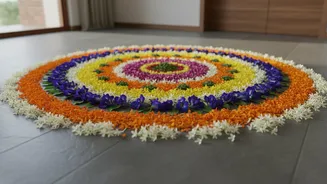
Onam spending often happens in a slow drip rather than one big purchase, making it easy to lose track. To get a clear picture, create a comprehensive list of all expected costs. Common Onam expenses typically include: the grand Onam Sadhya (either ingredients for a home-cooked meal or restaurant costs), new clothes for the family (Onakkodi), gifts for relatives, travel fares to get back home, and decorations like flowers for the daily Pookalam. For many working outside Kerala, travel can be the single largest expense, with fares peaking during the festival week. Don't forget smaller items like snacks, tickets for cultural programs, or community sadhya contributions, as these can add up.
Allocate and Conquer
Once you have your total budget and your list of expenses, it's time to assign a spending limit to each category. This is the most crucial step in turning your plan into action. You might allocate a set amount for groceries for the Sadhya, another for Onakkodi, and a specific sum for gifts. This process helps you prioritise. For instance, if a home-cooked Sadhya is the highlight for your family, you might allocate more there and look for savings on decorations. A great way to enforce these limits is by using a digital budgeting app to create an 'Onam' category or even the traditional envelope method—placing the cash for each category in separate, labelled envelopes. Using cash can make you more mindful of your spending as you physically see the money being spent.
Track Every Rupee, Every Day
A budget is only effective if you stick to it, and tracking is how you do that. The 'drip' spending pattern of Onam makes it vital to log purchases as they happen. That small amount for flowers each morning for the Pookalam, the ingredients for a single dish, or a last-minute gift can be easily forgotten but can collectively derail your budget. Use a simple notebook or a free budgeting app on your phone to record every expense, no matter how small. This gives you a real-time view of where your money is going, allowing you to see which categories are on track and where you might need to cut back before it's too late.
Embrace Smart Shopping and DIY
Avoiding overspending doesn't mean compromising on the celebration's richness. Smart shopping can lead to significant savings. Plan your shopping trips with a list to avoid impulsive buys. Start shopping early to take advantage of sales and compare prices, especially for clothes. For the Sadhya, buying ingredients from wholesale markets can be cheaper, and cooking at home is usually more cost-effective than booking a restaurant, especially for a large family. When it comes to decorations, embrace your creative side. Making your own Pookalam with locally sourced, cheaper flowers and leaves can be a fun family activity. You can also share the cost with neighbours by creating a communal Pookalam for your apartment building or street.