








Paddy (Rice): The King of Monsoon
It’s impossible to discuss rain-friendly crops in India without starting with paddy. As the primary Kharif (monsoon) crop, rice is uniquely adapted to water-logged conditions. Most high-yielding varieties require standing water in their early growth stages,
making the monsoon the perfect time for cultivation. The flooded paddies not only provide the necessary hydration but also help suppress weed growth. Beyond its water-loving nature, rice is a staple food for a majority of the Indian population, ensuring consistent demand. For small-scale farmers, cultivating traditional, region-specific rice varieties can also offer resilience against local pests and diseases. If you have the land and water resources, rice is one of the most dependable and rewarding crops to grow during the rains.
Maize (Corn): The Versatile Grain
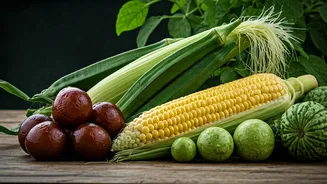
While not as water-intensive as rice, maize is another Kharif superstar that performs exceptionally well during the monsoon. It requires well-drained soil, as it doesn't tolerate waterlogging, but it thrives on the consistent moisture the rainy season provides. Its relatively short cultivation cycle—typically 90 to 120 days—allows farmers to get a quick return on their investment. Furthermore, maize is incredibly versatile. It's used as human food (bhutta!), animal feed, and a raw material for industrial products like starch and ethanol. This diverse demand provides a safety net for growers. Modern hybrid varieties offer higher yields and increased resistance to common monsoon ailments like stalk rot, making maize a smart and profitable choice for many farmers across the country.
Millets: The Hardy Powerhouses
Millets like Jowar (Sorghum) and Bajra (Pearl Millet) are the epitome of resilience. These ancient grains are known for their ability to grow in less-than-ideal conditions, including areas with moderate to low rainfall. However, they are predominantly grown as Kharif crops because they can effectively utilise the moisture available during the monsoon without being overly sensitive to fluctuations. They are less susceptible to pests and diseases compared to other cereals and require fewer inputs like fertilisers. As health consciousness grows in India, the demand for millets is surging due to their high nutritional value. They are rich in fibre, protein, and micronutrients, making them a 'smart food'. For farmers in drier monsoon regions, millets are not just a safe bet; they are an increasingly lucrative one.
Turmeric and Ginger: The Golden Spices
The monsoon is the ideal planting season for underground rhizomes like turmeric and ginger. These spices love the warm, humid conditions and the ample moisture provided by the rains. They require well-drained loamy soil to prevent the rhizomes from rotting, but the consistent rainfall ensures vigorous vegetative growth. Both are long-duration crops, typically taking 8-10 months to mature, meaning they occupy the land through the monsoon and are harvested in the dry winter months. The market for both spices is robust, both domestically for culinary and medicinal uses, and internationally. Growing turmeric or ginger can be a highly profitable venture, especially for those with smaller plots of land, as they command a high price per kilogram.
Gourds: The Fast-Growing Vegetables
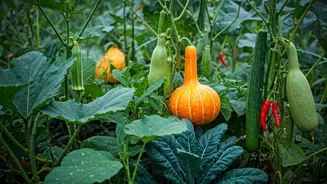
If you're looking for quick results in your kitchen garden or farm, look no further than gourds. Varieties like Lauki (Bottle Gourd), Karela (Bitter Gourd), and Turai (Ridge Gourd) are prolific growers during the monsoon. Their vines grow rapidly in the humid weather, and they begin producing fruit within a couple of months of planting. These vegetables are staples in Indian cuisine, ensuring steady local demand. While they need support structures like trellises to climb, this method also helps improve air circulation and reduces the risk of fungal diseases that can be common in wet conditions. Their ability to produce a continuous harvest throughout the season makes them a reliable source of both food and income.
Soybean: The Protein-Rich Pulse
Soybean has emerged as one of the most important Kharif crops in central and western India. It thrives in the monsoon climate, requiring moderate rainfall and warm temperatures for optimal growth. As a legume, it has the added benefit of fixing atmospheric nitrogen in the soil, which improves soil fertility and reduces the need for chemical fertilisers for subsequent crops. This makes it a fantastic choice for crop rotation systems. The demand for soybean is driven by the booming poultry industry (for feed) and the edible oil market. Its versatility and soil-enhancing properties make it a crop that rarely disappoints, delivering both economic and agronomic benefits.