




Choose Fabrics That Fight Moisture
The first line of defence against monsoon dampness is your choice of clothing fabric. While cotton is normally breathable, it absorbs a lot of moisture and takes a very long time to dry, making it a poor choice for the rainy season. Instead, opt for synthetic
fabrics like polyester and nylon, which are naturally water-repellent and quick-drying. Blended fabrics, such as cotton-polyester or those mixed with rayon, offer a great compromise, providing the softness of cotton with improved drying times. For a natural alternative, lightweight wool and modal are excellent at wicking moisture away from the body and resisting odours, even when damp. Packing garments made from these materials ensures that even if you do get caught in a shower, your clothes won't stay soggy for long.
Master the Art of Waterproof Packing
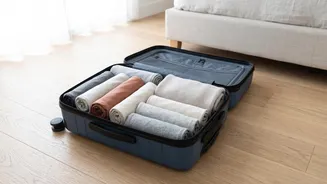
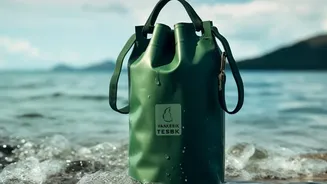
Your packing strategy is crucial. Don't just place clothes directly into your carry-on. Instead, create multiple barriers against moisture. Waterproof packing cubes are a traveller's best friend, allowing you to compartmentalise outfits while adding a layer of protection. For a more budget-friendly approach, simple zip-top plastic bags work wonders. You can group items together—one bag for shirts, another for socks and underwear. For critical items like electronics or a single, guaranteed-dry outfit for arrival, consider investing in a proper dry bag, the kind used by kayakers. This creates an impermeable seal, ensuring its contents remain bone-dry no matter what. A multi-bag system not only organises your carry-on but also contains any dampness from a used garment, protecting the rest of your clean clothes.
Harness the Power of Desiccants
Humidity is the unseen enemy that can make clothes feel damp and smell musty even if they never see a drop of rain. To combat this, deploy desiccants within your luggage. You know those little silica gel packets that come with new shoes and electronics? Start saving them. Tossing a few of these into your carry-on, and even into individual packing cubes, can absorb ambient moisture and prevent mildew and odours from developing. They are especially useful for protecting electronics from humidity damage. For a more powerful option, you can purchase activated carbon pouches or calcium chloride packs, which are highly effective at pulling moisture from the air. Place one at the bottom of your bag and another near the top for even distribution.
Select the Right Type of Carry-On
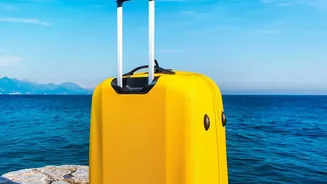
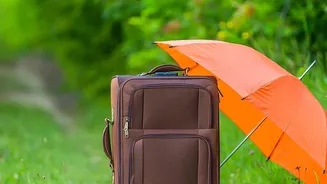
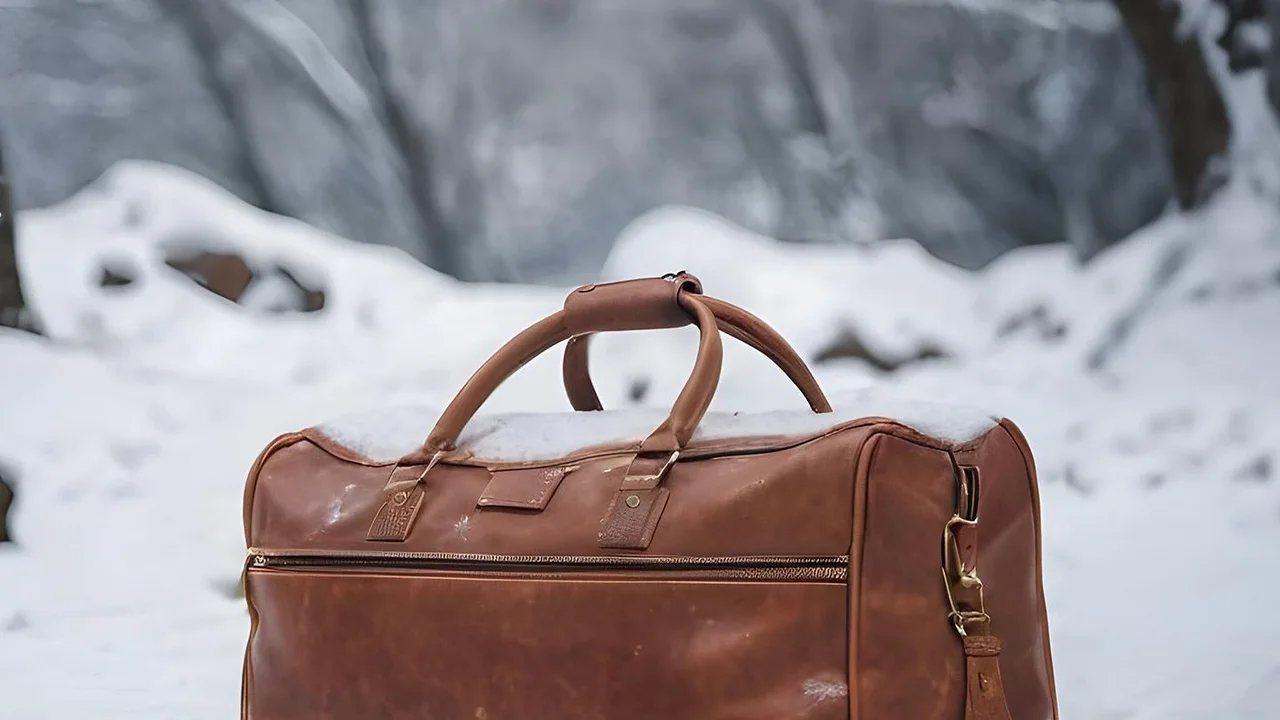
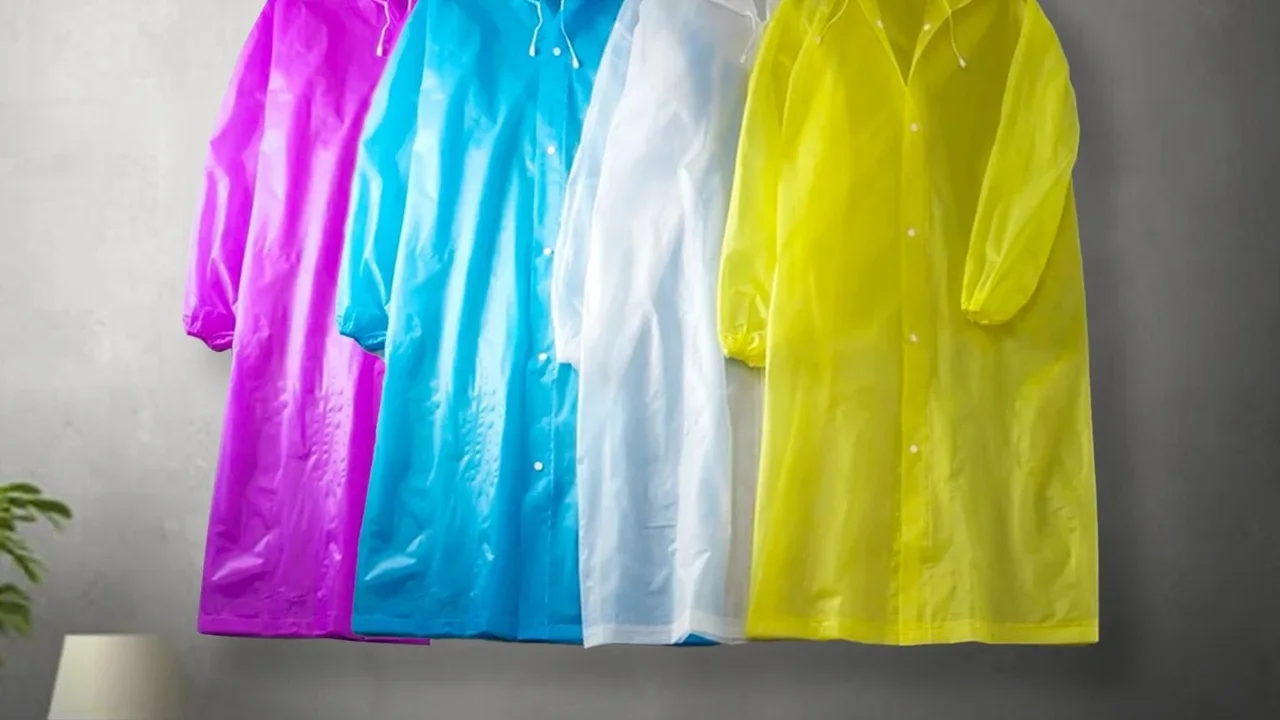
While internal packing is key, the bag itself plays a significant role. Hard-shell suitcases made from polycarbonate or similar materials are naturally more water-resistant than their soft-sided counterparts. Rain simply rolls off the non-porous surface. Soft-shell bags, typically made of nylon or polyester, often rely on a durable water repellent (DWR) coating that can wear off over time, and their zippers can be weak points where water seeps in. If you prefer a soft-sided bag or backpack for its flexibility, ensure you have a dedicated rain cover for it. A good rain cover is lightweight, packs down small, and can be deployed quickly to protect your entire bag during a sudden downpour.
Adopt a Smart Unpacking Routine
Your monsoon-proofing efforts shouldn't end when you reach your hotel. As soon as you arrive, open your suitcase to let everything breathe. Don't leave clothes compressed in packing cubes for your entire trip. Hang everything up, even items that feel dry. This allows any residual moisture absorbed from the humid air to evaporate, keeping them fresh for when you need them. If you have clothes that got wet, pack them in a separate, sealed plastic bag to keep them from making your other items damp and musty. Giving your clothes a chance to air out daily is a simple but highly effective habit for staying ahead of the dampness.