





Beyond the Price Tag
In the world of travel booking, price has always been king. We spend hours on comparison websites, tweaking dates and clearing cookies, all in pursuit of the lowest possible fare. While finding a good deal is satisfying, this singular focus often ignores
a crucial element that defines the entire travel experience: the journey itself. A cheap ticket can often mean punishingly tight connections, stressful transfers through chaotic airports, or multiple flights on airlines with varying quality. The small saving is quickly forgotten when you’re sprinting across a terminal or stuck in an uncomfortable seat for hours. The new mantra for smart travel is shifting from “what’s the cheapest?” to “what’s the smartest?” route. This means looking at the flight path not as a line item on a budget, but as the fundamental architecture of your trip.
What Is Good Route Design?
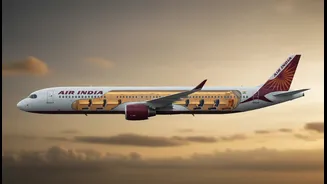
Route design is everything that happens between your origin and destination. It’s a combination of factors that, when optimised, creates a seamless, comfortable, and even enjoyable travel experience. Key components include the choice of connecting airport (the hub), the layover duration, the airlines operating the journey, and even the type of aircraft you’ll be flying on. A well-designed route might involve a slightly longer travel time but through a world-class airport where the layover feels like a mini-vacation. It might mean flying on a newer, more comfortable aircraft like an Airbus A350 or Boeing 787, which offer benefits like lower cabin altitude and better humidity, leaving you feeling less fatigued. It’s about curating your travel, not just purchasing a ticket.
The Hub Airport Advantage
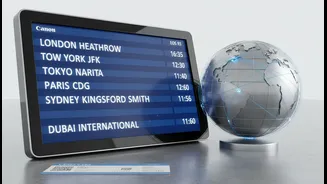
Not all airports are created equal. Choosing a route that transits through a superior hub can transform your journey. Airports like Singapore's Changi (SIN), Doha's Hamad International (DOH), and Dubai International (DXB) are consistently ranked among the world's best for a reason. They function less like transit points and more like destinations in their own right, offering everything from stunning architecture and gardens to swimming pools, cinemas, and incredible food. A two-hour layover in a cramped, confusing airport is stressful. A four-hour layover at an airport like Changi is an opportunity to relax, explore, and refresh. Furthermore, many airlines offer stopover programs, sometimes with free or discounted hotel stays, allowing you to turn a long layover into a multi-day exploration of a new city like Abu Dhabi, Lisbon, or Helsinki at little to no extra airfare.
The Rise of New Indian Gateways
This focus on route design is becoming even more relevant as India's aviation map expands. In 2026, a wave of new international flights has been launched not just from Delhi and Mumbai, but from Tier-II cities like Guwahati, Indore, and Kolkata. For years, travellers from these regions had to add a domestic leg just to start their international journey. Now, new direct routes from cities like Guwahati to Dubai and Abu Dhabi, or Kolkata to Shanghai, are simplifying travel for millions. These new connections offer more than convenience; they represent a strategic shift. They allow travellers to bypass the congested mega-hubs in India and start their international journey on a better footing. A direct flight from your home city, even if it leads to an international connection, is a massive upgrade in route design.
The Aircraft Makes a Difference
Most travellers don’t think about the specific model of plane they are booking, but it can have a major impact on comfort, especially on long-haul flights. A route on a wide-body aircraft like an Airbus A380 or Boeing 777 will feel more spacious than a narrow-body plane. Newer generation aircraft like the A350 and the Boeing 787 Dreamliner are engineered for passenger comfort, with higher cabin humidity and lower cabin pressure, which reduces jet lag and dehydration. Many flight booking sites now show the aircraft type in the flight details. When you have a choice between a 12-hour flight on an older Boeing 777 with a cramped 10-abreast seating layout versus a newer Airbus A350, choosing the latter is a smart move for a better experience, even if the fare is identical.