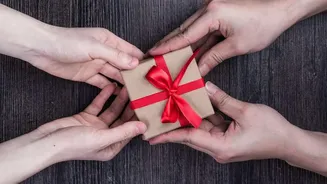




For years, the cellophane-wrapped hamper overflowing with an assortment of goodies was the undisputed king of Indian gifting. But a quiet revolution is underway, as givers and receivers alike begin to favour thoughtfulness over sheer volume.
The Waning Appeal of 'More'
The traditional
gift hamper was born from a desire to impress. It was a status symbol, a physical manifestation of generosity packed with exotic biscuits, assorted nuts, and jars of preserves that often gathered dust. But today, the 'more is more' philosophy is losing its lustre. Consumers are becoming more mindful about waste and excess. Concerns about the shelf life of edible items and the simple fact that many products in a generic hamper go unused are prompting a rethink. This shift reflects a broader cultural move away from quantity and towards quality and genuine utility. People are asking themselves: is this gift impressive, or is it actually useful?
The Rise of Personalisation
In an increasingly digital world, a personal touch goes a long way. The modern Indian consumer no longer wants a generic, one-size-fits-all gift. The trend is leaning heavily towards items that reflect the recipient's personality, tastes, and needs. This has fuelled a boom in customised gifts, from engraved accessories and photo mugs to monogrammed stationery. A personalised gift sends a clear message: 'I thought specifically about you'. It shows effort and a level of emotional investment that a pre-packed hamper rarely can. This move towards personalisation is evident in both personal and corporate gifting, where making an employee or client feel seen is now considered paramount.
A Nod to Sustainability and Conscious Living
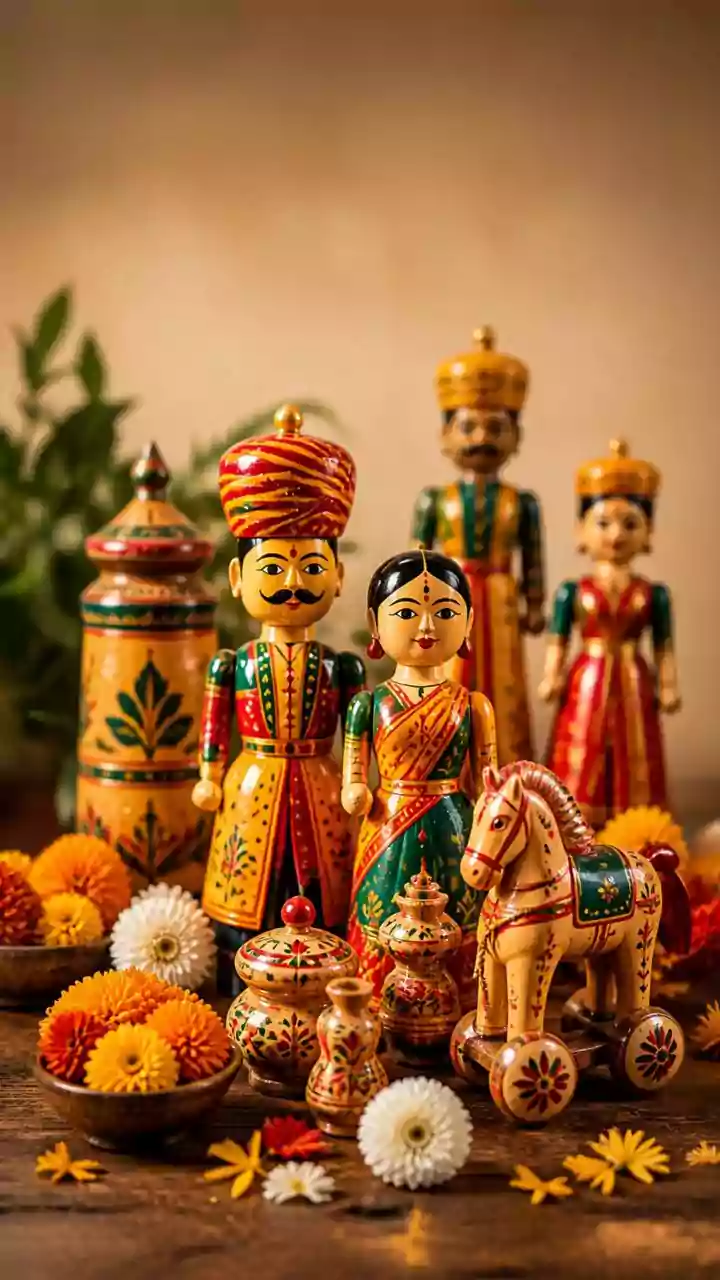
The growing awareness around sustainability is significantly influencing purchasing decisions, and gifting is no exception. Many are actively choosing to give and receive presents that are eco-friendly, ethically sourced, or support local artisans. This can take the form of handcrafted decor, reusable household items like high-quality water bottles, or products from small, local businesses. These gifts align with a more conscious lifestyle, where the environmental and social impact of a product is just as important as its monetary value. The appeal lies in giving something that not only delights the recipient but also does a little good in the world, a concept that a mass-produced hamper often cannot deliver.
The Value of an Experience
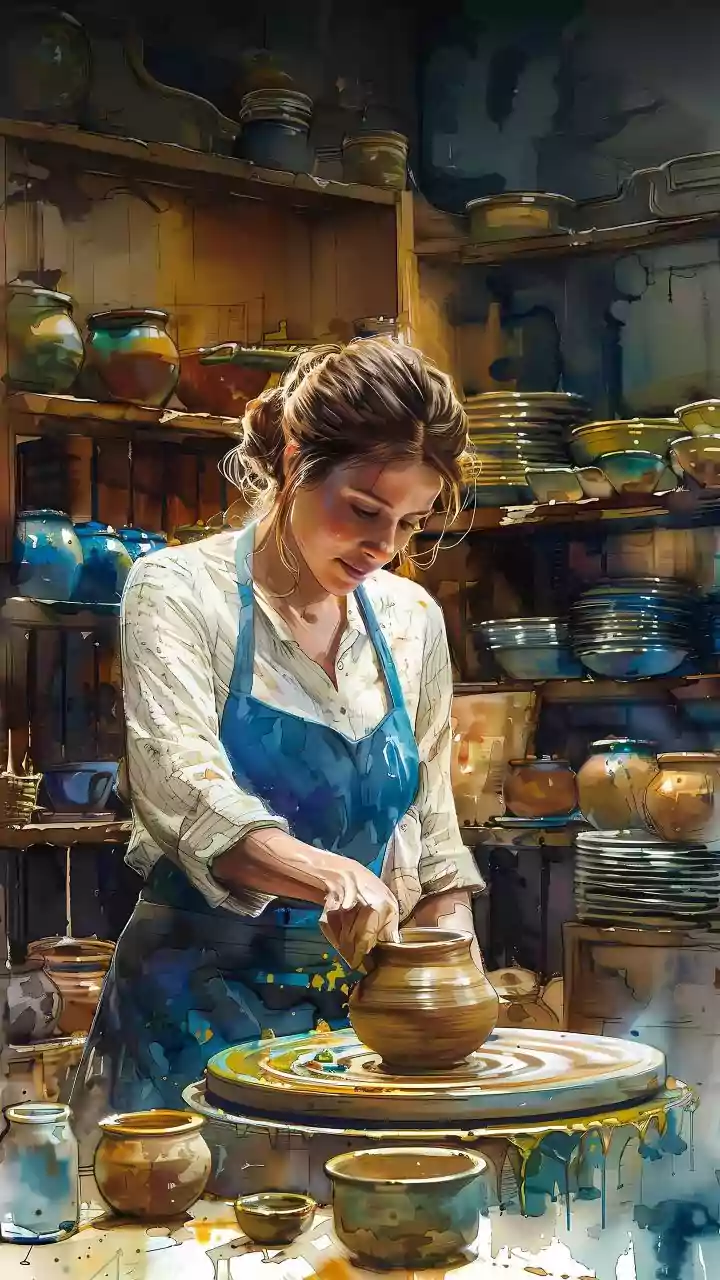
Perhaps the biggest rival to the material gift is the experiential one. In a world cluttered with 'stuff', the gift of a memory is becoming increasingly popular. People are opting to give workshops, subscriptions, travel vouchers, or curated meal kits. These gifts don't take up physical space but create lasting value and a story to tell. For instance, instead of a basket of snacks, one might gift a subscription to a gourmet coffee service or a voucher for a pottery class. This trend acknowledges that in an affluent society, time and new experiences are often a greater luxury than new possessions. It's a fundamental shift from owning things to doing things.
Practicality in a PoststPandemic World
Economic uncertainty and lifestyle changes have also played a crucial role in this evolution. Consumers are more budgetconscious and want to ensure their money is wellspent on something the recipient will genuinely use and appreciate. This has led to the rise of practical gifts, such as highquality gadgets, wellness products, or even premium versions of everyday essentials. The focus is on longterm value and usefulness. A single, highquality, durable item is now often seen as a better and more thoughtful present than a large basket filled with an assortment of disposable, novelty items.