

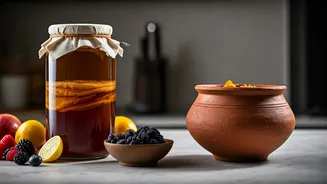



The Global Trendsetter: What is Kombucha?
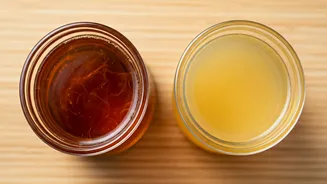
Walk into any upscale cafe or health food store, and you'll likely find colourful bottles of Kombucha lining the shelves. This effervescent, slightly tangy-sweet drink has its roots in ancient China but has become a global phenomenon. It is made by fermenting
sweetened black or green tea with a special starter culture called a SCOBY, which stands for Symbiotic Culture of Bacteria and Yeast. This gelatinous, pancake-like disc is the heart of the fermentation process, transforming the sweet tea into a beverage rich in probiotics, organic acids, and antioxidants derived from the tea. The result is a fizzy drink that is often positioned as a healthy alternative to sugary sodas. Its popularity has soared thanks to its unique taste and perceived health benefits.
The Desi Classic: Rediscovering Kanji
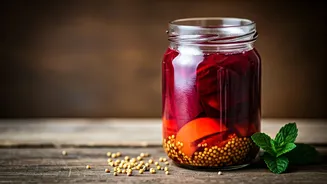
Long before kombucha became a household name in India, many families, particularly in the North, were brewing their own probiotic powerhouse: Kanji. This traditional drink is most famously made with black carrots (kali gajar), which give it a stunning ruby-red or deep purple colour. Unlike kombucha, Kanji doesn't require a SCOBY. Its fermentation is simpler, relying on the natural microbes present on the carrots, which are submerged in water with salt and ground mustard seeds. The mixture is left in the sun for a few days to ferment, a process that develops its signature tangy, savoury, and slightly spicy flavour. While black carrot is classic, variations with beetroot or regular carrots are also common. Kanji represents a return to a simple, effective, and culturally rooted wellness tradition.
A Tale of Two Tastes
When it comes to flavour, Kombucha and Kanji are worlds apart. Kombucha is known for its complex taste profile that is both sweet and tart, with a vinegary kick and natural carbonation that makes it fizzy. Its base flavour comes from the tea, but it's often infused with various fruits and spices, leading to a wide array of options from ginger-lemon to raspberry. Kanji, on the other hand, is distinctly savoury and earthy. Its primary flavours are tangy from the fermentation and pungent from the mustard seeds, with a salty undertone. It’s not sweet and is often described as an acquired taste, more akin to a brine or a savoury appetizer than a soft drink. Your preference will likely come down to whether you crave something sweet and bubbly or savoury and spiced.
The Immunity Showdown: Probiotics and Nutrients
Both drinks owe their 'immunity-boosting' reputation to probiotics—the beneficial bacteria that support a healthy gut. A healthy gut microbiome is fundamental to a strong immune system. Kombucha contains a mix of bacteria and yeast from the SCOBY. Kanji's probiotics come primarily from lacto-fermentation, featuring strains like Lactobacillus, similar to those found in pickles and curd. Some evidence suggests the bacteria in Kanji may be particularly well-suited to survive stomach acid. Beyond probiotics, their nutritional profiles differ. Kombucha offers antioxidants from its tea base, while Kanji is rich in nutrients from its vegetable base, such as anthocyanins (powerful antioxidants) and Vitamin A from black carrots. Kanji is also naturally low in sugar, as the fermentation consumes the natural sugars in the carrots, whereas kombucha starts with added sugar.
The Verdict: Which One Is For You?
There’s no single winner in this battle; the best choice depends on your personal preferences, budget, and health goals. If you're looking for a fizzy, low-calorie replacement for conventional soft drinks with a wide variety of flavours, Kombucha is an excellent choice. However, if you prefer a savoury, low-sugar, and cost-effective option that is easy to make at home with locally available ingredients, Kanji is the clear champion. For many in India, Kanji offers a chance to reconnect with a traditional health practice that is perfectly suited to the local palate and climate. It’s an affordable and sustainable way to incorporate beneficial probiotics into your diet. While you can enjoy both, don't overlook the humble, homegrown hero in favour of the trendy global import.