


A Renaissance in the Rice Bowl
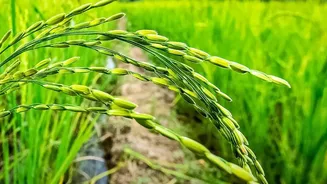
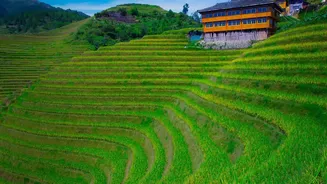
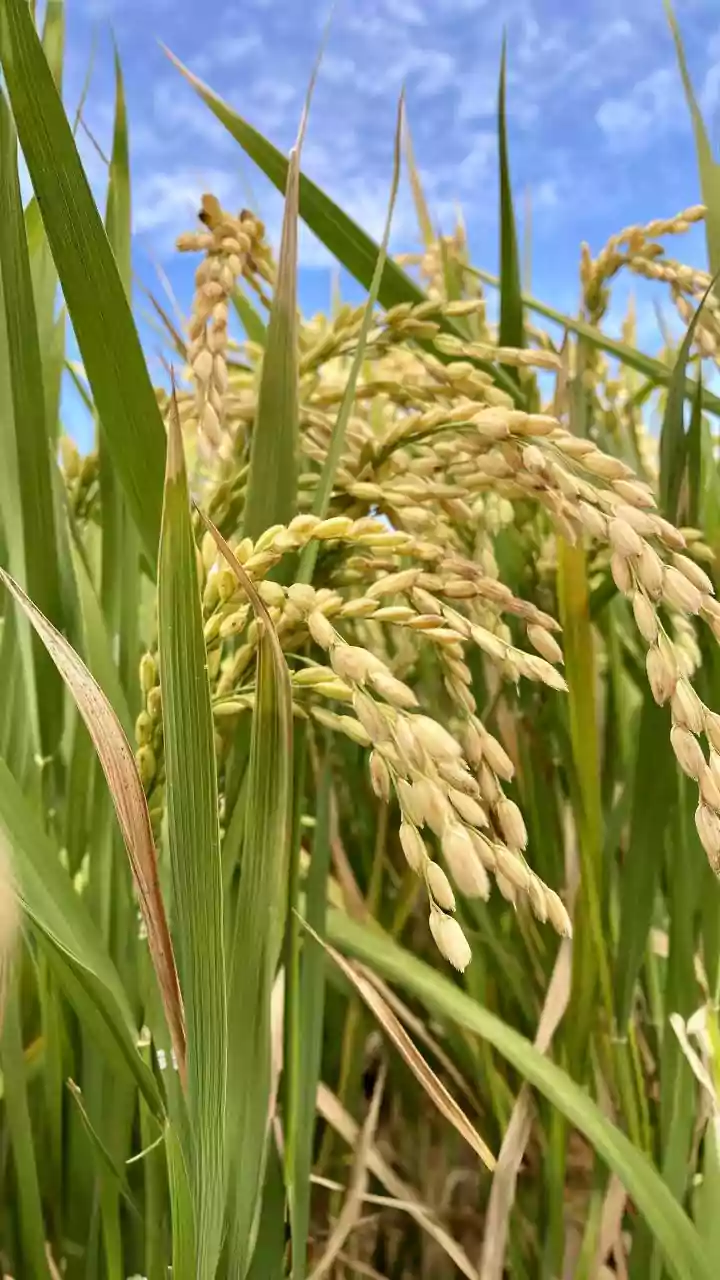
For decades, Indian agriculture prioritised high-yield, uniform crops to ensure food security. While successful, this focus led to the decline of thousands of indigenous rice varieties, each with its own unique flavour, texture, and connection to a specific
region. Now, a quiet revolution is underway. Driven by a renewed interest in health, heritage, and authentic flavours, urban consumers and home cooks are looking beyond the supermarket standards. This curiosity is creating a market for farmers and collectives dedicated to reviving ancestral grains that are often more nutritious, climate-resilient, and packed with character.
Spotlight on Regional Stars
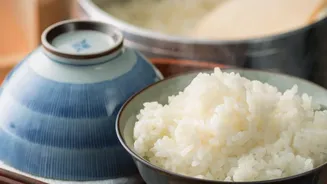
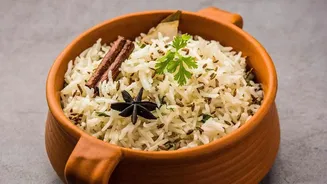
This revival is best understood through the grains themselves. In West Bengal, Gobindobhog is a short-grained, sticky rice with a sweet, buttery aroma. Its name translates to "offering to Govinda," reflecting its traditional use in religious ceremonies and festive dishes like payesh and khichuri. Awarded a Geographical Indication (GI) tag in 2017, its authenticity is protected, ensuring the unique qualities derived from the region's alluvial soil remain intact. From Assam comes Joha, a short-grain aromatic rice celebrated for its delicate texture and natural fragrance. Unlike the longer basmati, Joha is soft and cooks quickly, making it versatile for both daily meals and special pulaos. It is also prized for its health benefits, including being rich in antioxidants and having a lower glycemic index, making it easier to digest. Meanwhile, Manipur offers Chak-Hao, the striking glutinous black rice. Once cooked, its dark hue turns a deep purple, and it has a nutty flavour. Rich in fibre and antioxidants, it was also granted a GI tag in 2020. Traditionally used in community feasts and to make kheer, Chak-Hao is now recognized as a superfood, gaining popularity for its nutritional profile.
Why Now? Health, Heritage, and Connection
Several factors are fuelling this trend. A growing number of consumers are more health-conscious, seeking out foods that offer more than just calories. Many heirloom varieties, from Tamil Nadu's Mappillai Samba (or "bridegroom rice") to red and black rice types, are richer in fibre, minerals, and antioxidants than their polished white counterparts. There's also a cultural pull—a desire to reconnect with culinary traditions that were almost lost. By choosing these grains, cooks are not just making a meal; they are participating in the preservation of agricultural biodiversity and cultural history. Furthermore, these native seeds are often better suited to their local environments. Many are naturally resilient to pests, floods, and soil salinity, requiring fewer chemical inputs and making them ideal for organic farming. This makes them a sustainable choice for both the environment and the farmer.
From Niche Farms to Urban Pantries
The journey of these heritage rices from remote farms to city kitchens is being facilitated by a new ecosystem. Farmer collectives and organisations are working to conserve and distribute these native seeds. They also create platforms like rice melas (fairs) to spread awareness and connect directly with consumers. Online stores and brands dedicated to organic and traditional foods have made it easier than ever for an urban cook to access varieties like Joha or Karuppu Kavuni. Chefs in top restaurants are also championing these grains, introducing them to diners and highlighting their unique culinary possibilities, further boosting their appeal.