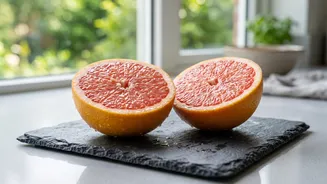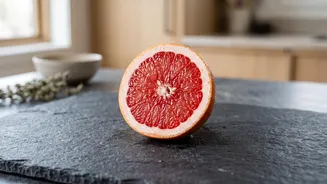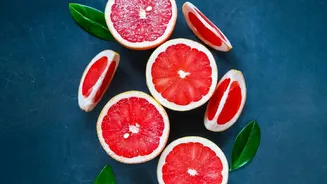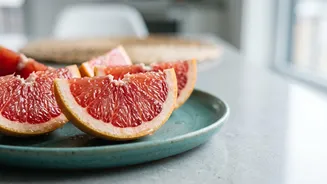







The Core of the Problem: The 'Grapefruit Effect'
You may have seen a small warning on your prescription label: 'Do not take with grapefruit'. This isn't just a casual suggestion; it's a critical instruction based on a well-documented phenomenon known as the 'grapefruit effect'. The issue isn't about
the fruit itself being unhealthy. Grapefruit is packed with Vitamin C and other nutrients. The problem arises from how natural compounds in the fruit interact with your body's ability to process, or metabolize, certain oral medications. When this process is disrupted, the amount of medication in your bloodstream can rise to potentially toxic levels. This can lead to a host of amplified side effects, and in some cases, serious health complications like muscle and liver damage.
The Science Behind the Risk
The key players in this interaction are compounds called furanocoumarins, which are found in grapefruit and a few other citrus fruits. These compounds interfere with a crucial enzyme in your small intestine and liver named cytochrome P450 3A4, or CYP3A4 for short. Think of CYP3A4 as a processing plant that breaks down many common drugs before they enter your bloodstream. When you consume grapefruit, the furanocoumarins essentially shut down this processing plant. As a result, instead of being partially broken down, a much larger dose of the medication gets absorbed into your body. This means a standard, safe dose can suddenly act like a much higher, potentially dangerous one.
Which Medications Are Affected?
The list of medications affected by this interaction is extensive and continues to grow. The U.S. Food and Drug Administration (FDA) has required warnings on many of them. They fall into several common categories, including: some statins used to lower cholesterol (like atorvastatin and simvastatin), certain blood pressure medications (like nifedipine), some anti-anxiety drugs, immunosuppressants for organ transplant recipients, and even some antihistamines. However, not every drug in a given category is affected. For example, while some statins pose a high risk, others are considered much safer to take with grapefruit. This makes it essential to check the specifics of your own prescription.
It’s Not Just Grapefruit
While grapefruit is the most famous culprit, it's not the only citrus fruit to be wary of. Other fruits containing furanocoumarins can cause similar interactions. These include Seville oranges (often used in marmalades), pomelos, tangelos (a hybrid of grapefruit and tangerine), and limes. Interestingly, some juices, like apple and regular orange juice, can have the opposite effect on certain drugs, like the antihistamine fexofenadine, by blocking transporters that help the drug get absorbed. This reduces the drug's effectiveness.
Why Spacing Out Doses Doesn't Work
A common misconception is that you can avoid the risk by simply consuming the citrus fruit a few hours before or after taking your medication. Unfortunately, this strategy is ineffective. The furanocoumarins cause what's known as 'mechanism-based inhibition', meaning they irreversibly deactivate the CYP3A4 enzymes. Your body must then produce entirely new enzymes to restore its drug-metabolizing function. This process isn't quick; the effect of a single glass of grapefruit juice can last for up to 72 hours. Therefore, complete avoidance is the only guaranteed safe approach if your medication is on the interaction list.