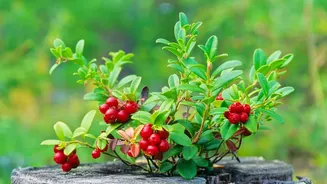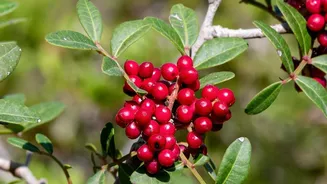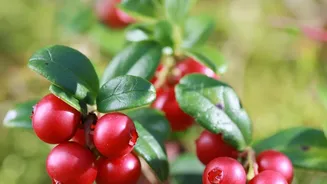





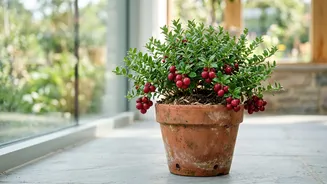

Dreaming of harvesting your own tart, ruby-red cranberries? It’s an achievable goal for home gardeners, but success hinges on one non-negotiable rule: getting the soil right. These unique plants have specific needs unlike most garden vegetables.
The Acid Test: Why pH Is Critical
Cranberry
plants (Vaccinium macrocarpon) are native to bogs, where the soil is naturally acidic. They belong to the same family as blueberries and rhododendrons, all of which are 'acid-loving' plants. Soil pH, a measure of acidity or alkalinity on a scale of 0 to 14, dictates which nutrients are available for a plant to absorb. For cranberries, the ideal soil pH is highly acidic, falling between 4.2 and 5.5. If the pH is too high (less acidic), the plant's ability to take up essential nutrients like nitrogen and iron is severely hampered. Instead, it may absorb an excess of other nutrients like calcium, creating a toxic imbalance that leads to poor growth, reduced fruit size, and lower yields.
Know Your Number: How to Test Your Soil
Before you even think about planting, you must test your soil's pH. Most garden soils are not naturally acidic enough for cranberries, typically falling in the 6.0 to 7.0 range. You can find simple, affordable DIY soil testing kits at most garden centres. These kits usually involve mixing a soil sample with a provided solution or powder and matching the resulting colour to a chart. For a more precise reading, you can send a soil sample to a professional lab or a local agricultural extension service. To get an accurate sample, use clean tools and collect soil from a few different spots in your intended planting area, about 6-8 inches deep, then mix them together.
Creating the Perfect Acidic Environment
If your soil's pH is above 5.5, you will need to amend it. One of the most effective and common methods for home gardeners is to incorporate sphagnum peat moss into the soil. Peat moss is naturally acidic and also helps with moisture retention, mimicking a cranberry's native bog environment. Mixing two parts peat moss with one part sand is a recommended base. Another powerful option is elemental sulfur. When added to soil, bacteria convert it into sulfuric acid, which effectively lowers the pH. This process takes time, so it's best to apply sulfur several months before planting. Always start with a lower application rate, as a small amount can cause a significant pH drop, especially in sandy soils.
Beyond Acidity: Sun, Water, and Spacing
While acidic soil is the foundation, other conditions are just as important for a healthy cranberry patch. Cranberries need full sun to produce a good crop. They also require consistently moist soil, but not waterlogged conditions. This is a common misconception; while commercial growers flood bogs for harvesting, the plants themselves do not grow underwater. Good drainage is crucial to prevent root rot. A dedicated bed prepared with a mix of peat and sand is ideal. When planting, space the young plants or cuttings about one to three feet apart to allow their vining runners to spread and form a thick mat.
Planting and Long-'Term Care
The best time to plant cranberries is in the spring. Once planted in their acidic bed, water them frequently until they are established and showing new growth. For the first couple of years, the focus is on developing a network of runners. A light application of a fertilizer for acid-'loving plants can be beneficial, but avoid over-'fertilizing, which encourages too much vegetative growth at the expense of fruit. Fruit is produced on the upright stems, not the runners. You can expect your first small harvest in about the third year after planting. To encourage more uprights, you can add a thin layer of sand over the vines every two to three years, which helps root the runners and promotes new growth.