

Why Your Eyes Are So Vulnerable
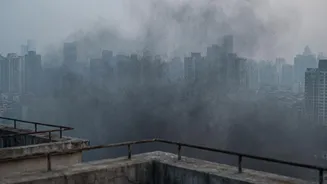
Unlike our lungs, which have some level of filtration through the nasal passages, our eyes are directly and constantly exposed to the environment. The moist surface of the eye, known as the conjunctiva, easily absorbs airborne pollutants. When the air is thick
with smog and particulate matter, these tiny irritants land directly on your eyes, disrupting the natural protective tear film that keeps them lubricated and clean. This initial contact is what kickstarts a cycle of irritation, inflammation, and the all-too-common redness that so many people in the city experience.
The Pollutants Causing the Damage
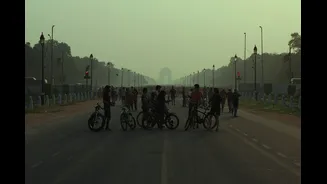
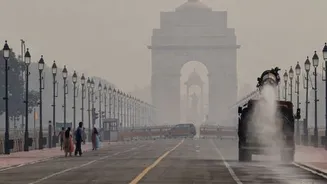
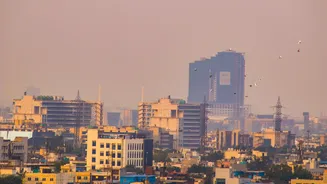
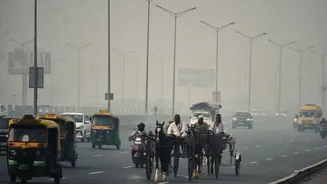
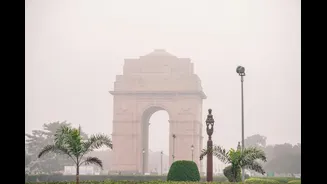
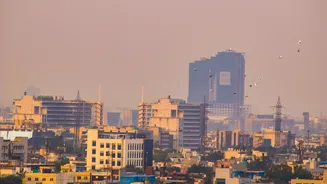
Delhi's air is a complex cocktail of harmful substances, each contributing to eye problems. Fine particulate matter (PM2.5 and PM10), which comes from vehicle exhaust, construction dust, and industrial emissions, is a major culprit. These microscopic particles can cause physical irritation, almost like having fine sand in your eyes. Additionally, harmful gases like nitrogen dioxide (NO2), sulfur dioxide (SO2), and ground-level ozone react with sunlight to form smog, which can lead to inflammation and trigger allergic reactions like allergic conjunctivitis. This constant assault weakens the eye's natural defenses, making it more susceptible to problems.
Symptoms Beyond Just Redness
While redness is the most visible sign, it's often accompanied by a host of other uncomfortable symptoms. Many people report a persistent burning or stinging sensation, especially after being outdoors. Other common complaints include excessive watering as the eyes try to flush out pollutants, or conversely, a feeling of dryness and scratchiness as the tear film evaporates. You might also experience itching, a gritty feeling, sensitivity to light, and even temporarily blurred vision. For those who wear contact lenses, these symptoms can be significantly worse, as lenses can trap pollutants against the eye's surface.
Simple Steps for Protection
Protecting your eyes starts with reducing exposure. When air quality is poor, try to limit your time outdoors. When you do go out, wear wraparound sunglasses or protective glasses to create a physical barrier against dust and pollutants. After returning home, wash your hands and face thoroughly to remove any lingering particles. It's crucial to avoid rubbing your eyes, as this can transfer irritants from your hands and worsen inflammation. Using an air purifier indoors can also significantly reduce the concentration of airborne irritants in your home and office.
Finding Relief for Irritated Eyes
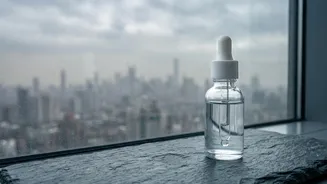
For immediate relief, you can gently wash your eyes with clean water to flush out irritants. Using preservative-free lubricating eye drops, often called artificial tears, can help restore moisture and provide a protective barrier. These are generally safe for frequent use and help combat the drying effects of pollution. On high-pollution days, it's wise to switch from contact lenses to glasses to prevent trapping irritants. If you wear eye makeup, consider avoiding it when your eyes feel uncomfortable, as products like kajal and mascara can sometimes aggravate allergies.
When to Consult an Eye Specialist
While many symptoms are temporary, you shouldn't ignore persistent issues. If you experience eye pain, a thick or coloured discharge, vision changes that don't clear up, or extreme sensitivity to light, it's time to see a doctor. Similarly, if redness and irritation continue for several days despite taking preventive measures, a professional consultation is necessary. An ophthalmologist can determine if you have a simple irritation, a more serious condition like an infection or chronic dry eye, and can prescribe the appropriate treatment, which might include specific anti-allergy or anti-inflammatory drops.