
Delhi is preparing for an unprecedented cultural takeover. A newly announced India Biennale is set to transform the capital into a living, breathing art gallery, weaving contemporary expression through its most cherished museums and historic public spaces.
A Landmark Moment for Indian Art
For art lovers and curious city dwellers alike, the announcement of a new India Biennale in Delhi marks a watershed moment. A biennale, an international art exhibition held every two years, is one of the most prestigious events in the global cultural calendar. By launching its own, Delhi joins the ranks of cities like Venice and São Paulo, which have long used these large-scale festivals to foster artistic innovation and cultural dialogue. The ambition is clear: to create a new centre of gravity for contemporary art in South Asia and to present Indian and international artists on a truly democratic and expansive stage. This isn't just another exhibition; it's a statement about the capital's evolving identity as a global cultural hub.
The City Becomes the Canvas
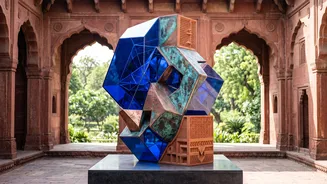
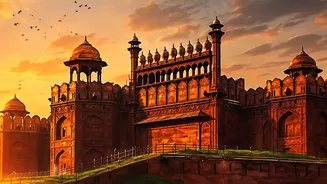
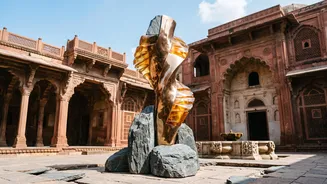
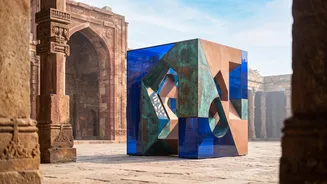
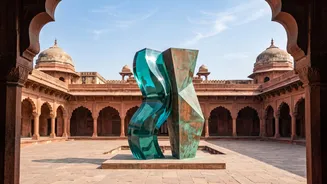
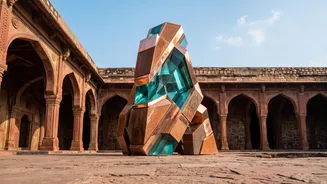
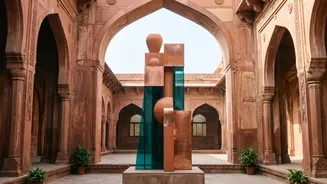
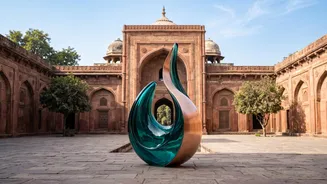
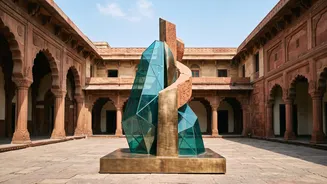
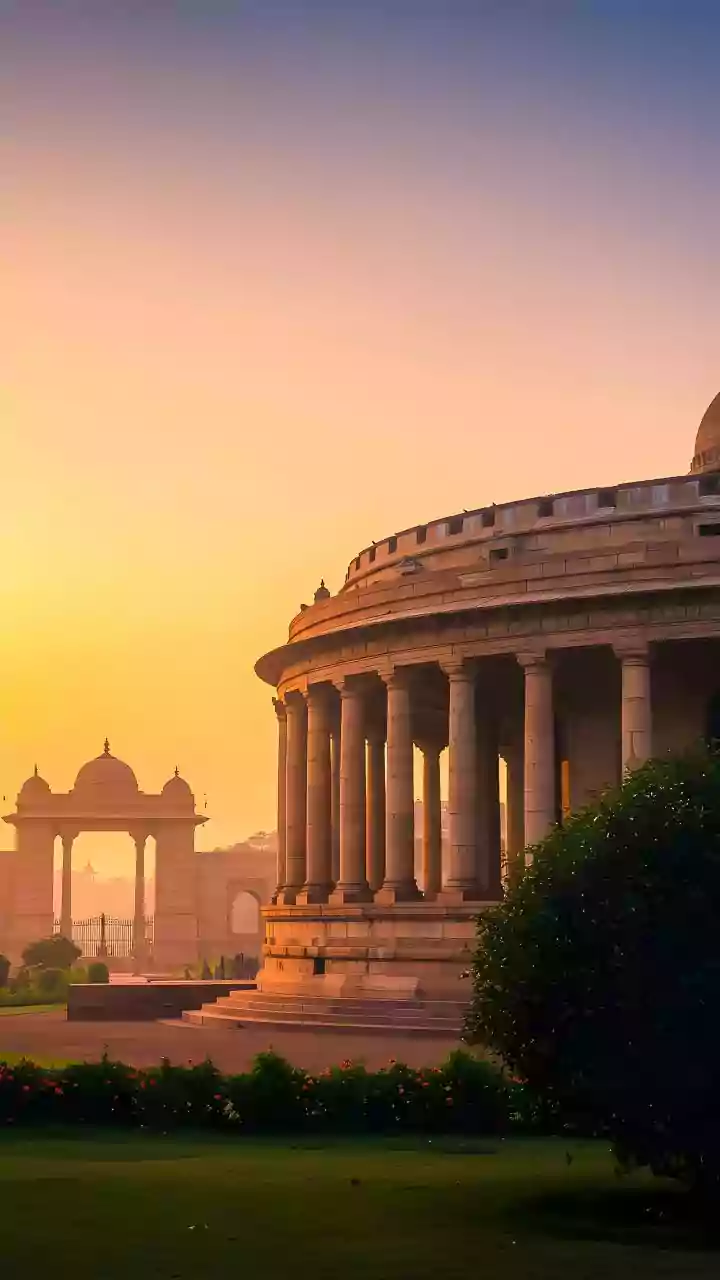
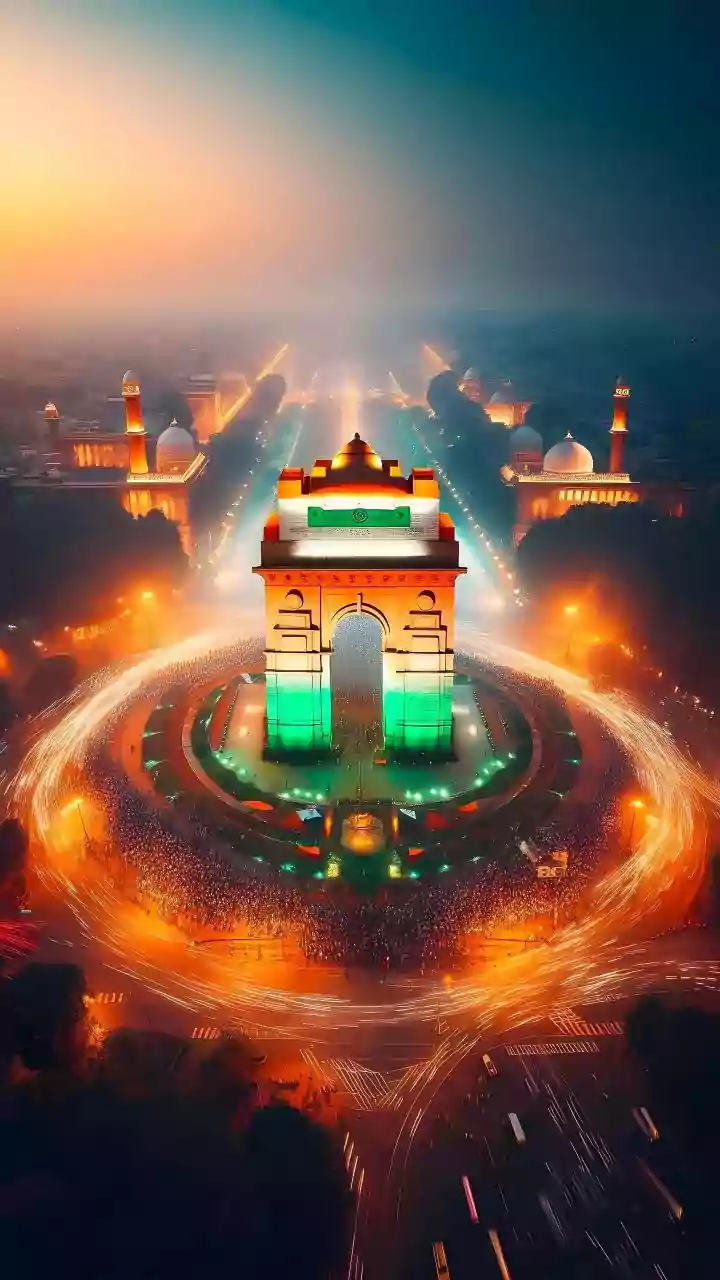
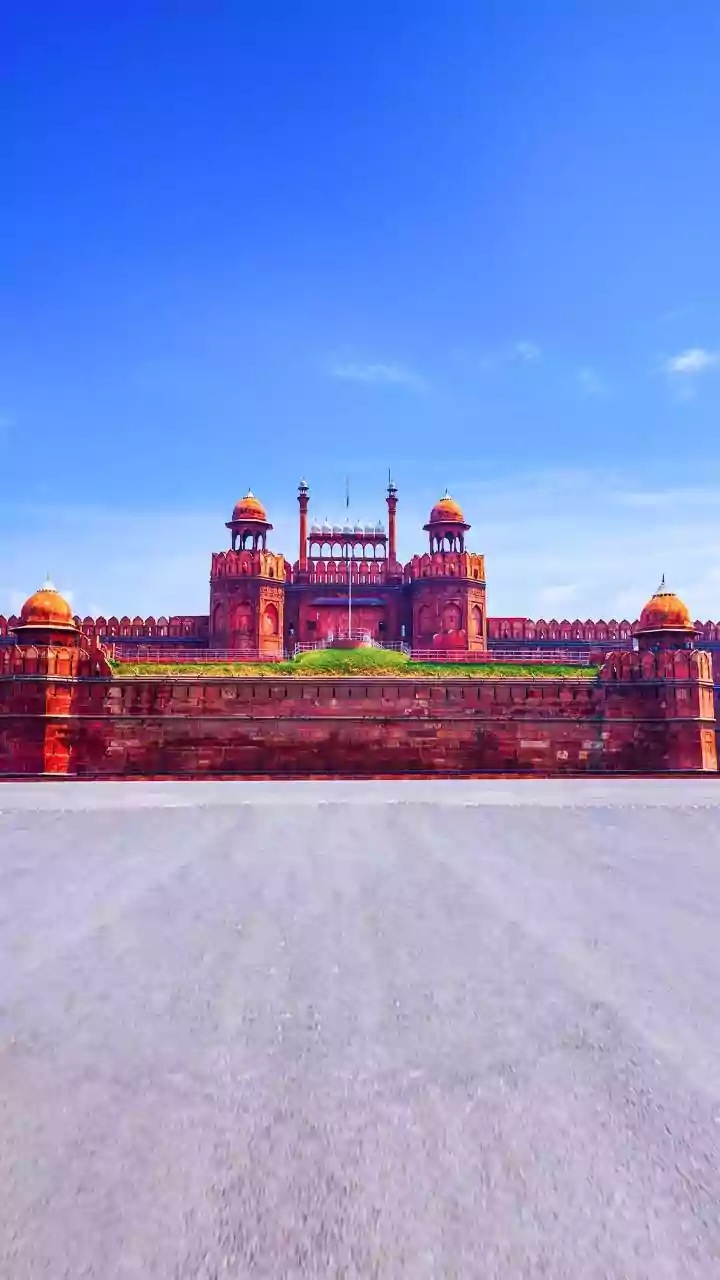
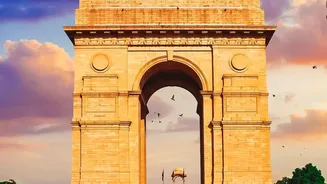
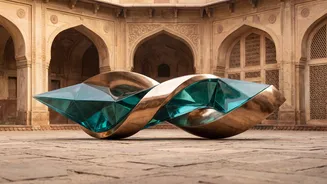
What makes this biennale uniquely compelling is its venue: the city of Delhi itself. The plan moves art far beyond the conventional 'white cube' of a gallery. Imagine site-specific installations interacting with the ancient stones of a centuries-old fort, or digital art illuminating the halls of a national museum. The exhibitions will be spread across a diverse array of locations, from state-of-the-art private museums and contemporary art galleries to iconic public landmarks and sprawling heritage parks. This approach encourages a dynamic conversation between the past and the present, inviting visitors to experience both art and the city's history in a completely new light. The journey between venues becomes part of the artistic experience, a curated exploration of Delhi’s layered urban fabric.
Making Art Accessible to All
At its core, the biennale’s city-wide format is an exercise in democratisation. By placing major artworks in public spaces, organisers aim to break down the invisible barriers that can sometimes make the art world feel exclusive or intimidating. It’s an open invitation for everyone — from seasoned collectors to students and families on a weekend outing — to encounter world-class art unexpectedly. This model fosters a more personal and spontaneous connection with creativity. You might stumble upon a thought-provoking sculpture while on a morning walk or find yourself captivated by a video installation in a familiar historical monument. The event is designed to spark curiosity and conversation, embedding art directly into the rhythm of daily life in the capital.
How to Navigate the Spectacle
With dozens of exhibitions spread across a major metropolis, tackling the India Biennale might seem daunting, but the key is to embrace the spirit of discovery. Organisers are expected to release detailed maps and thematic guides to help visitors navigate the various zones. A good strategy would be to focus on one neighbourhood or a cluster of venues each day rather than trying to see everything at once. Look out for curatorled walks, artist talks, and workshops that will offer deeper insights into the works on display. While some museum shows may require tickets, many of the public art installations will likely be free to view, making this a widely accessible cultural festival. It's an opportunity not just to see art, but to explore different corners of the city you may have never visited before.