



The dream of a seamless international trip is being held back by a surprising obstacle: paperwork. The global airline industry body warns that outdated and complex immigration rules are discouraging potential travellers and hindering growth.
A Growing Barrier to Travel
The International
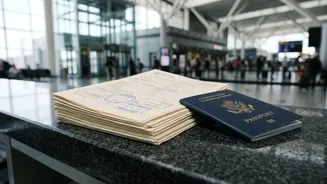
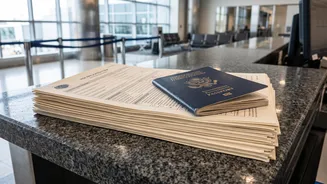
Air Transport Association (IATA) has raised concerns that cumbersome and complicated immigration procedures are increasingly causing people to cancel or avoid international trips. According to IATA's 2026 Global Passenger Survey, 43% of travellers reported being discouraged from visiting a destination due to its entry requirements. This marks a significant jump from 33% just a year prior, highlighting a growing frustration among global passengers. The main culprit isn't the cost of a visa or privacy concerns, although they are factors. Instead, 53% of those deterred by the process pointed to sheer complexity as the biggest issue. This data suggests that confusing application forms, inconsistent requirements, and lengthy processing times are creating a tangible drag on the travel industry, turning potential tourists and business travellers away before they even book a flight.
The Economic Cost of Friction
This 'administrative friction' has real-world economic consequences. Every traveller discouraged by a difficult visa process represents lost revenue for a country's tourism sector, including hotels, restaurants, and local attractions. The impact is felt most acutely in certain regions. The IATA survey revealed that travellers in Africa and the Asia-Pacific were the most likely to be put off by immigration hurdles, at 52% and 49% respectively. For nations banking on tourism to drive economic growth, these figures are a significant warning. The airline industry itself, while forecasting modest growth, faces headwinds. While factors like geopolitical tensions and fuel prices play a role, IATA argues that simplifying entry for legitimate travellers is a clear opportunity to boost demand and accelerate economic recovery across the board.
Passengers Want a Digital Solution
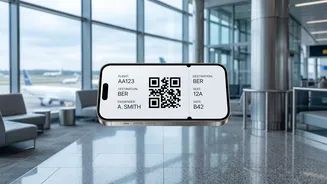
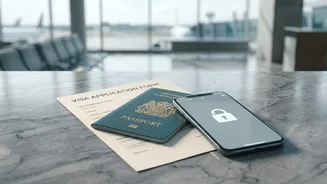
While governments and border agencies move at a cautious pace, passengers are more than ready for a technological leap forward. The survey shows an overwhelming willingness to embrace digital solutions. A remarkable 86% of travellers said they would share their immigration information digitally before departure to speed up the process. Furthermore, 60% would prefer to apply for visas online rather than visiting a consulate in person. This appetite for digitalisation aligns with a broader trend of travellers embracing technology, with nearly half of passengers now using AI to help plan their trips. The message from consumers is clear: they are comfortable with using technology to make their journeys smoother and want to complete administrative tasks long before they arrive at the airport.
The Future is Contactless
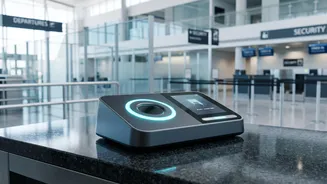
IATA is championing a future built on digital identity and biometrics, under a framework called 'One ID'. The vision is for passengers to create a secure Digital Travel Credential (DTC) — essentially a digital version of their passport — on a trusted app. This credential could be shared with airlines and border authorities in advance, allowing for all admissibility checks to be completed before the journey begins. At the airport, travellers would move through checkpoints like security and boarding simply by having their face scanned, without repeatedly presenting physical documents. This not only promises a faster, more seamless experience for passengers but also enhances security for governments by providing higher-quality advance data. Some airports and airlines are already leading the way, with IATA recently awarding its first One ID certifications to recognise their progress in making this vision a reality.