



The Science of Tempering
Tempering, known as 'tadka' or 'chaunk' in India, is a foundational technique that involves briefly frying spices in hot fat like oil or ghee. This isn't just for show; it's a chemical process. Most of the aromatic compounds responsible for a spice's
unique flavour and scent are fat-soluble, not water-soluble. When whole spices like cumin hit hot oil, the heat breaks down their cellular structure, releasing these volatile oils. The fat then acts as a carrier, capturing these flavours and distributing them evenly throughout the entire dish, creating a depth and complexity that simply adding dry spices to a sauce cannot replicate.
Cumin: The Heart of the Tadka
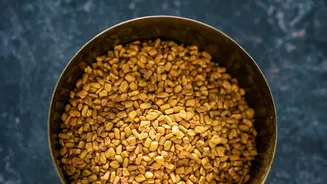
Cumin, or 'jeera', is often the star of the show in a tadka. These small, ridged seeds possess a warm, earthy, and slightly peppery flavour profile. When heated in fat, cumin releases a compound called cuminaldehyde, which is central to its signature earthy aroma. The goal of tempering cumin is to toast it just enough to develop this nutty, rounded fragrance. The seeds will sizzle upon hitting the hot oil and darken slightly. This process happens in seconds, and timing is crucial. If they are undercooked, the flavour remains raw; if they burn, they impart a harsh bitterness that can ruin a dish.
How to Perfect Your Cumin Temper
To achieve the perfect cumin tadka, start by heating your fat (ghee is traditional for its rich flavour, but a neutral oil with a high smoke point also works well) in a small pan over medium heat. The fat should be hot but not smoking. Test it by dropping in a single cumin seed; if it sizzles immediately, the oil is ready. Add your measured cumin seeds and stir for just a few seconds. You are looking for a visible change—the seeds will dance in the oil and turn a shade darker—and a fragrant, nutty aroma. As soon as this happens, immediately pour the entire contents of the pan, oil and seeds, into your main dish, like dal or a vegetable curry.
Tamarind: The Tangy Counterpoint
Tamarind brings a completely different dimension to the palate. Derived from the pulp of a fruit pod, its flavour is a complex mix of sweet and, most prominently, sour. This tangy profile makes it an excellent ingredient for cutting through the richness of lentils and balancing the earthiness of other spices. It's commonly used in the form of a paste or a watery extract made by soaking the pulp. In South Indian dishes like rasam and sambar, tamarind water forms the very foundation of the soup, providing its characteristic zesty kick.
The Flavour Harmony of Cumin and Tamarind
The pairing of cumin and tamarind is a classic in Indian cuisine for a reason. Flavour science shows that the two ingredients share a significant number of flavour molecules, putting them in the top 2% of successful ingredient pairings. The earthy, warm notes of tempered cumin provide a grounding base, while the bright, sour notes of tamarind lift the dish and add a refreshing complexity. This balance is evident in numerous classic recipes. In dishes like Khatti Dal (sour lentils) or the tangy soup Rasam, a tamarind-based broth is finished with a sizzling tadka of cumin seeds, mustard seeds, and other spices. The famous cooling drink Jal Jeera also relies on this duo, combining roasted cumin powder and tamarind pulp for its signature smoky and tangy taste.