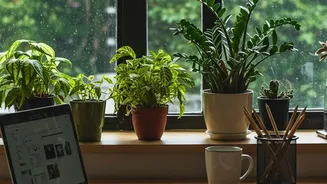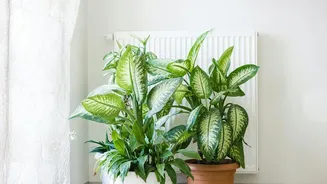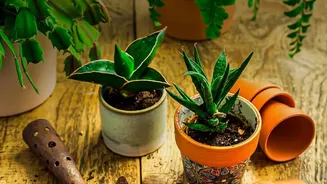



Ever noticed your favourite houseplant doing a slow, determined lean towards the nearest window? This common behaviour raises a key question for plant parents: should you be rotating your potted plants? Let's delve into the science and strategy.
The Science of the Lean
That familiar
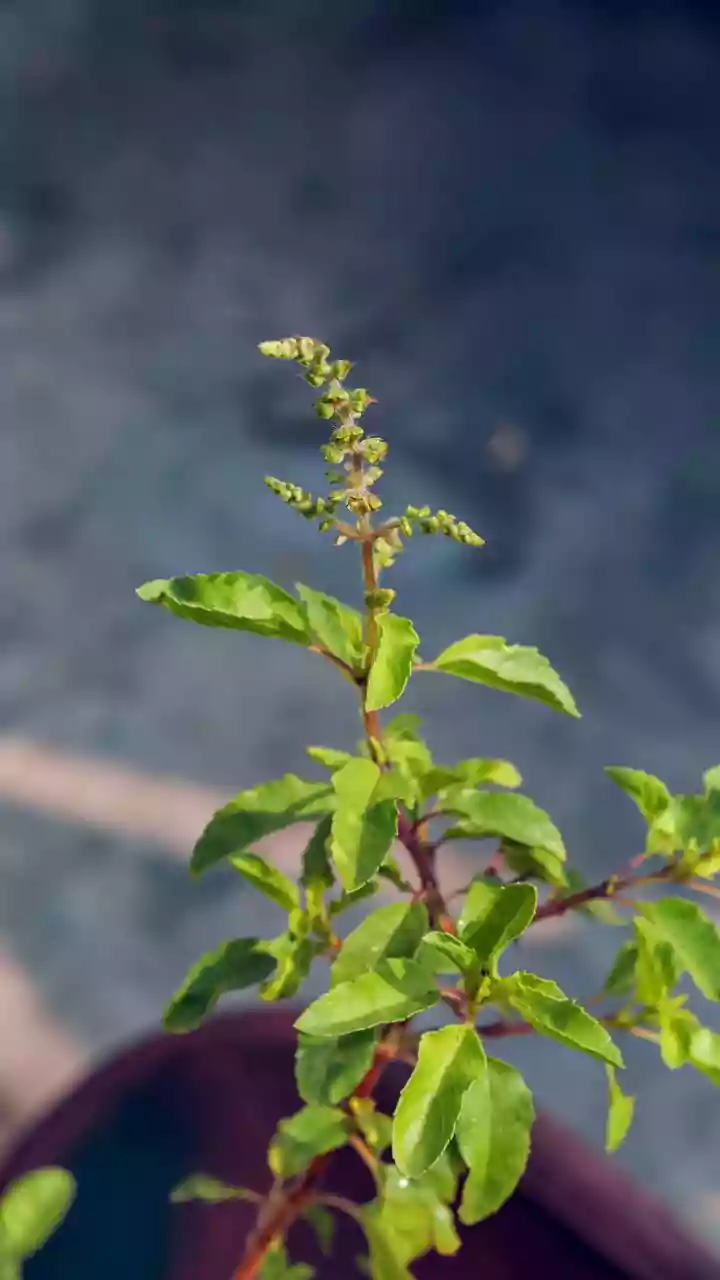
tilt is a natural process called phototropism, which is a plant's directional growth response to a light source. It's a survival mechanism designed to maximize light exposure for photosynthesis, the process plants use to create energy. This response is driven by a group of hormones called auxins. Auxins accumulate on the shaded side of the stem, causing the cells there to elongate faster than the cells on the sunny side. This differential growth rate is what causes the stem to physically bend toward the light, ensuring its leaves—the plant's solar panels—are in the best position to catch some rays.
The Case for Rotation
The primary benefit of rotating your indoor plants is to encourage even, symmetrical growth. By regularly turning the pot, you ensure that all sides of the plant receive a fair share of light over time. This prevents the lopsided, 'reaching' look that occurs when one side is perpetually facing a window and the other faces a dim room. Balanced growth isn't just about aesthetics; it also contributes to a stronger, healthier plant structure. Even growth promotes sturdier stems all around and a fuller, more robust appearance. Furthermore, regularly turning your plants improves air circulation around the foliage and gives you a natural opportunity to inspect for pests, dust, or signs of stress.
How and When to Rotate
There's no single, rigid schedule for rotating plants, but a good rule of thumb is to give the pot a quarter-turn every time you water it. This makes the habit easy to remember and provides consistent, gentle adjustment. For many common houseplants, a quarter-turn every two to four weeks is sufficient to maintain balanced growth. If a plant has already developed a significant lean, you can correct it by turning the shaded side to face the light source directly. Be patient, as it will take several weeks or even months for the plant to gradually straighten itself out. Consistency is more important than frequency; a small, regular turn is often better than a sudden, drastic rotation that can stress the plant.
Are There Exceptions?
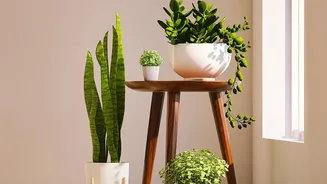
While rotation is beneficial for many plants, it's not a universal requirement. Some plants are perfectly happy without being turned. Trailing plants like Pothos and Philodendrons naturally cascade and spread, so rotating them can sometimes interrupt their desired flow. Certain slow-growing or structurally rigid plants, such as the ZZ Plant and Snake Plant, are less prone to dramatic leaning and often don't need frequent rotation to stay healthy. Additionally, some flowering plants, like orchids, can be sensitive to changes in their environment. Once they've set buds, it's often best to leave them in place, as rotation can sometimes cause them to drop their flowers.
Observe Your Plant's Needs
Ultimately, the best approach is to pay attention to your specific plant and its environment. If your plant is stretching severely, with long, weak stems and pale leaves, the issue is likely insufficient light, not a lack of rotation. Turning a lightstargved plant won't fix the underlying problem. In that case, the solution is to move it to a brighter location or supplement with a grow light. For plants that get plenty of overhead light, such as from a skylight or a centrally positioned grow light, rotation might not be necessary at all, as the light is already distributed evenly. Look at rotation as a tool for shaping and balancing, not a cureall for every growth issue.