

Understanding the Global Nutrition Landscape
Every few years, the United Nations provides a comprehensive analysis of the world's nutritional state, highlighting progress and persistent challenges. The 2026 report continues this tradition, emphasizing a global shift. While undernutrition remains
a concern, there is a growing, worldwide crisis of poor diet quality and rising rates of obesity and related non-communicable diseases (NCDs) like diabetes and heart disease. The report points to a double burden of malnutrition, where undernutrition coexists with overnutrition, a reality increasingly seen in India. It underscores that healthy diets are unaffordable for billions, and the focus must move from just getting enough calories to getting the right nutrients.
The Grain Debate: Refining Our Choices
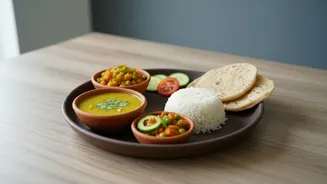
For most Indians, meals are built around staple grains like rice and wheat. The UN report highlights a critical distinction between whole and refined grains. While these foods provide essential energy, the heavy reliance on highly processed versions, such as white rice and white flour (maida), strips away vital fibre and micronutrients. This pattern is a significant contributor to dietary risks. At the same time, there's a growing recognition of the value of traditional millets like jowar, bajra, and ragi. These ancient grains are not only more resilient to climate change, a key concern in the UN report, but are also nutritional powerhouses—rich in fibre, protein, and minerals, with a lower glycemic index, making them excellent for managing blood sugar. The report implicitly champions a return to these diverse, nutrient-dense grains.
The Power of Pulses
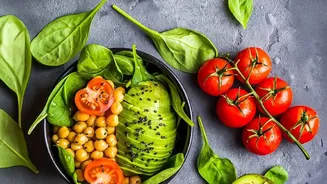
Dal is more than just a comfort food in India; it's a cornerstone of nutrition, especially as a primary source of protein for a large vegetarian population. The UN report reinforces the importance of plant-based proteins like lentils, chickpeas, and beans for building sustainable and healthy dietary patterns. These pulses are packed with protein, fibre, and essential micronutrients like iron and folate. However, national surveys have shown that despite their importance, the consumption of pulses is often inadequate for large parts of the population, contributing to deficiencies. Addressing anaemia remains a major public health challenge in India, and increasing the intake of iron-rich pulses is a key strategy. Combining millets and pulses can create a complete protein profile, offering a powerful, traditional solution to modern nutritional challenges.
The Rise of Ultra-Processed Foods
One of the most urgent warnings in recent nutrition literature, echoed in the themes of the 2026 report, concerns the rapid increase in consumption of ultra-processed foods (UPFs). These are not just processed, but are industrial formulations of cheap ingredients, sugar, unhealthy fats, and salt, with minimal whole-food content. In India, the convenience of packaged snacks, sugary drinks, and ready-to-eat meals has led to a massive surge in their popularity, even in rural areas. Studies now directly link high UPF consumption to rising obesity, type-2 diabetes, and heart disease in India. These foods are designed to be hyper-palatable, encouraging overconsumption while providing poor nutritional value, directly undermining the intake of healthier, staple-based meals.
What This Means For Your Kitchen
The findings of the 2026 UN Nutrition Report act as a guide for both policymakers and individuals. For families in India, the message is clear: a return to dietary basics can lead to better health. This involves prioritising whole foods over processed ones. Simple swaps can make a big difference. Opt for whole wheat atta instead of maida, and brown or unpolished rice instead of white. Try incorporating millets into your diet a few times a week—as rotis, porridge, or added to rice. Ensure every meal contains a source of protein, with a strong focus on dals and legumes. Finally, be mindful of packaged foods; read labels to check for hidden sugars and sodium, and aim to cook fresh meals whenever possible. It's about making conscious choices with the staples that have nourished generations.