
India's Next Interplanetary Frontier
Following the monumental successes of the Chandrayaan missions to the Moon and the Mangalyaan mission to Mars, ISRO has set its sights on the second planet from the Sun. Formally approved by the Indian government in September 2024, the Venus Orbiter Mission,
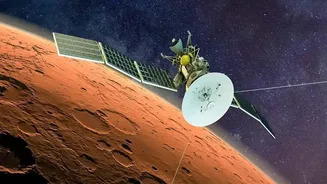
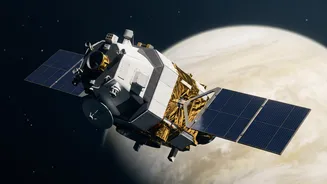
unofficially known as Shukrayaan-1, marks India's next great leap in planetary exploration. Scheduled for launch in March 2028 aboard the powerful LVM-3 rocket, the mission aims to place a sophisticated orbiter around Venus to conduct a comprehensive, long-term study of the planet. This venture is not just about scientific curiosity; it’s a demonstration of India's growing capabilities in designing and executing complex deep-space missions, placing it in the elite group of space agencies that have successfully reached Venus.
A Toolkit to Pierce the Veil
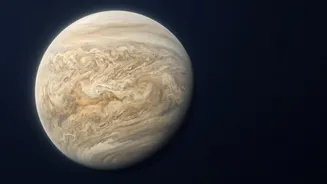
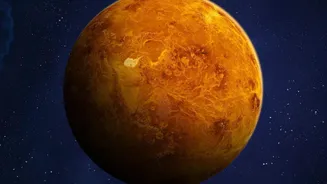
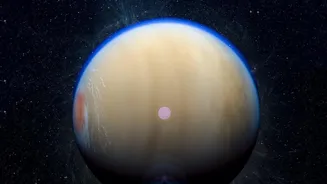
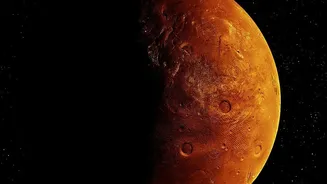
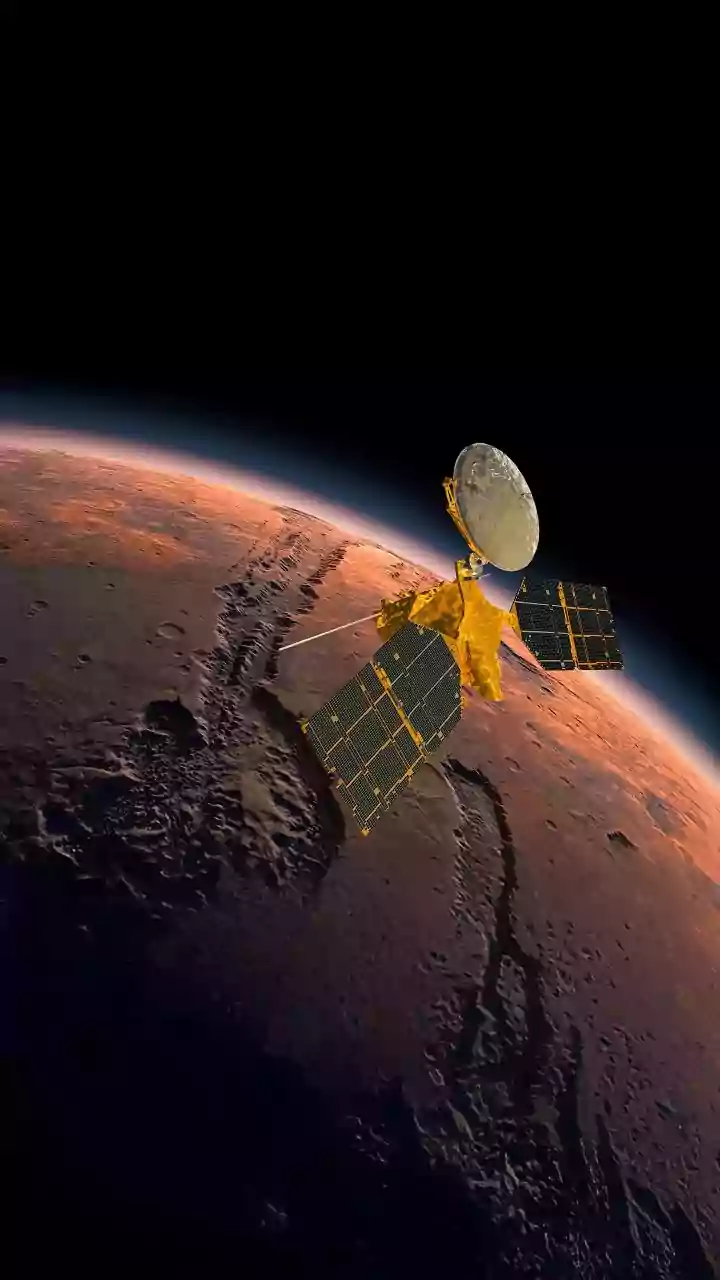
Venus is permanently shrouded in a thick, opaque blanket of sulfuric acid clouds, making its surface invisible to traditional telescopes. To overcome this, Shukrayaan-1 will be equipped with a payload of around 19 advanced scientific instruments. The headliner is a high-resolution Synthetic Aperture Radar (SAR), designed to penetrate the dense clouds and map the Venusian surface with unprecedented detail, searching for evidence of active volcanoes and other geological features. The mission will also carry a ground-penetrating radar, a first for any Venus mission, to investigate the planet’s subsurface structure. Other instruments, including thermal cameras, spectrometers, and plasma analysers, will form a comprehensive suite to study everything from atmospheric composition to the interaction between Venus and the solar wind.
The Mysteries Within the Clouds
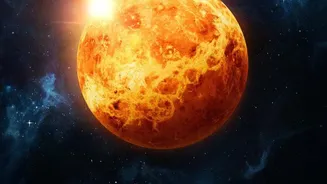
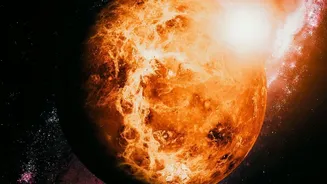
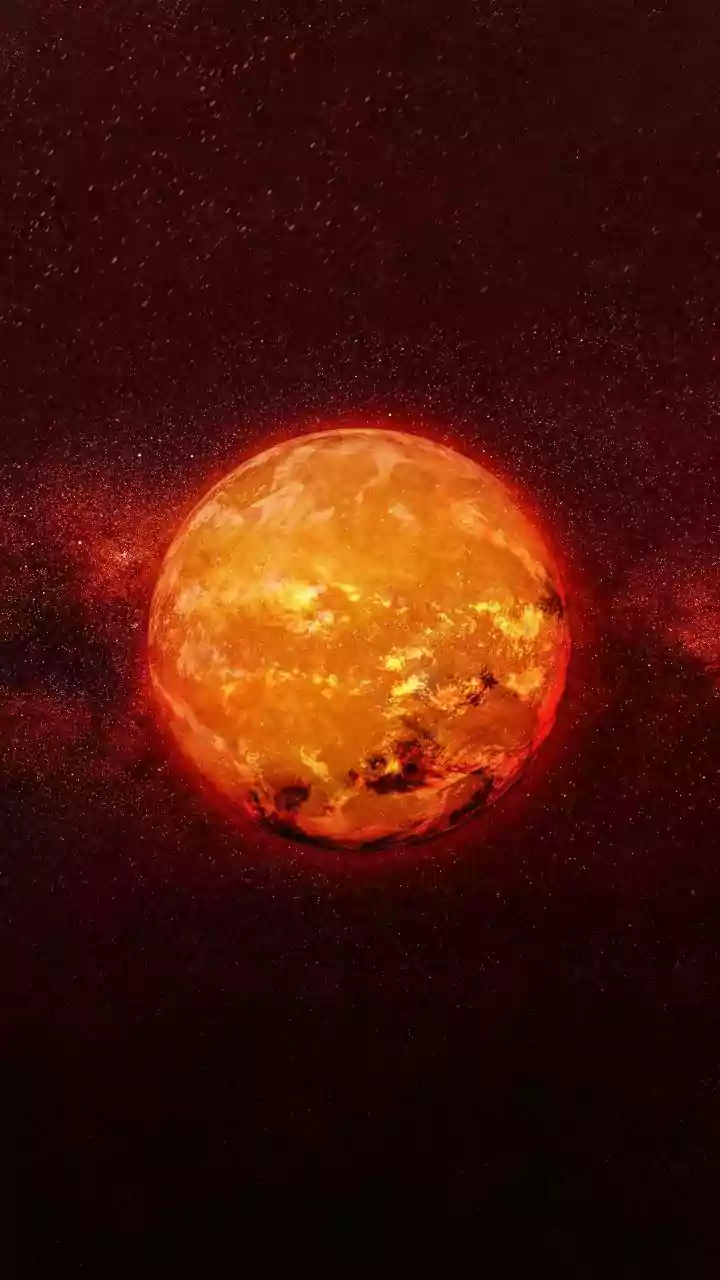
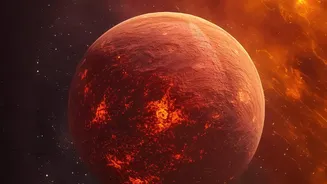
The primary focus of many of Shukrayaan's sensors is the planet's brutal atmosphere. The scientific goals are profound: to understand the runaway greenhouse effect that makes Venus the hottest planet in the solar system, with surface temperatures capable of melting lead. Scientists are eager to understand its atmospheric super-rotation, a phenomenon where the atmosphere circles the planet 60 times faster than the planet itself spins. Furthermore, instruments will analyse the chemical composition of the clouds in detail. This includes searching for specific gases that could hint at geological activity or other unknown chemical processes. Recent research has even explored whether the more temperate upper cloud layers, with Earth-like pressure, could potentially harbor microbial life, a tantalizing question the mission's data could help address.
Why Venus Holds Lessons for Earth
Studying Venus is crucial for understanding our own planet. Billions of years ago, Venus may have been much more like Earth, possibly with liquid water oceans. By investigating why and how it transformed into a hellish world, scientists can gain invaluable insights into planetary evolution and the delicate factors that make a planet habitable. Its extreme greenhouse effect serves as a natural laboratory for climate science, helping to refine models that predict climate change on Earth. As scientists discover more exoplanets around other stars, many of which may resemble Venus, understanding our closest planetary neighbour becomes even more critical for determining the conditions necessary for life elsewhere in the universe.