



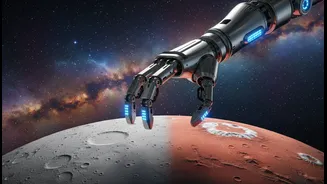


The Limits of the Lone Explorer
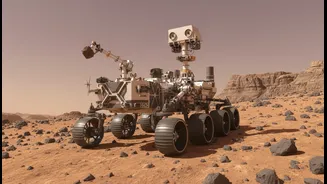
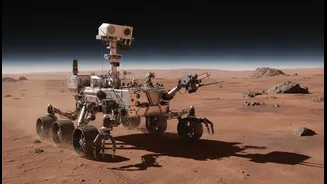
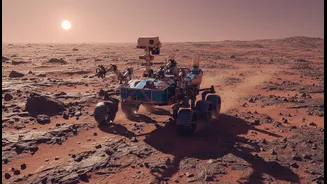
For decades, NASA’s Mars rovers, from Sojourner to Perseverance, have been triumphs of engineering. These car-sized mobile laboratories have rewritten our understanding of the Red Planet. Yet, for all their success, they face limitations. Each is a multi-billion-dollar
asset operating largely alone, moving cautiously to avoid mission-ending mistakes, as when the Spirit rover was permanently stuck in soft soil. They are generalists in a world that demands specialists—unable to explore the steep cliffs, deep caves, or icy regions that may hold the most compelling scientific secrets. The sheer time and effort required from human teams on Earth to plan each movement also creates a bottleneck, slowing the pace of discovery.
Enter the Robotic Ecosystem
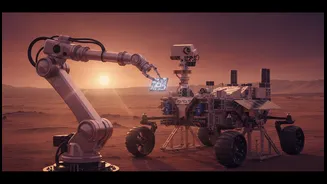
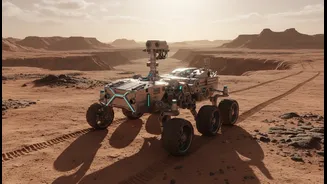
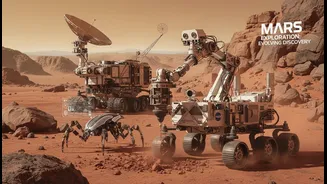
NASA's new strategy is about building a robotic ecosystem. Instead of one large rover, the future involves a variety of machines working together. This approach, outlined in a recent 20-year plan, emphasizes more frequent, lower-cost missions and deeper collaboration with commercial partners. A key part of this is the STRIDE initiative—Science Transport and Robotic Innovation for Deployment and Exploration. In early July 2026, NASA awarded contracts to seven companies, including specialists like Astrobotic and Intuitive Machines, to design these next-generation mobility systems. The goal is to develop platforms that can access challenging terrain, travel farther, and carry specialized instruments to places current rovers can't reach.
Meet the New Martian Recruits
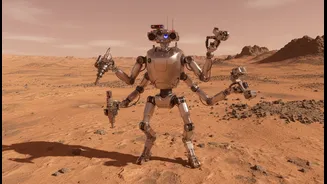
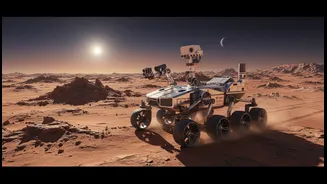
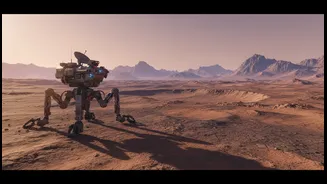
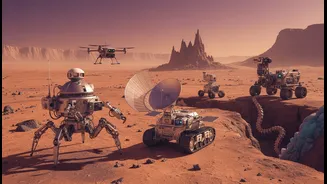
So, what will these new robots look like? The concepts are diverse and highly specialized. Imagine successors to the groundbreaking Ingenuity helicopter, but larger and more capable, forming an aerial scouting mission called SkyFall to map subsurface ice from the air. Think of snake-like robots that can slither into lava tubes or legged explorers like the ERNEST prototype, which can autonomously navigate extremely steep and rugged terrain far faster than current rovers. These robots will be more autonomous, using AI to make decisions on the ground without waiting for commands from Earth, which can take up to 24 minutes to arrive one-way. This allows for faster, more efficient exploration of multiple sites. Some companies, like Astrolab, are adapting existing flexible rover designs, originally for the Moon, for the harsh Martian environment.
Paving the Red Path for Humans
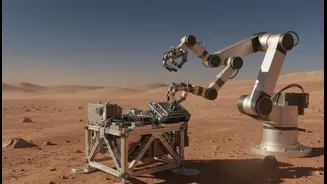
This robotic evolution isn't just for the sake of science; it's a critical prerequisite for sending humans to Mars. The new generation of robots will act as advance scouts, mapping resources like water ice, identifying the safest landing sites, and characterizing potential hazards. Future concepts even envision robots performing construction, deploying habitats, setting up power systems, and maintaining infrastructure before astronauts ever set foot on the planet. By having autonomous robots handle the most dangerous and labor-intensive tasks, NASA can maximize the effectiveness and safety of future human crews. This long-term vision bridges the gap between today's robotic-only presence and a sustainable human and robotic one. Building better robots is, therefore, the essential first step in making humanity a multi-planetary species.