





What is Chandrayaan-4?
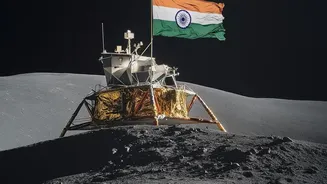
Chandrayaan-4 is the Indian Space Research Organisation's (ISRO) next major lunar undertaking, designed to achieve what no Indian mission has done before: perform a soft landing on the Moon, collect soil and rock samples, and return them safely to Earth.
This makes it a lunar sample-return mission, a feat accomplished by only a handful of nations. Building on the landing technologies perfected during Chandrayaan-3, this new mission represents a significant leap in complexity and ambition. Targeted for launch around 2028, Chandrayaan-4 is a critical step in India's long-term space exploration goals, which include developing capabilities for an eventual human mission to the Moon by 2040.
An Ambitious Two-Launch Plan
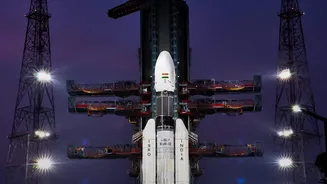
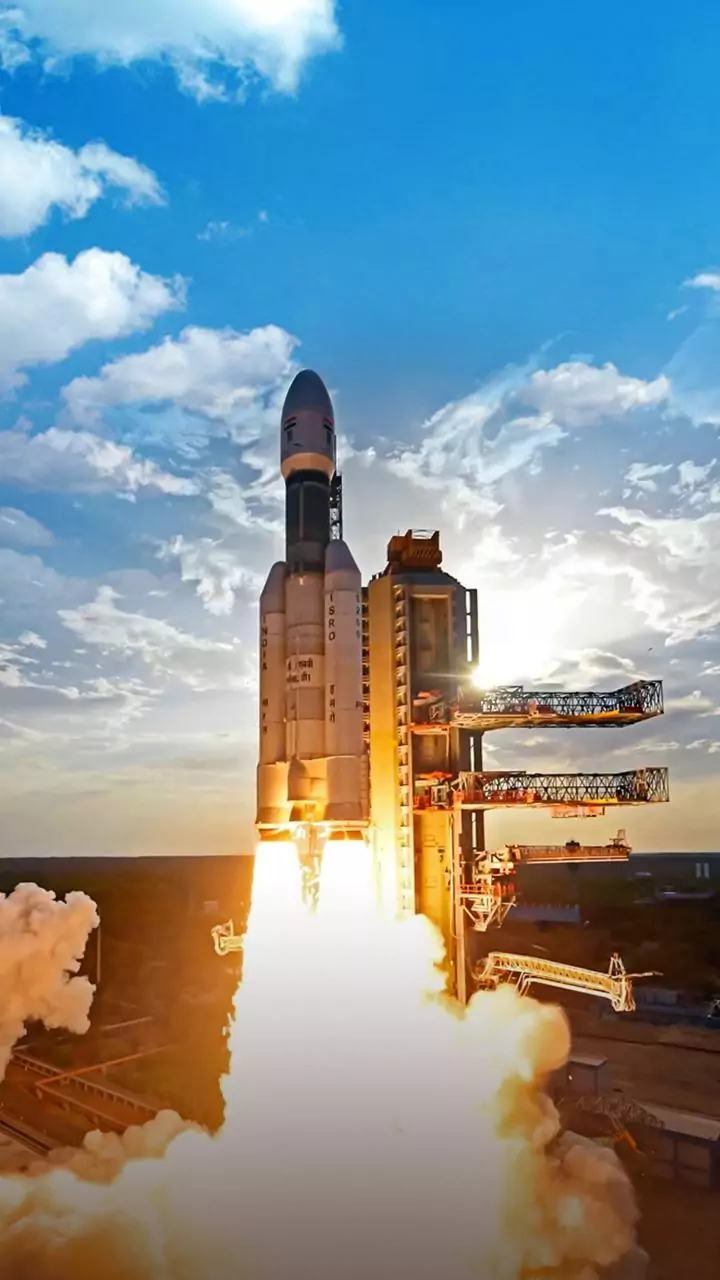
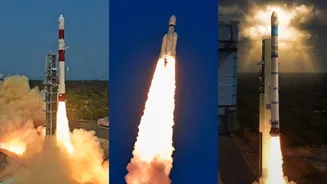
The mission's complexity is so immense that it cannot be accomplished with a single rocket. The entire spacecraft system, comprising five separate modules, is too heavy for even India's most powerful rocket, the LVM3, to carry in one go. ISRO's solution is an elegant and challenging two-launch strategy. Two separate LVM3 rockets will be used. The first launch will carry the modules needed for the lunar descent and ascent, while the second will carry the components for the return journey to Earth. These different parts will then need to dock in Earth's orbit before setting course for the Moon, a manoeuvre that showcases ISRO's growing confidence in complex orbital operations.
A Complex Lunar Ballet
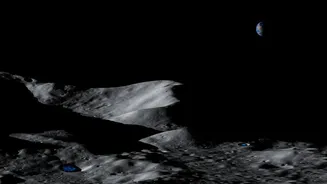
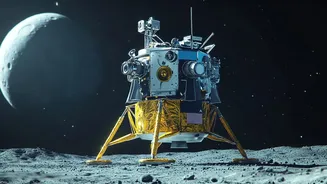
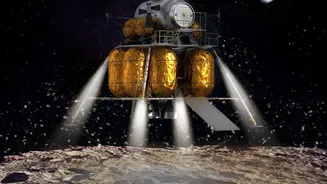
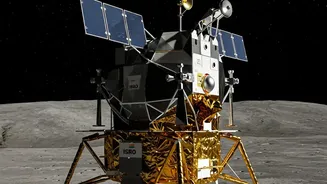
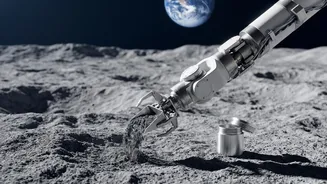
Once the integrated spacecraft reaches lunar orbit, the real challenge begins. The mission involves a series of intricate steps: a lander (Descender Module) will touch down on the lunar surface, likely near the south pole region. A robotic arm will then collect soil samples and store them in a container. Afterwards, an Ascender Module will launch from the Moon's surface—a first for India—and rendezvous with a Transfer Module waiting in lunar orbit. This involves another delicate docking manoeuvre where the samples are transferred for the final leg of the journey. The Re-entry Module will then carry the precious cargo back, enduring a fiery descent through Earth's atmosphere to deliver the lunar soil to scientists.
Why Bring Back Moon Dust?
The scientific value of pristine lunar samples is immense. While rovers can perform on-site analysis, laboratories on Earth are equipped with far more powerful and sophisticated instruments. Studying this lunar regolith, or soil, can provide unprecedented insights into the Moon's origin, its geological history, and the evolution of our solar system. These samples are like a time capsule. The lunar south pole is particularly interesting due to the potential presence of water ice and other volatile compounds that could be vital resources for future long-duration human missions. By analyzing these materials, scientists can also better understand the history of Earth's own atmosphere and climate.
The Road to 2028
The Union Cabinet approved the Chandrayaan-4 mission with a budget of over ₹2,100 crore, highlighting its national importance. The successful demonstration of orbital docking technology in the SPADEX mission was a crucial prerequisite, de-risking one of the most challenging phases of Chandrayaan-4. While the initial target was 2027, the mission is now expected to launch around 2028, a realistic timeline given the technological firsts involved. This mission is not just a scientific endeavour but a strategic one, cementing India's status as a major player in global space exploration and paving the way for even more ambitious projects like the Bharatiya Antariksh Station.