


Recognise the Dangers of Humidity
High humidity makes it difficult for pets, especially dogs and cats, to cool themselves down. Unlike humans who sweat all over, pets primarily cool off by panting. When the air is already full of moisture, this process becomes inefficient, and their body
temperature can rise dangerously fast. This increases the risk of heatstroke, a life-threatening condition. Early signs of overheating include excessive panting, heavy drooling, restlessness, and a rapid heartbeat. As the condition worsens, you might see vomiting, diarrhoea, weakness, confusion, or even collapse. Cats are more subtle, but panting is a major red flag for them, as are hiding or unusual vocalizations.
Prioritise Smart Hydration
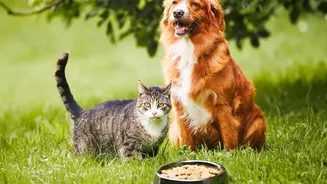
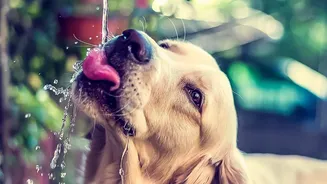
Constant access to fresh, clean water is non-negotiable. Place multiple water bowls around the house to encourage drinking. On particularly hot days, adding a few ice cubes to their water can make it more appealing. You can also boost their fluid intake by adding water or broth to their kibble. Frozen treats, like pet-safe 'pupsicles' or simply frozen chunks of banana or watermelon, can be a fun and effective way to help them cool down. When you go for walks, always carry a portable water bottle for your pet. Filtered or boiled water is a safer option during the monsoon, as supply lines can sometimes get contaminated.
Master a Monsoon Grooming Routine
The dampness of humid weather is a breeding ground for fungal and bacterial skin infections. A consistent grooming routine is your best defence. Brush your pet daily to remove tangles, dirt, and trapped moisture that can lead to skin irritation. After any walk, thoroughly dry your pet with an absorbent microfiber towel, paying close attention to their paws, underbelly, and armpits. For long-haired breeds, a blow dryer on a low, cool setting can ensure their coat is completely dry. Keeping the fur between their paw pads trimmed can prevent mud and moisture from getting trapped.
Prevent Pesky Skin and Ear Infections
Beyond drying, paw care is crucial. Wipe their paws clean with warm water after every outdoor excursion to remove mud and potential germs. The constant moisture can also lead to ear infections, especially in breeds with floppy ears. Keep their ears clean and dry, and consult your vet about a suitable cleaning solution. High humidity is also peak season for fleas and ticks. Ensure your pet is up-to-date on their vet-approved preventative treatments. Regularly wash their bedding in hot water and dry it thoroughly to eliminate any pests or mould.
Adapt Your Daily Schedule
Adjust your pet's exercise routine to avoid the hottest and most humid parts of the day. Schedule walks for the early morning or late evening when the temperatures are cooler. Hot pavement can burn their paw pads, so always check the surface with your hand before heading out. During peak heat, keep your pet indoors as much as possible. Engage them with indoor activities like puzzle toys, training sessions, or gentle play to keep them mentally and physically stimulated without the risk of overheating.
Create a Cool Indoor Sanctuary
Your home should be a refuge from the oppressive humidity. If you have air conditioning, keep it on at a comfortable temperature. Dehumidifiers can be extremely effective at making the indoor environment more pleasant for your pet. Ensure good ventilation with fans, but remember that fans are less effective at cooling pets than they are for humans. Cooling mats provide a chilled surface for your pet to lie on, and you can also offer them a damp towel to rest on. Ensure their bed is in a cool, dry spot away from direct sunlight.