



The Problem with Plain Sugar
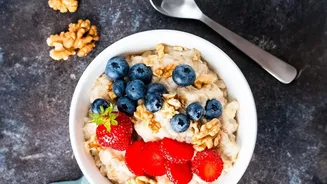
Let's be honest: a bowl of plain oats can feel a bit like a chore. The quickest way to sweeten the deal is often a spoonful of white table sugar. The problem is, that immediate sweetness comes at a cost. Table sugar, or sucrose, is what nutritionists
call 'empty calories'. It provides a quick burst of energy by rapidly raising your blood sugar, but it contains no vitamins, no minerals, and no dietary fibre. This leads to the infamous 'sugar crash', where your energy levels and mood can plummet shortly after your meal, leaving you feeling sluggish and reaching for another quick fix long before lunchtime. It’s a cycle that offers a momentary treat but little in the way of sustained nourishment.
The Vibrant Alternative: Passion Fruit
Now, let’s introduce the star of the show: passion fruit. This tropical gem is more than just a pretty face. Its pulpy, seed-filled interior is a treasure trove of nutrients. A single passion fruit is low in calories but packed with goodness. It’s an excellent source of vitamin C, which is crucial for a healthy immune system and vibrant skin. It also provides a significant amount of vitamin A, important for vision and cellular health. Unlike sugar, passion fruit brings beneficial plant compounds and antioxidants to the table, which help protect your body from inflammation and cellular stress. Plus, it offers small but useful amounts of essential minerals like potassium and iron. The iron absorption is even enhanced by the fruit's high vitamin C content.
A Symphony of Flavour and Texture
Beyond nutrition, passion fruit delivers a far more complex and satisfying sensory experience. While sugar offers a single note of sweetness, passion fruit provides a dynamic sweet-tart flavour profile that awakens the palate. This natural tanginess cuts through the richness of the oats, creating a balanced and refreshing taste. Then there’s the texture. The juicy pulp and crunchy, edible seeds add a delightful contrast to the creamy consistency of cooked oatmeal. This textural variety not only makes your breakfast more interesting to eat but can also contribute to a greater sense of satisfaction, signalling to your brain that you’ve had a substantial and complete meal.
Beyond the Sugar Rush
One of the most significant advantages of choosing passion fruit lies in how your body processes it. The key difference-maker is fibre. Passion fruit is an excellent source of dietary fibre, a component completely absent in table sugar. This fibre plays a critical role in slowing down the digestion and absorption of the fruit's natural sugars. This is reflected in its low glycemic index (GI) of around 30, whereas table sugar (sucrose) has a much higher GI of about 65. A lower GI means a slower, more gradual rise in blood sugar levels, providing you with steady, sustained energy rather than a sharp spike and subsequent crash. This helps you stay full and focused throughout your morning.
Making It Happen: Your Morning Upgrade
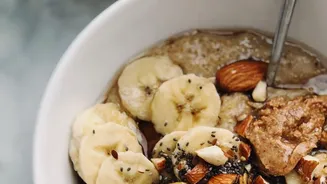
Incorporating passion fruit into your routine is simple. Look for fruit that is slightly wrinkled, which indicates ripeness and peak sweetness. To open it, just slice it in half with a knife. You’ll reveal the aromatic, golden pulp dotted with black seeds. Simply scoop the contents of one half into your bowl of warm or cold overnight oats and stir. The fruit’s natural juices will blend with the oats, infusing them with tropical flavour. For an even richer breakfast, you can pair it with other nutrient-dense toppings like nuts, seeds, or a dollop of Greek yogurt. It’s a simple, two-minute addition that pays huge dividends in both flavour and health benefits.