



The Science of a Perfect Sky
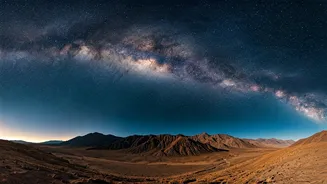
What makes Ladakh a paradise for stargazers? The answer lies in its unique geography. Tucked away behind the colossal Himalayan range, Ladakh is a high-altitude desert that sits in a 'rain shadow'. This means the mountains block the moisture-laden monsoon
clouds from reaching the region, resulting in over 300 clear, dry nights a year. The lack of atmospheric water vapour, which can blur and obscure starlight, is a significant advantage. Combine this with the region's average elevation of over 3,000 metres (9,800 feet), and you have a location where there is simply less air, and less turbulence, between you and the cosmos. The sky is not just clear; it's incredibly stable and transparent, allowing even faint stars and distant galaxies to shine through with astonishing clarity.
Hanle: India's Celestial Sanctuary
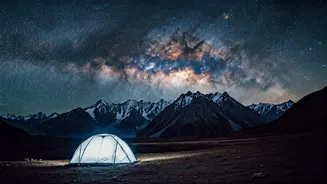
While many parts of Ladakh offer great views, the village of Hanle in the Changthang region is the crown jewel. This remote outpost is home to the Indian Astronomical Observatory, one of the world's highest-sited optical telescopes. Scientists chose this location for the very reasons that attract astrophotographers: pristine skies, minimal light pollution, and exceptional atmospheric conditions. Recognizing its unique value, the area was officially designated as India's first Dark Sky Reserve. This designation means there are strict regulations on artificial lighting to preserve the natural darkness of the night sky. For visitors, this translates into an almost completely untainted celestial experience, where the Milky Way is bright enough to cast a faint shadow on the ground.
Beyond Hanle: More Stargazing Havens
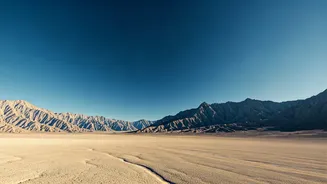
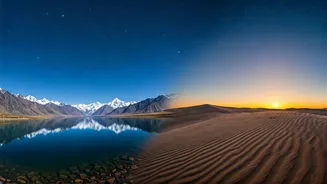
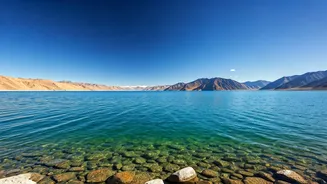
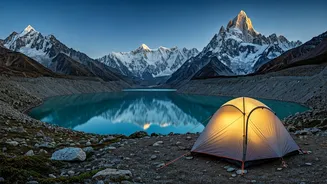
You don’t have to travel all the way to Hanle to witness Ladakh’s cosmic display. The popular Nubra Valley, known for its dramatic sand dunes and Bactrian camels, offers a surreal backdrop for night photography. The stark contrast of a star-filled sky above the pale dunes is a photographer’s dream. Similarly, the areas around the high-altitude lakes of Pangong Tso and Tso Moriri are phenomenal spots. The vast, reflective surfaces of these lakes can create breathtaking compositions, with the stars mirrored in the tranquil water. Setting up a tripod by the lakeside and watching the celestial dome rotate overhead is an experience that borders on spiritual. Any location far from the main towns of Leh or Kargil will provide a sufficiently dark canvas.
Planning Your Astral Adventure
Timing is crucial for a successful astrophotography trip to Ladakh. The best window is typically from April to October, when the high mountain passes are open and the weather is relatively milder. The nights will still be cold, so packing thermal layers is non-negotiable. Another critical factor is the lunar cycle. For the most brilliant view of the stars and the Milky Way, plan your visit around the new moon, when the sky is at its darkest. A full moon, while beautiful, acts like a giant spotlight, washing out all but the brightest stars. Finally, remember acclimatisation. Ladakh's high altitude requires you to spend a few days in Leh (or a similar altitude) to let your body adjust before venturing higher, preventing altitude sickness.
Essential Gear and a Note of Patience
While a smartphone can capture a surprising amount these days, true astral photography requires some basic equipment. A DSLR or mirrorless camera with manual controls is ideal. Pair it with a wide-angle lens (e.g., 14-24mm) that has a wide aperture (f/2.8 or lower) to gather as much light as possible. A sturdy tripod is absolutely essential to keep the camera steady during long exposures, which can last from 15 to 30 seconds. A headlamp with a red-light mode is also invaluable, as it allows you to see your gear without ruining your night vision. Most importantly, bring patience. It takes time for your eyes to fully adapt to the dark, and it may take several attempts to get your focus and exposure just right. But the reward—a stunning image of the cosmos—is well worth the effort.