


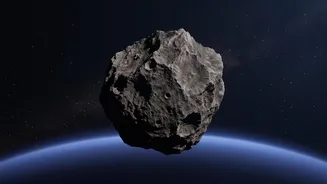
A Cosmic Spinning Top
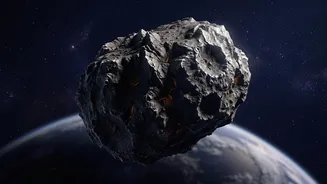
Discovered in 1998 by the Spacewatch project in Arizona, 1998 KY26 quickly distinguished itself. Early observations revealed it was rotating incredibly fast. More recent studies have refined this, showing it completes a full rotation in just over five
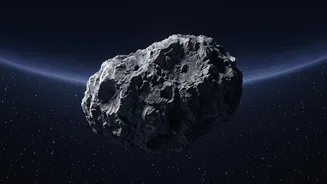
minutes, making it one of the fastest-spinning objects known in our solar system. To put that in perspective, a 'day' on this tiny world is shorter than your average coffee break. Initial estimates placed its size at around 30 metres, but new observations using powerful telescopes, including the European Southern Observatory's Very Large Telescope, have revised its diameter down to a mere eleven metres. This makes the asteroid roughly the size of a city bus, yet it hurtles through space on a dynamic and fascinating trajectory.
A Close, But Not Dangerous, Neighbour
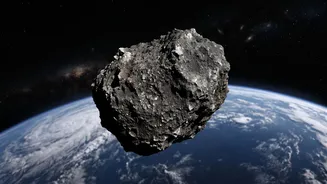
The asteroid is classified as a Near-Earth Object (NEO) because its orbit brings it relatively close to our planet. At its nearest, its path can be within a few million kilometres of Earth's orbit. This proximity is what allowed for its discovery and detailed study. While some NEOs are labelled 'Potentially Hazardous Asteroids', this is a technical classification based on size and orbital distance, and it does not mean 1998 KY26 poses an imminent threat of collision. Instead, its close approaches provide scientists with precious opportunities to observe a unique class of celestial body. Its size is comparable to the object that entered the atmosphere over Chelyabinsk, Russia in 2013, making it a scientifically valuable specimen for understanding the properties of small impactors.
Destination for a Daring Mission
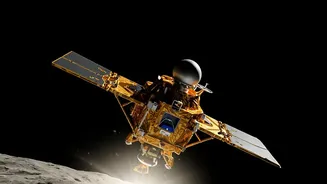
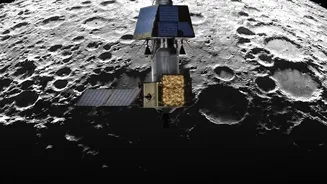
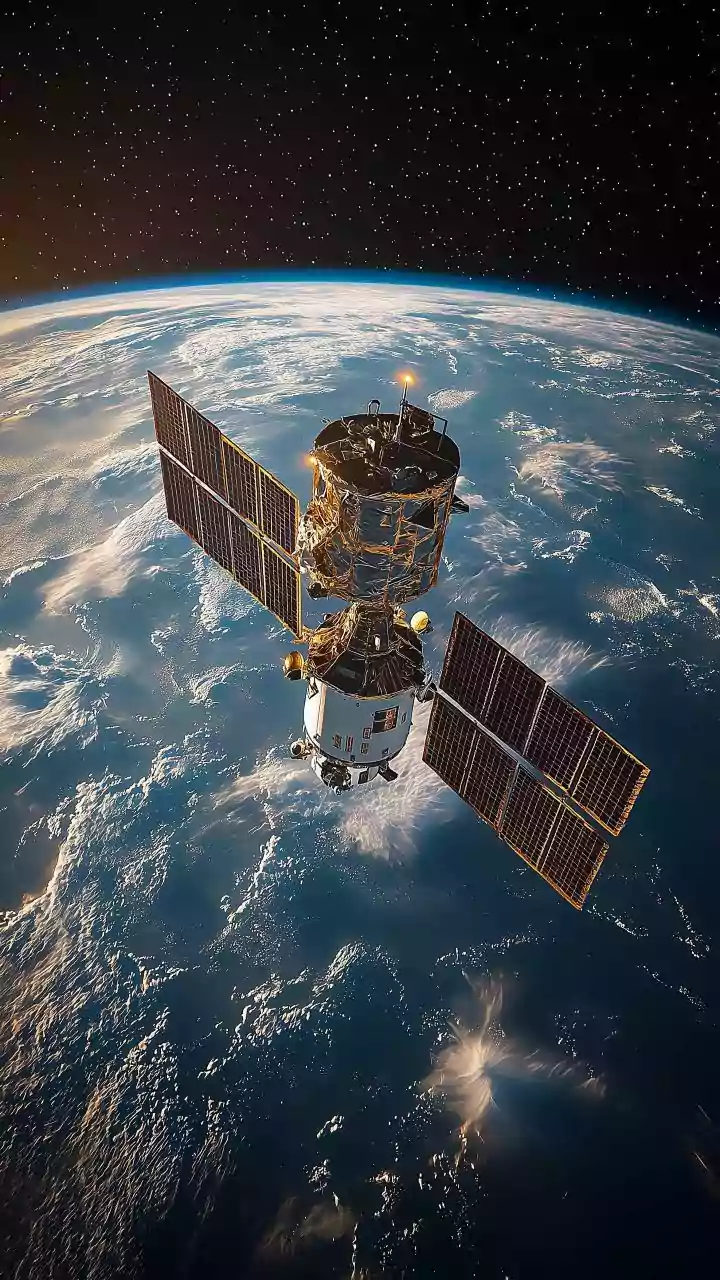
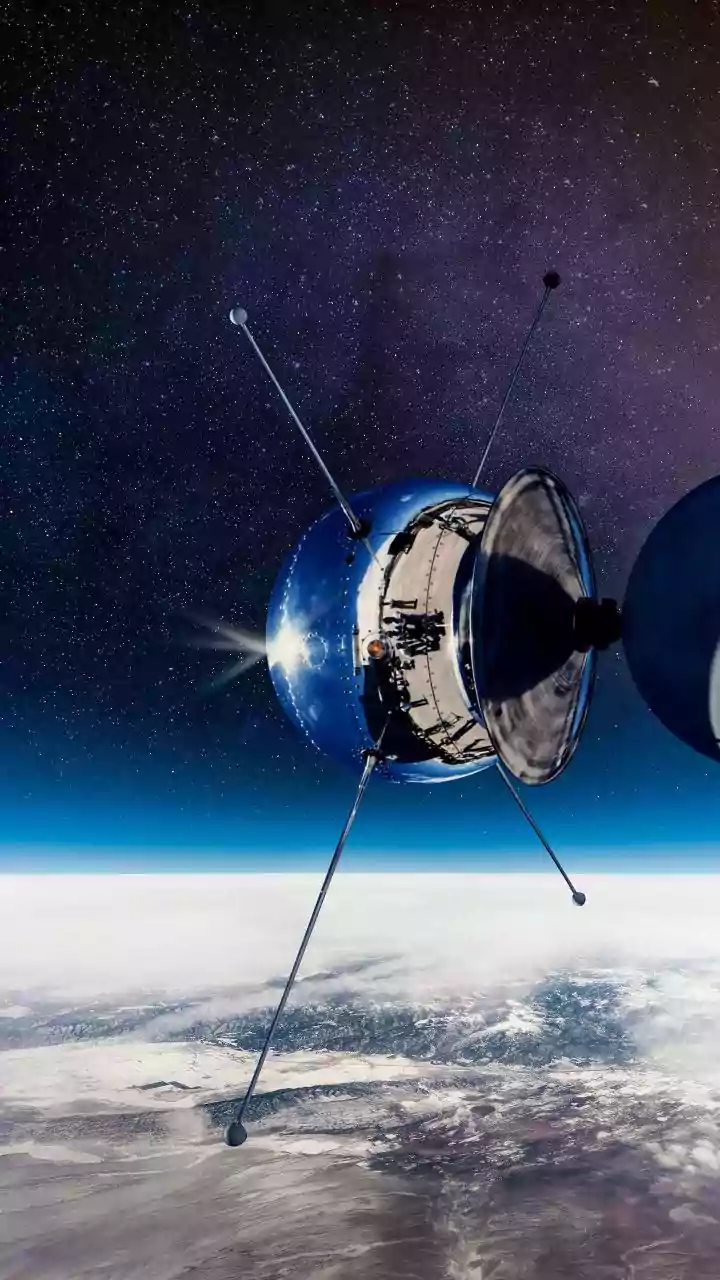
What truly elevates 1998 KY26 from a curiosity to a top-priority target is its role in the Japan Aerospace Exploration Agency (JAXA) Hayabusa2 mission. After its historic success at the much larger asteroid Ryugu, where it collected samples and returned them to Earth in 2020, the Hayabusa2 spacecraft had enough fuel for a new challenge. JAXA initiated an extended mission, sending the probe on a decade-long journey to rendezvous with 1998 KY26, with an expected arrival in July 2031. This will be the first time in history that a spacecraft will visit such a small, fast-spinning asteroid. The new, smaller size and faster rotation make the planned encounter even more challenging, requiring incredible precision to study and potentially touch down on its surface.
Unlocking Solar System Secrets
Studying 1998 KY26 isn't just about technical achievement; it's about fundamental science. Scientists are eager to understand its composition. Is it a solid, monolithic piece of rock, or is it a 'rubble pile' of smaller fragments held together by weak forces? Its rapid rotation pushes the limits of what should be able to hold itself together, providing a natural laboratory for studying asteroid physics. Some research has even explored whether its unusual acceleration could be caused by hidden ice turning to gas, like a 'dark comet', though recent thermal modeling suggests the asteroid is too warm to sustain such ice. By visiting this micro-world, scientists hope to gain insight into the building blocks of the solar system, the nature of boulders seen on larger asteroids like Ryugu, and improve our strategies for planetary defense.