






The 10-Minute Revolution
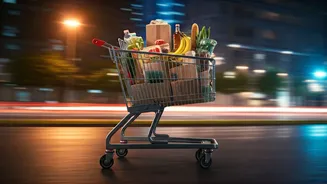
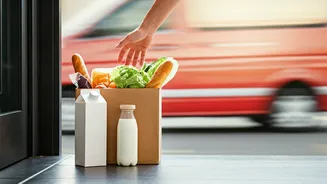
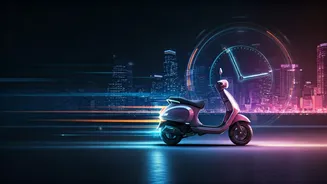
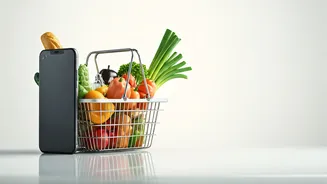
The most dramatic shift has appeared in our grocery habits. The weekly trip to the market is being replaced by the 10-minute delivery promise of quick commerce. Platforms like Blinkit, Zepto, and Swiggy Instamart have transformed a niche service into
a mainstream staple, growing into a market worth over $5 billion. Initially for urgent needs like milk or bread, these apps now deliver everything from fresh vegetables and electronics to beauty products. This boom is fuelled by India's deep smartphone penetration and cheap data, making instant gratification just a tap away. As a result, quick commerce is not just an alternative; for many urban households, it's becoming the default way to shop, with its growth even out-pacing traditional e-commerce.
Dining In, Effort Out
The quest for convenience extends deep into our kitchens. The market for ready-to-eat (RTE) and ready-to-cook (RTC) meals is experiencing explosive growth, driven by busy schedules and dual-income households. While fully cooked RTE meals offer ultimate speed, the ready-to-cook segment has seen a particular surge, with a 58% rise in 2024. This category, which includes everything from dosa batters to pre-marinated meats and curry pastes, strikes a popular balance; it saves time on prep while still allowing for the experience of a freshly made meal at home. This trend reflects a desire for convenience that doesn't completely sacrifice the feeling of home-cooking.
Automating the Everyday
Beyond food, convenience is reshaping the very mechanics of our homes. Smart home devices are no longer science fiction but an increasingly common sight. The market for these gadgets, from smart bulbs and security cameras to robotic vacuum cleaners, is projected to be worth over ₹1,40,000 crore by 2028. The adoption is driven by a desire to automate routine chores and enhance comfort and security. With widespread internet access and the ubiquity of voice assistants like Alexa and Google Assistant, controlling your home environment with a simple voice command or a tap on your phone has become a tangible reality for a growing number of Indian families, especially young and millennial homebuyers.
The Real Cost of a Click
This unparalleled convenience comes with trade-offs. The rise of instant delivery has significant environmental implications, from increased traffic to packaging waste. Financially, while consumers show a willingness to pay more for speed and ease, this shift can contribute to inflationary pressures and increased household spending on services and delivery fees. There's also a social cost, as the convenience economy places immense pressure on a vast network of delivery riders and warehouse workers. Furthermore, while the convenience is undeniable, the reliance on quick commerce is changing the landscape of neighbourhood retail, with many local kirana stores now navigating new competitive pressures.