






The Festive Season Hiring Surge
Every year, as major festivals like Diwali approach, online retailers and logistics companies embark on a massive hiring spree to manage the surge in orders. In 2026, this trend is stronger than ever, with an expected 15-20% growth in temporary and gig
roles compared to the previous year. Companies like Amazon, Flipkart, Blinkit, and Zepto are at the forefront, preparing their supply chains for the rush. This creates a huge demand for workers in warehouses, fulfilment centres, and last-mile delivery, with nearly half of these jobs now emerging in Tier II and Tier III cities like Jaipur, Lucknow, and Coimbatore.
The World of Quick Commerce: Dark Stores
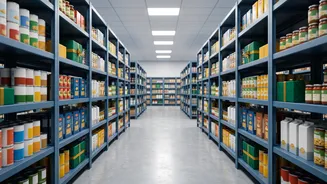
Quick commerce, or 'q-commerce', promises deliveries in under 30 minutes. This is made possible by a network of 'dark stores'—small, neighbourhood-level warehouses that are not open to the public. The work inside is defined by one thing: speed. Roles include pickers who race against a clock to find items, packers who prepare orders, and delivery riders. The environment is fast-paced and high-pressure, with pickers often needing to assemble orders within 120 seconds to avoid penalties. A worker in a Blinkit dark store described how employees are constantly running, not walking, to meet targets.
Pros and Cons of a Dark Store Role
The primary advantage of working in a dark store is often the potential for flexible, gig-based work and incentive-driven earnings, where more deliveries can mean more pay. However, the work is physically demanding and stressful. Reports indicate that basic amenities like toilets or proper rest areas can be lacking in some facilities. The relentless focus on speed also raises safety concerns, particularly for delivery riders who may feel pressured to rush. It's a role best suited for those who can handle high pressure and physical exertion in a constantly-on-the-move environment.
The World of Online Retail: Fulfilment Centres
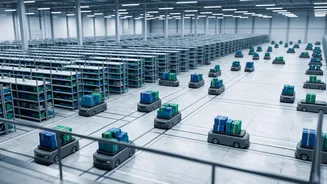
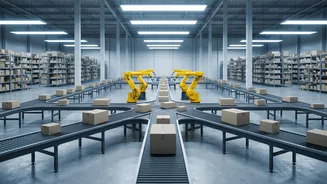
In contrast, traditional online retailers like Amazon and Flipkart operate massive fulfilment centres. These are vast, highly organised warehouses, sometimes spanning over 500,000 square feet, located in industrial areas. The work here is about process and scale rather than immediate speed. Roles are similar—picking, packing, sorting—but the environment is more structured. Workers use handheld scanners and may interact with automated systems like conveyor belts. The pace is steady and methodical, focused on accuracy and efficiency across a massive volume of orders.
Pros and Cons of a Fulfilment Centre Role
Jobs in large, organised warehouses often come with more structure. They are more likely to offer statutory benefits like Provident Fund (PF) and ESI medical insurance, even for seasonal roles. The work, while still physical, tends to be more predictable with defined shifts and breaks. On the downside, the tasks can be highly repetitive, and the sheer scale of the facilities can feel impersonal. Reviews from employees mention a good learning environment but also point to challenges like difficult night shifts and the physical toll of walking long distances within the warehouse.
Pay, Perks, and Pathways
Compensation structures can differ significantly. Quick commerce often relies on a gig model with per-delivery incentives, while large fulfilment centres are more likely to offer a fixed monthly or hourly wage. According to some estimates, the average monthly CTC in the e-commerce and logistics sector is around ₹24,266. Wages for temporary staff are also projected to rise by 12-15% in metro cities this festive season. While both types of jobs are temporary, they can serve as a foot in the door. Many companies look to their best-performing seasonal staff when hiring for permanent positions, offering a potential career path from a floor associate to a supervisor.