





Start With a Strong Contract
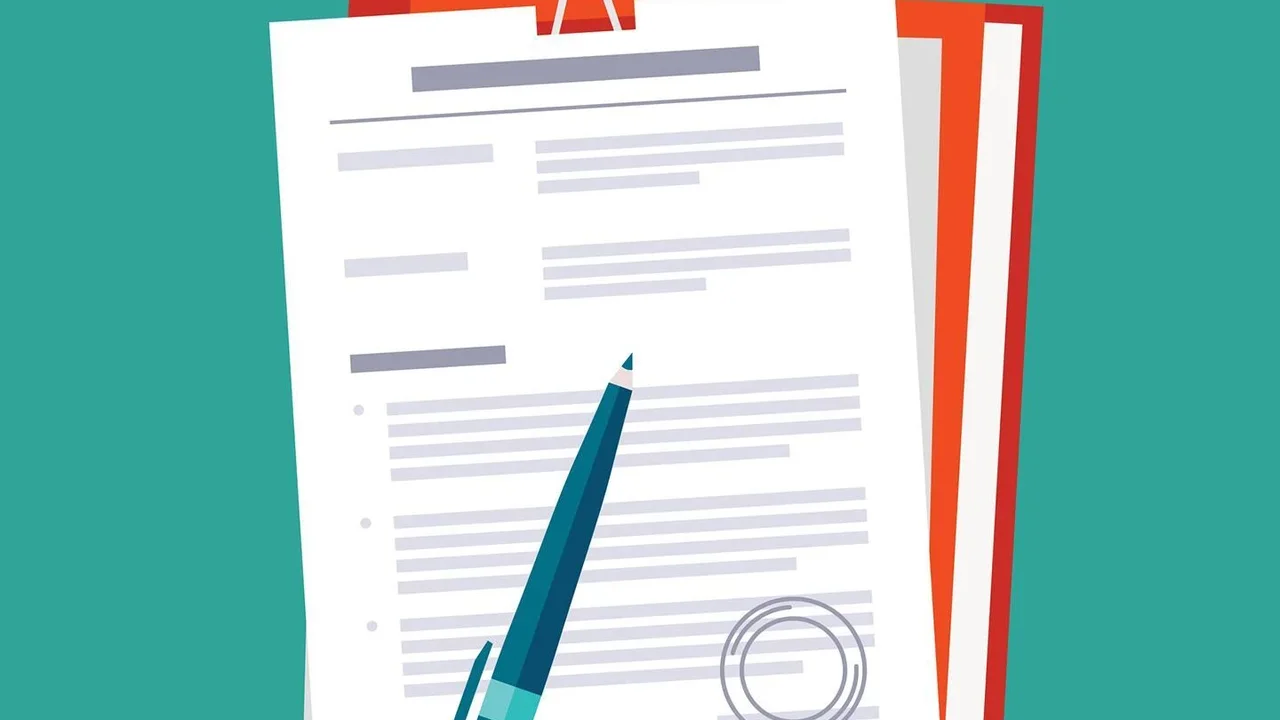
The best way to ensure timely payment is to set clear expectations before you even begin working. A formal agreement isn't just for big projects; it's a professional necessity for all work. Your contract should clearly state the scope of work, project milestones,
and, most importantly, the payment terms. Specify the exact due date for payments (e.g., “Net 15” or within 15 days), not vague terms like “upon completion.” For Indian freelancers, it's also wise to include clauses on who handles TDS and whether your fee is inclusive or exclusive of GST. Crucially, add a clause for late payment fees. A simple line stating that a small percentage will be added to overdue invoices can be a powerful motivator for clients to pay on time.
Invoice Promptly and Professionally
Don't delay sending your invoice. The sooner you send it, the sooner it enters the client's payment cycle. Many freelancers wait days or weeks, which only encourages payment delays. Your invoice should be clear, professional, and easy to understand. Include a unique invoice number, the date, your full contact and bank details, and the client's name. For Indian clients, make sure to add your GSTIN if applicable and use the correct SAC codes for your services. An itemised list of services makes it clear what the client is paying for and reduces the chance of disputes. Double-check all details before sending to avoid giving clients a reason to delay payment due to errors.
Use Invoicing Software
Manually creating invoices in Word or Excel is time-consuming and prone to errors. Modern invoicing software can automate much of this process, saving you time and making you look more professional. Many platforms allow you to create recurring invoices for retainer clients, track when an invoice has been viewed, and even send automatic payment reminders. For Indian freelancers, several tools offer built-in GST compliance, which is a major advantage. Popular options in India include Zoho Books, which is often free for freelancers under a certain turnover, Refrens, and Vyapar. Even free tools like Wave can be a great starting point for new freelancers.
Offer Multiple Payment Options
Make it as easy as possible for your clients to pay you. The fewer hurdles they have to jump, the faster you'll get your money. In India, this means offering a variety of payment methods. Beyond standard NEFT/RTGS bank transfers, include your UPI ID on the invoice. Many invoicing platforms can integrate with payment gateways like Razorpay or Stripe, allowing clients to pay instantly via credit card, debit card, or net banking. While there might be a small transaction fee, the convenience often leads to significantly faster payments, with some data showing most invoices paid via these methods are settled within a day.
Automate Your Follow-Ups
The follow-up process is where most of the awkwardness happens. Automating it removes the emotion and ensures consistency. Most late payments are due to oversight, not bad intentions, so a polite nudge is often all that's needed. If you're using invoicing software, set up automatic email reminders to be sent a few days after an invoice is past due. If you're managing invoices manually, set calendar reminders for yourself. Your first follow-up should be a gentle, polite check-in, assuming they simply missed it. Always re-attach the original invoice to your follow-up email to make it easy for them.
Master the Polite Nudge
When you do need to follow up manually, having templates ready can save you from the stress of drafting the perfect email. Your tone should escalate gradually. The first reminder (around 7 days past due) can be a gentle check-in. The second (around 14-21 days past due) can be firmer, mentioning that the invoice is now overdue and asking for a payment status update. For a 30-day overdue invoice, it’s time to be direct, reference your late fee policy, and ask for immediate attention. Always maintain a professional tone; you want to get paid while preserving the client relationship. Remember, in India, even an agreement over email or WhatsApp can be considered a valid contract, so your right to payment is legally protected.