





The Sunshine Vitamin Paradox
Vitamin D is often called the 'sunshine vitamin' because our bodies naturally produce it when skin is exposed to sunlight. Yet, studies show that 70% to 90% of Indian adults may be deficient. Several factors contribute to this. Modern indoor lifestyles,
concerns about sun exposure leading to increased use of sunscreen, and urban pollution that blocks UVB rays all play a significant role. Furthermore, the higher melanin content in Indian skin, which offers natural sun protection, also means that more sun exposure is needed to produce the same amount of Vitamin D as someone with lighter skin. This widespread deficiency is linked to fatigue, bone pain, a weaker immune system, and an increased risk of osteoporosis.
Natural Food Sources: A Limited Menu
Naturally, very few foods are rich in Vitamin D, which poses a challenge for bridging the nutritional gap through diet alone. For non-vegetarians, the best sources are fatty fish like salmon, mackerel (bangda), and sardines. Hilsa (ilish) is a particularly potent source often found in Indian coastal cuisine. Egg yolks also contain Vitamin D, though in smaller amounts, making them a helpful but insufficient source on their own. For vegetarians, the options are even more limited. Mushrooms, especially those that have been exposed to sunlight, can produce Vitamin D2. Some dairy products like paneer and cheese contain small amounts, but it is generally not enough to meet daily requirements. This scarcity in typical Indian diets is a key reason why deficiency is so rampant.
Enter Fortification: A Modern Solution
To combat this 'hidden hunger', food fortification has emerged as a key public health strategy. Fortification is the process of deliberately adding essential micronutrients, like vitamins and minerals, to staple foods to improve their nutritional content. In India, the Food Safety and Standards Authority of India (FSSAI) has established regulations for fortifying staples such as milk, edible oil, rice, and wheat flour. Fortified foods can be identified by the blue '+F' logo on the packaging, which signifies that the product meets FSSAI standards. This makes it easier for consumers to make informed choices while shopping.
A Closer Look at the Breakfast Bowl
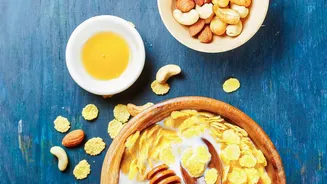
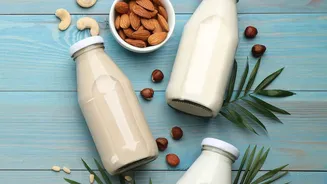
The breakfast table is a key battleground for nutrient intake. Many everyday breakfast products in India are now fortified with Vitamin D. Fortified milk is one of the most accessible sources for vegetarians, with many brands adding Vitamins A and D. Fortified breakfast cereals are also common, offering a convenient way to get a percentage of your daily requirement. However, the amount of Vitamin D can vary significantly between brands, so it's crucial to check the label. Other options include fortified plant-based milks (like soy or almond milk), fortified orange juice, and even fortified yogurts, which can contribute to your daily intake.
How to Read the Label
Understanding a nutrition label is key to making the most of fortified foods. First, look for the '+F' logo to confirm it's a fortified product. Next, check the nutrition information panel. The amount of Vitamin D might be listed in International Units (IU) or micrograms (µg). The Indian Council of Medical Research (ICMR) recommends a daily allowance of 600 IU (15 µg) for adults. The label will often show the '% Daily Value' or '% RDA' per serving. This percentage tells you how much one serving of the product contributes to your total daily need. Remember to check the serving size, as you may consume more or less than what is listed.