

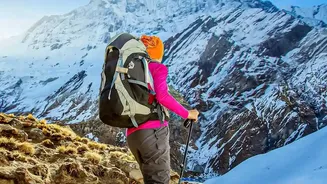
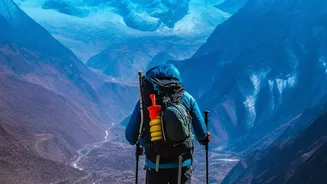
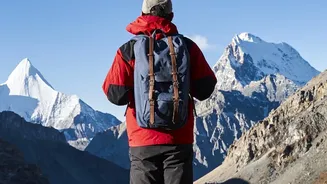
The Dual Challenge: Monsoon and Altitude
Trekking in Uttarakhand during August presents a unique combination of risks. It's the peak of the monsoon, which means trails can be slippery, streams can swell rapidly, and the risk of landslides is at its highest for the year. Recent government advisories
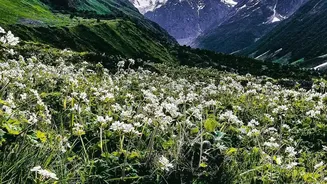
have already put several districts on alert for flash floods and have noted multiple road closures due to weather. Many popular treks like Har Ki Dun and Kuari Pass are not recommended and often closed during this period due to hazardous conditions. For the treks that are accessible, like the Valley of Flowers or Nag Tibba, the weather follows a pattern: clear mornings often give way to heavy afternoon rain. This makes starting your trek early absolutely critical. The goal is to reach your campsite or destination by early afternoon to avoid being caught in a downpour on an exposed trail.
Don't Ignore Acute Mountain Sickness (AMS)
Any trek that takes you above 8,000 feet comes with the risk of Acute Mountain Sickness (AMS), a condition caused by your body's struggle to adapt to lower oxygen levels. Initial symptoms are often mild and can include headache, nausea, dizziness, fatigue, and loss of appetite. It's crucial to recognise these signs as a warning not to ascend any higher. Pushing onward can lead to severe, life-threatening conditions like High Altitude Pulmonary Edema (HAPE), where fluid builds up in the lungs, or High Altitude Cerebral Edema (HACE), which involves swelling of the brain. The key to prevention is gradual acclimatisation. Plan your itinerary so you don't sleep more than 1,000 to 1,500 feet higher than the previous night. Staying well-hydrated by drinking several litres of water a day is also non-negotiable, as dehydration can mimic and worsen AMS symptoms.
Your Monsoon Trekking Gear Checklist
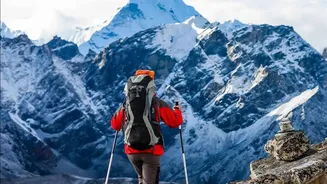
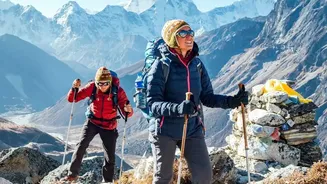
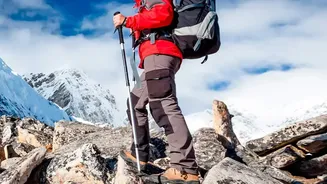
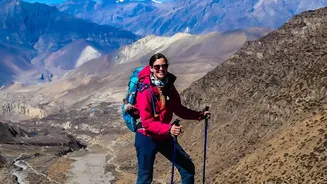
Packing for a monsoon trek isn't about bringing more; it's about bringing the right things. Cotton is your enemy—it absorbs moisture and stays wet, making you cold. Your kit should prioritize three things: staying dry, staying warm, and staying stable on your feet. Footwear: A pair of waterproof trekking shoes with a deep, aggressive grip is the most important item you will pack. Rain Protection: A full-length poncho is often better than a jacket, as it covers both you and your backpack, keeping your essential gear dry. A separate rain cover for your backpack is also essential. Clothing: Opt for quick-dry synthetic layers that wick moisture away from your skin. Pack at least one warm fleece or thermal layer, as temperatures can drop significantly after rainfall, even in August. Safety Essentials: Trekking poles are a must-have for maintaining balance on slippery, muddy trails. Pack a basic first-aid kit, a headlamp, and a power bank. Waterproof dry sacks are invaluable for protecting electronics and a spare set of clothes.
Smart Planning Before You Leave Home
Your safety preparations begin long before you reach the trailhead. First, choose your trek wisely. Stick to trails known to be relatively safe during the monsoon, such as the Valley of Flowers, Deoriatal, or Chopta-Tungnath. Avoid high-risk routes that are prone to landslides. Always check the latest weather forecasts and road conditions before you travel, as routes can be blocked. Hiring a registered, experienced local guide is highly recommended; they understand the local weather patterns and know which trails are safe after recent rainfall. Finally, always inform a reliable contact back home of your detailed itinerary, including your intended route and expected return date. This is a simple step that can be crucial in an emergency.